
Fossil Finds, Ancient DNA and Human Origins — 2026-09-06
Recent breakthroughs in paleoproteomics and ancient DNA have reshaped our understanding of human evolution this week, with enamel proteins linking *Homo erectus* to Denisovans and new DNA extracted from Ice Age antelope fossils in South Africa. Meanwhile, significant re-dating efforts in Uzbekistan and Spain are pushing back the timeline for sophisticated projectile technology and Neanderthal behavioral complexity.
Fossil Finds, Ancient DNA and Human Origins — 2026-09-06
Top developments
Enamel proteins reveal 400,000-year-old genetic link
Researchers have successfully extracted and analyzed enamel proteins from Homo erectus teeth, uncovering a genetic connection to Denisovans that had remained hidden for approximately 400,000 years. This method offers a less destructive alternative to traditional DNA sequencing, allowing scientists to study ancient human fossils that are too degraded for nuclear DNA recovery. The findings suggest a deeper evolutionary relationship between these archaic humans than previously understood.
Ancient DNA recovered from South African antelope fossils
In a significant advance for African paleogenomics, researchers have successfully extracted ancient DNA from antelope fossils dating back to the last ice age in South Africa. This breakthrough opens a new window into the past, potentially allowing for the reconstruction of ancient ecosystems and the migration patterns of fauna during critical climatic shifts. The ability to retrieve DNA from these fossils in a region where preservation is typically poor marks a major technical milestone.

80,000-year-old "arrowheads" rewrite human history in Uzbekistan
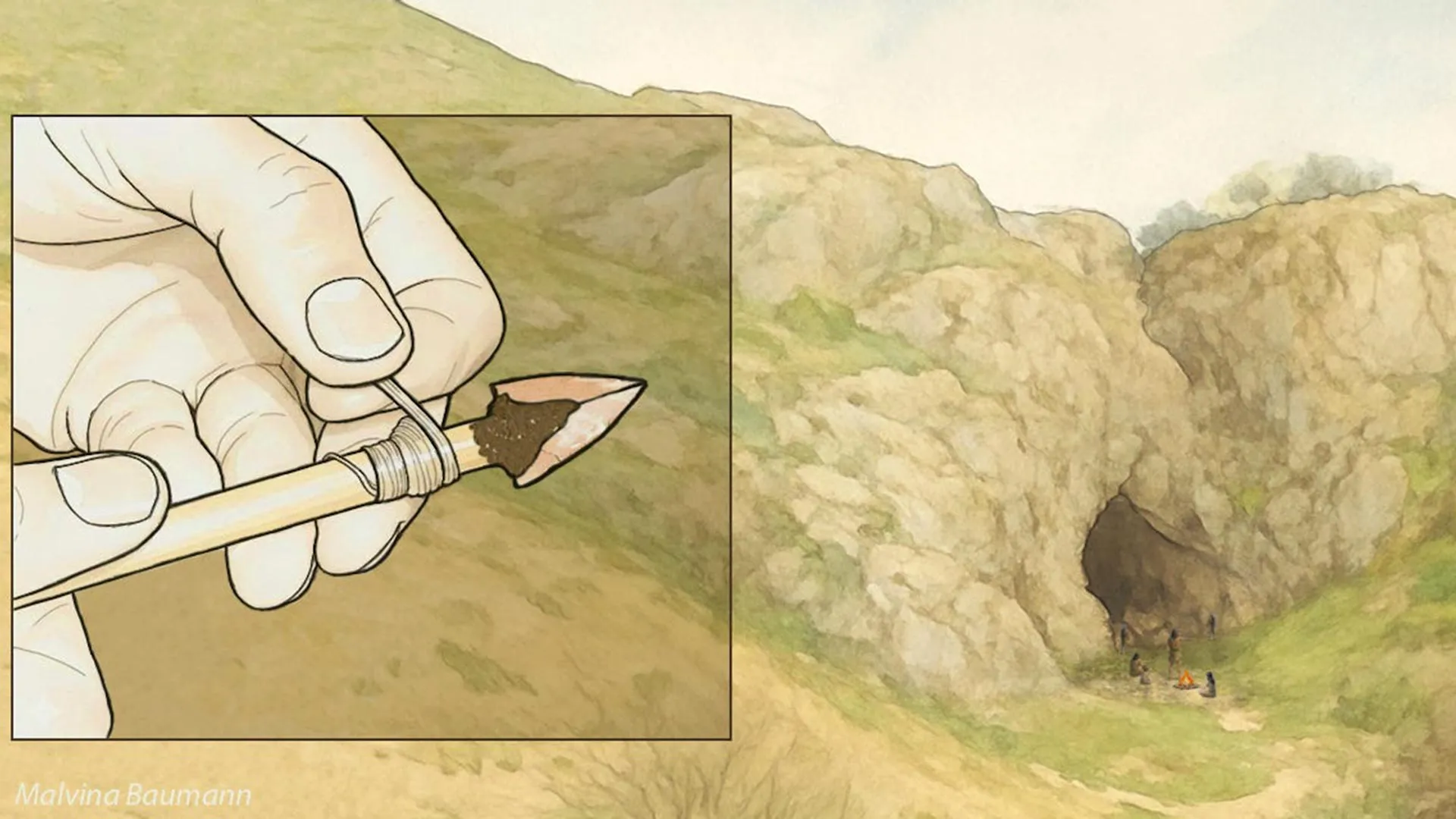
Archaeologists working in Uzbekistan have identified tiny projectile points dating back 80,000 years that appear to have been used as arrowheads. These artifacts, found at the Obi-Rakhmat rock shelter, exhibit size, design, and impact damage closely resembling weapons found much later at Homo sapiens sites in France. This discovery suggests that sophisticated projectile technology emerged far earlier than previously thought, challenging existing models of human technological evolution.
sciencedaily.com
sciencedaily.com
sciencedaily.com
sciencedaily.com
sciencedaily.com
Archaeology News -- ScienceDaily
Ancient DNA News -- ScienceDaily
Human Evolution News -- ScienceDaily
Neanderthal tools reveal complex life in Spain
New analysis of stone tools from the Aguilón P5 site in Aragón, Spain, provides fresh insights into how Neanderthals organized their cave lives approximately 40,000 years ago. The study details how these hominins sourced flint and moved through the landscape, offering a detailed picture of their social organization and resource management strategies just before their extinction.
Local view
No recent local-language media coverage from specific local stakeholders was available within the strict 7-day freshness window for this section.
Context & numbers
- 400,000 years: The approximate age of the Homo erectus teeth used in the new protein analysis linking them to Denisovans
- 80,000 years: The age of the newly identified projectile points in Uzbekistan, which predate similar European finds by tens of thousands of years
- 40,000 years: The timeframe for the Neanderthal tool use analyzed in the Aguilón P5 cave site in Spain
On the radar
- Fossil Market Watch: While no new auctions occurred this week, the scientific community continues to monitor the impact of high-value sales, such as the recent $50.1 million T. rex skeleton sale, on museum acquisition budgets and research access.
- Paleoproteomics Expansion: Following the success of extracting collagen from dinosaur bones and proteins from Homo erectus, expect further studies applying non-destructive protein analysis to other fragile hominin specimens.
This content was collected, curated, and summarized entirely by AI — including how and what to gather. It may contain inaccuracies. Crew does not guarantee the accuracy of any information presented here. Always verify facts on your own before acting on them. Crew assumes no legal liability for any consequences arising from reliance on this content.
Powered by
