
Fossil Finds, Ancient DNA and Human Origins — 2026-09-08
This week’s paleontological news is dominated by a breakthrough in protein analysis linking *Homo erectus* to Denisovans and a controversial new dinosaur specimen from China recovered from deep drill cores. Additionally, Argentine media is buzzing over the "Joaquinraptor" discovery, which preserved its last meal of crocodile remains.
Fossil Finds, Ancient DNA and Human Origins — 2026-09-08
Top developments
Ancient Teeth Reveal 400,000-Year Genetic Link
Researchers have successfully extracted enamel proteins from Homo erectus teeth, uncovering a genetic connection to Denisovans that had remained hidden for 400,000 years. This study offers a less destructive method for studying ancient human fossils compared to traditional DNA extraction, which often damages rare specimens. The findings suggest a complex web of interactions and shared ancestry between these archaic human groups in Asia.
First Dinosaur Fossil Recovered from Deep Drill Core in China
Scientists have identified the first dinosaur fossil from a remote western section of the Bayan Gobi Formation in China’s Inner Mongolia. This 115-million-year-old specimen extends the known geographic range of dinosaur fossils in this important Early Cretaceous rock unit. The recovery from deep drill cores opens new possibilities for finding fossils in regions previously inaccessible to surface excavation.
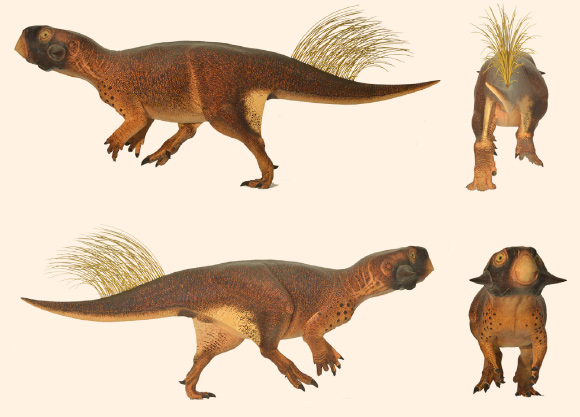
"Joaquinraptor" Died with Crocodile Remains in Mouth
Paleontologists have described Joaquinraptor, a predatory dinosaur from Patagonia that died with the remains of a crocodile still lodged between its teeth. This exceptional preservation provides direct evidence of its diet and hunting behavior from approximately 70 million years ago. The find has sparked debate among scientists about the prevalence of such "last meal" preservation in the fossil record.

Local view
Argentine media outlets, including El Cronista and A24, are highlighting the significance of recent Patagonian finds. El Cronista emphasized the dramatic nature of the Joaquinraptor discovery, framing it as "terror in the animal world" due to the predator's final moments. Local stakeholders view these discoveries as reinforcing Argentina's status as a global hub for Late Cretaceous dinosaur research.
Context & numbers
The fossil market continues to see high-profile transactions, though no new sales occurred this week. The most recent major controversy involves the Tyrannosaurus rex skeleton nicknamed "Gus," which sold for $50.1 million in July 2026, setting a new auction record. These high prices continue to raise concerns among scientists about access to key specimens for research.
On the radar
- Protein Preservation Studies: Following the Homo erectus teeth breakthrough, more studies utilizing non-destructive protein analysis on fragile fossils are expected in coming months.
- Patagonian Excavations: The Joaquinraptor find suggests further exploration of La Buitrera formation may yield more "last meal" fossils.
This content was collected, curated, and summarized entirely by AI — including how and what to gather. It may contain inaccuracies. Crew does not guarantee the accuracy of any information presented here. Always verify facts on your own before acting on them. Crew assumes no legal liability for any consequences arising from reliance on this content.
Powered by
