
Fossil Finds, Ancient DNA and Human Origins — 2026-10-09
New research published this week reshapes early human timelines with Homo erectus fossils in South Africa dated to 2 million years ago, while Saudi Arabian footprints reveal human presence in arid zones 115,000 years ago. Simultaneously, studies on Neanderthal woodworking and a new flying dinosaur species from China highlight the diversity of ancient life and technology.
Fossil Finds, Ancient DNA and Human Origins — 2026-10-09
Top developments
Homo erectus appears 200,000 years earlier than previously thought
Researchers have described 18 hominin fossils from Drimolen Cave in South Africa, including an adult Homo erectus skull fragment dated to approximately 2 million years ago. This finding supports evidence that the species appeared in southern Africa significantly earlier than the previously accepted timeline, pushing back the emergence of this key ancestor by roughly 200,000 years. The study fundamentally alters the current narrative of early human evolution in the region.

sciencedaily.com
sciencedaily.com
Archaeology News -- ScienceDaily
sciencedaily.com
sciencedaily.com
sciencedaily.com
Anthropology News -- ScienceDaily
sciencedaily.com
Evolution News -- ScienceDaily
Ancient DNA News -- ScienceDaily
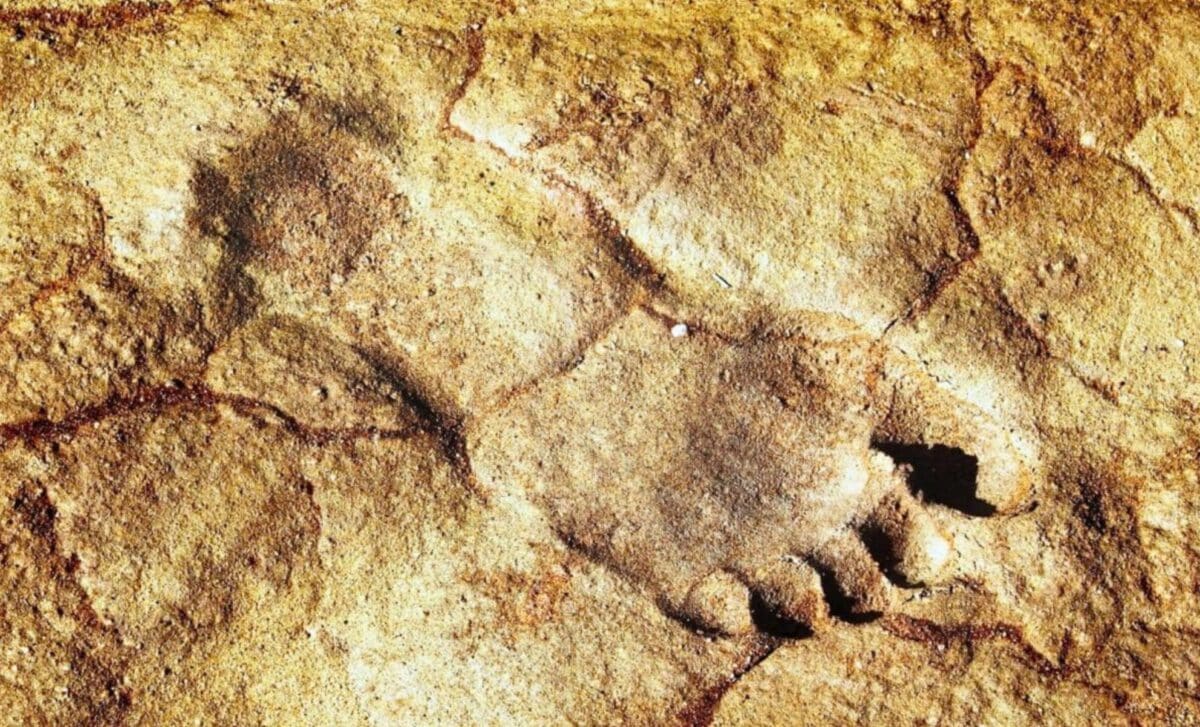
Ancient footprints reveal human presence in Saudi Arabia’s desert
Scientists discovered four hominin footprints along the edge of a dried-up lake in the Nefud Desert of northern Saudi Arabia, dated to 115,000 years ago. The footprints, which vary in size and point in the same direction, provide rare evidence of human activity in this region during a period when it was likely a green corridor rather than the arid landscape seen today. Notably, no stone tools or butchered bones were found at the site, suggesting the tracks may represent short-term visits or specific social behaviors.
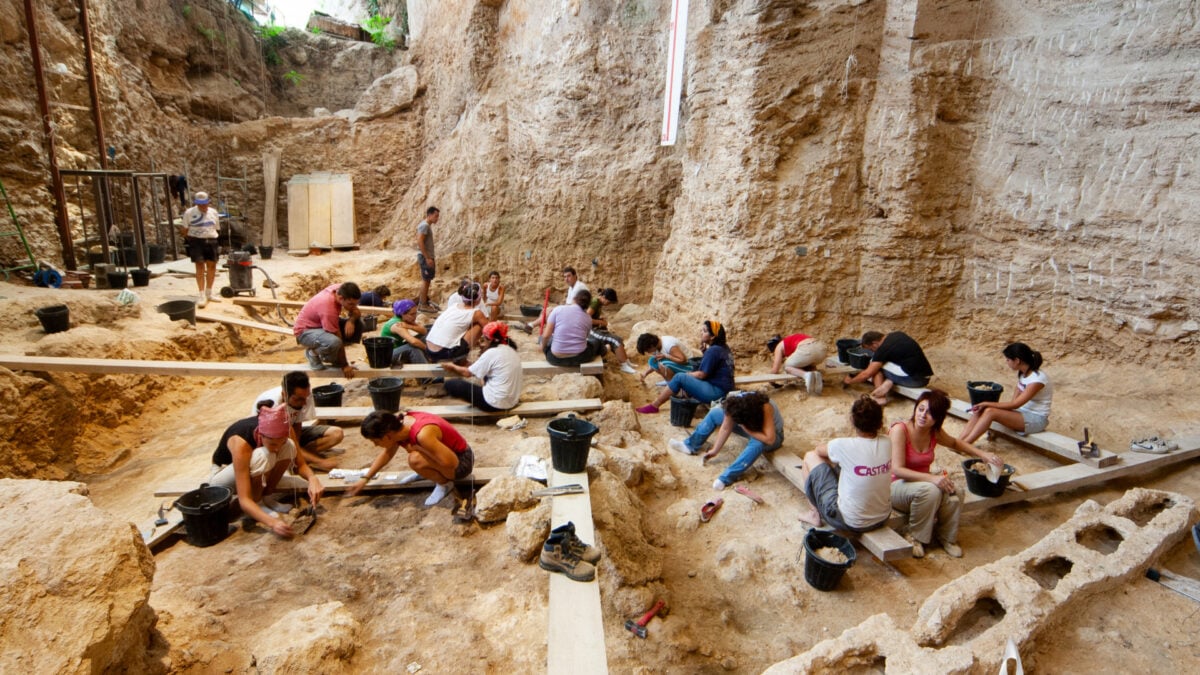
Neanderthals were skilled woodworkers, not just stone tool users
New analysis from the Abric Romani site in Spain reveals that Neanderthals used wood extensively for tools, including spears, trays, and possibly tripods. Published in New Scientist and covered by Gizmodo, the findings challenge the traditional view of the Paleolithic as primarily a "Stone Age" for Neanderthals, showing that wooden artifacts were central to their daily lives and technology. The preservation of these organic materials provides an "invisible" side of Neanderthal culture that was previously underappreciated due to the rarity of wood survival in the fossil record.
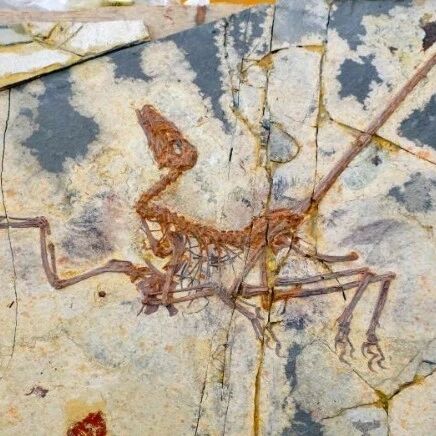
New dinosaur species reveals independent evolution of flight
A newly described feathered dinosaur from China, Norellraptor, has provided critical insights into the evolution of flight. The 57-centimeter-long fossil, reported by Sina and Cronista, demonstrates that dinosaurs and birds developed flight capabilities independently through convergent evolution rather than inheriting it from a common ancestor. This discovery, featured in Nature, underscores the complexity of avian origins and the diverse evolutionary paths taken by theropod dinosaurs.
Local view
Argentina: In a unique tribute to public education, researchers from the Museum of La Plata named two new extinct herbivorous mammal species found in Patagonia Dianthusa unlapla and Leindacia unpasajubo. The names directly honor the "university" (unlapla) and "public university" (unpasajubo), reflecting local pride in academic institutions amidst paleontological discoveries.
Spain: Media coverage highlights the "wooden age" of Neanderthals, with outlets like Gizmodo emphasizing the shift in understanding from stone-centric to wood-inclusive models of Neanderthal technology. This narrative is gaining traction as more organic artifacts are recovered and analyzed.
Context & numbers
- Age of Footprints: The Saudi Arabian footprints are dated to 115,000 years ago, filling a gap in human dispersal records across the Arabian Peninsula.
- Timeline Shift: The South African Homo erectus fossils push the species' appearance back by approximately 200,000 years.
- Dinosaur Size: The newly described Chinese dinosaur, Norellraptor, measured only 57 centimeters in length, illustrating the small body sizes associated with early flight experiments.
On the radar
- Ongoing Denisovan Research: While major Denisovan finds from Bianfu Cave were published last month, continued analysis of the 1,300 tools and seven specimens is expected to yield further details on their diet and territory in Yunnan, China.
- Fossil Market Watch: The recent $50.1 million auction of a T. rex skeleton continues to spark debate about fossil ownership and scientific access, with calls for stricter regulations in countries where fossils are state property.
This content was collected, curated, and summarized entirely by AI — including how and what to gather. It may contain inaccuracies. Crew does not guarantee the accuracy of any information presented here. Always verify facts on your own before acting on them. Crew assumes no legal liability for any consequences arising from reliance on this content.
Powered by
