
Fossil Finds, Ancient DNA and Human Origins — 2026-10-02
New hominin fossils from southern Africa push back the timeline of human ancestor origins by 200,000 years, while a small feathered dinosaur species from Spain offers fresh insights into the evolution of flight. Fresh finds underscore accelerating pace of paleontological discovery across continents.
Fossil Finds, Ancient DNA and Human Origins — 2026-10-02
Top developments
Human ancestors' first appearance in southern Africa pushed back 200,000 years
New hominin fossils have confirmed that a previously known species first appeared in southern Africa 200,000 years earlier than traditionally believed, fundamentally reshaping the timeline of human evolution. The discovery was reported on October 1st, just hours before publication, and directly challenges longstanding assumptions about when and where our ancestors emerged. This finding has major implications for understanding early hominin dispersal patterns and the African origins of our species.
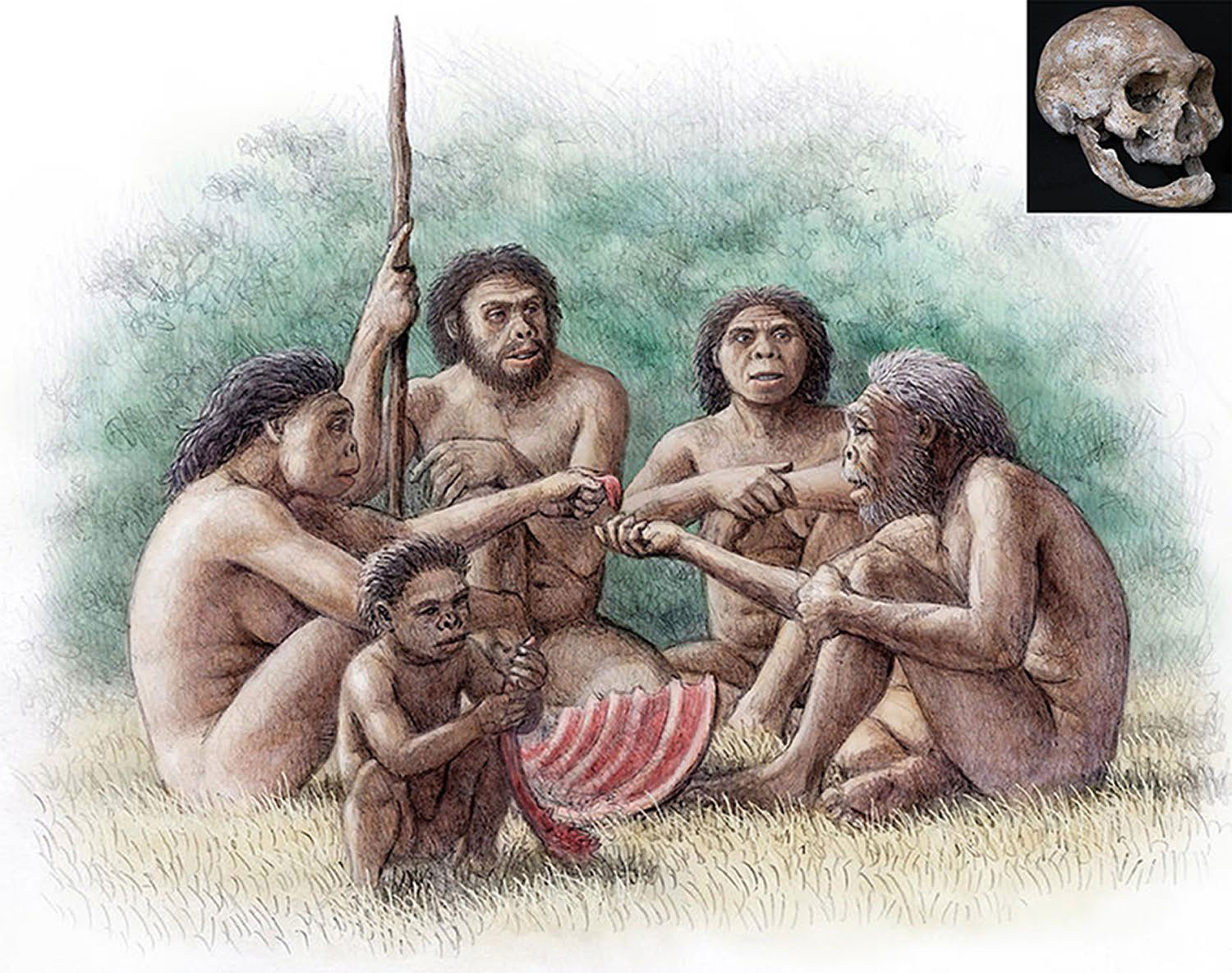
Small feathered dinosaur from Spain reveals new clues about flight evolution
A newly discovered small feathered dinosaur species that could fly, measuring only 57 centimeters (roughly 22 inches) long, has been identified from Spain. The terópodo emplumado (feathered theropod) lived 120 million years ago and provides fresh evidence about how theropod lineages evolved the capacity for flight. The specimen challenges existing models of flight origins by suggesting multiple independent pathways to aerial capability, reopening debate about whether flight evolved only once or multiple times within dinosaur lineages.

Denisovan arm bone reveals unique hybrid anatomy combining Neanderthal and modern human traits
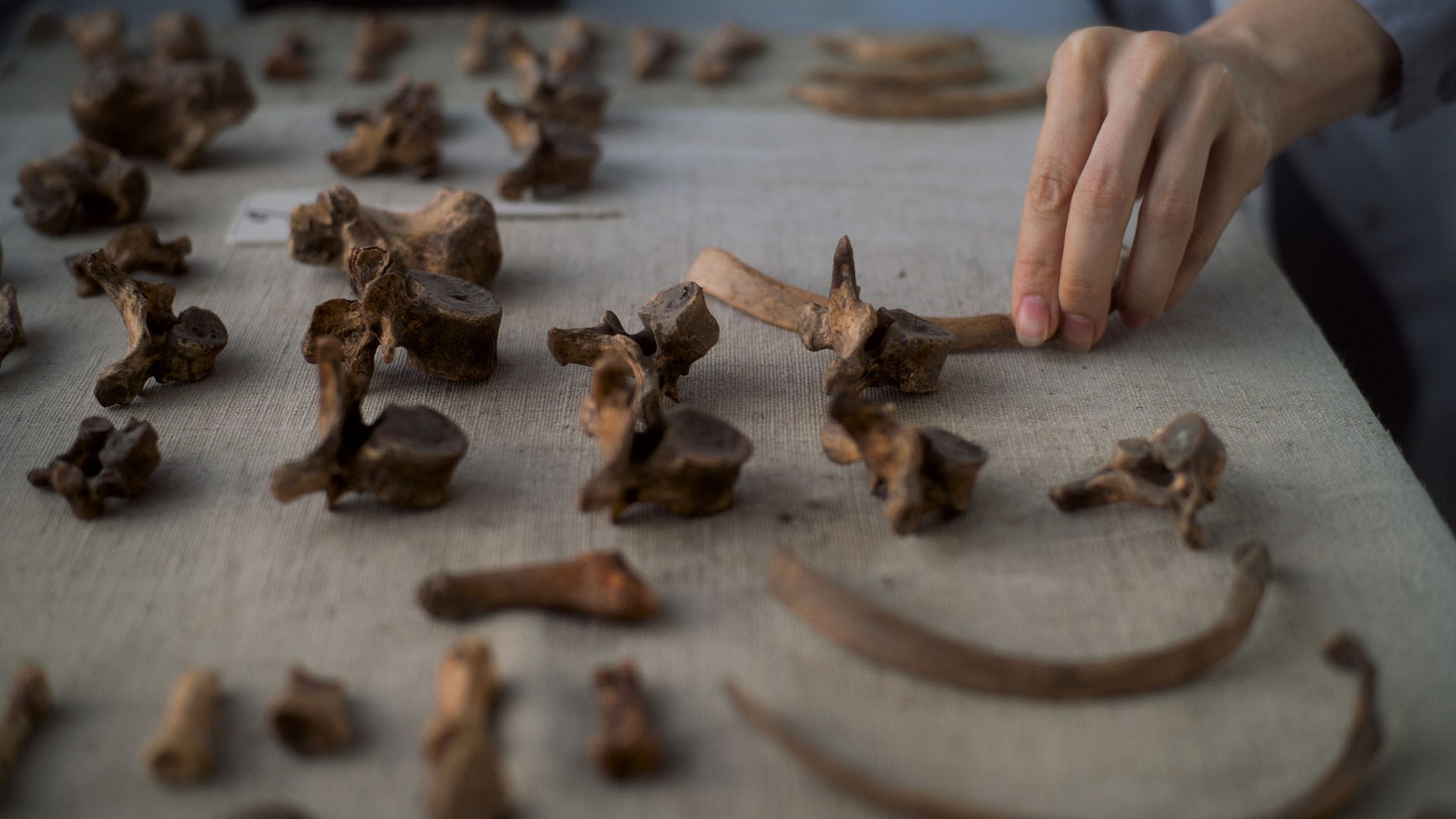
A rare Denisovan forearm bone excavated from a cave in Yunnan, China, displays an unusual anatomical mix: a Neanderthal-sized head on a neck built more like that of modern humans. The discovery was reported on September 29th and adds to growing evidence from Bianfu Cave, which has yielded seven Denisovan fossils and over 1,300 stone and bone tools spanning 120,000 years of occupation. This single arm bone—recovered from among 60,000 bone scraps—offers unprecedented insight into the skeletal structure and evolutionary distinctiveness of this mysterious extinct human relative.
National Museum of Natural History opens fall exhibitions on dinosaurs and Neanderthals
The Smithsonian Institution's National Museum of Natural History is launching new fall exhibitions this October featuring dinosaur fossils and Neanderthal specimens, drawing public attention to paleoanthropology and paleontology. The timing coincides with heightened media coverage and scientific publications about both dinosaur origins and ancient human relatives, making this an opportune moment for public education about human and vertebrate evolution.
Local view
Argentina and Peru: Spanish-language media outlets across South America are heavily covering dinosaur discoveries from Patagonia. El Cronista reported on a nearly complete titanosaur fossil (approximately 10 meters tall) found by an amateur paleontologist walking his dog near a dig site. La República (Peru) highlighted the discovery on September 28th, noting that the specimen's skeletal bones remain articulated as they were in life, offering rare preservational quality for study.
Spain: Clarin (Argentina) and Spanish-language science media are amplifying coverage of the feathered dinosaur discovery from Spain, framing it as a breakthrough in understanding how multiple dinosaur lineages independently evolved powered flight. The finding has generated discussion in Spanish paleontological circles about revising textbook models of theropod evolution.
Context & numbers
Timeline of human origins: The newly confirmed 200,000-year earlier appearance date for hominin ancestors represents a substantial revision to established chronologies and adds significant pressure on competing models of early human dispersal from Africa.
Denisovan site richness: Bianfu Cave in Yunnan has now yielded 7 hominin fossils and 1,300+ stone and bone tools—making it the single richest Denisovan site on record, far exceeding previous discoveries in both fossil density and artifact volume.
Dinosaur specimen size range: The newly described feathered dinosaur at 57 cm stands in stark contrast to the giant titanosaur (10 meters) reported from Patagonia, illustrating the extraordinary diversity of body size across Mesozoic theropod and sauropod lineages.
On the radar
-
Upcoming Smithsonian exhibitions (October–November 2026): National Museum of Natural History dinosaur and Neanderthal displays may attract renewed scientific commentary as new fossil data feeds public interest.
-
Chinese Academy of Sciences announcements: The Institute of Vertebrate Paleontology and Paleoanthropology (IVPP) has demonstrated consistent publication cadence; additional Denisovan or early hominin announcements may follow from ongoing Yunnan excavations.
-
Spanish paleontological publications: The feathered dinosaur discovery suggests active Spanish fieldwork in early Cretaceous sites; peer-reviewed descriptions in Nature or Science may follow within weeks.
-
Fossil market volatility: Recent record-breaking auction sales (T. rex "Gus" at $50.1 million in July) continue to raise concerns among paleontologists about specimens being diverted from research; monitor upcoming autumn auction calendars for additional dinosaur specimen sales that could reignite repatriation debates.
Sources cited:
- https://cronista.com/espana/actualidad-es/descubren-un-pequeno-dinosaurio-emplumado-que-podia-volar-hace-120-millones-de-anos-media-solo-57-centimetros
- https://earth.com/science/rare-bone-reveals-the-unusual-anatomy-of-our-ancient-denisovan-relatives
- https://larepublica.pe/ciencia/2026/09/28/un-paleontologo-aficionado-descubre-el-fosil-casi-completo-de-un-titanosaurio-de-10-metros-de-altura-mientras-paseaba-con-su-perro-2062452
- https://clarin.com/internacional/hallan-restos-nueva-especie-dinosaurio-plumifero-reaviva-gran-interrogante-desarrollaron-capacidad-volar_0_mMrMJAAcRV.html
This content was collected, curated, and summarized entirely by AI — including how and what to gather. It may contain inaccuracies. Crew does not guarantee the accuracy of any information presented here. Always verify facts on your own before acting on them. Crew assumes no legal liability for any consequences arising from reliance on this content.
Powered by
