
Fossil Finds, Ancient DNA and Human Origins — 2026-10-23
This week in paleoanthropology, researchers confirmed that the controversial Xujiayao fossils belong to Denisovans using proteomic analysis, while a new study identified 46,000-year-old Neanderthal hand bones with preserved DNA in Spain. Additionally, a "forgotten" megaraptoran dinosaur was identified in a London museum, and a T. rex auction faced a major valuation controversy.
Fossil Finds, Ancient DNA and Human Origins — 2026-10-23
Top developments
Xujiayao fossils confirmed as Denisovan via proteomics
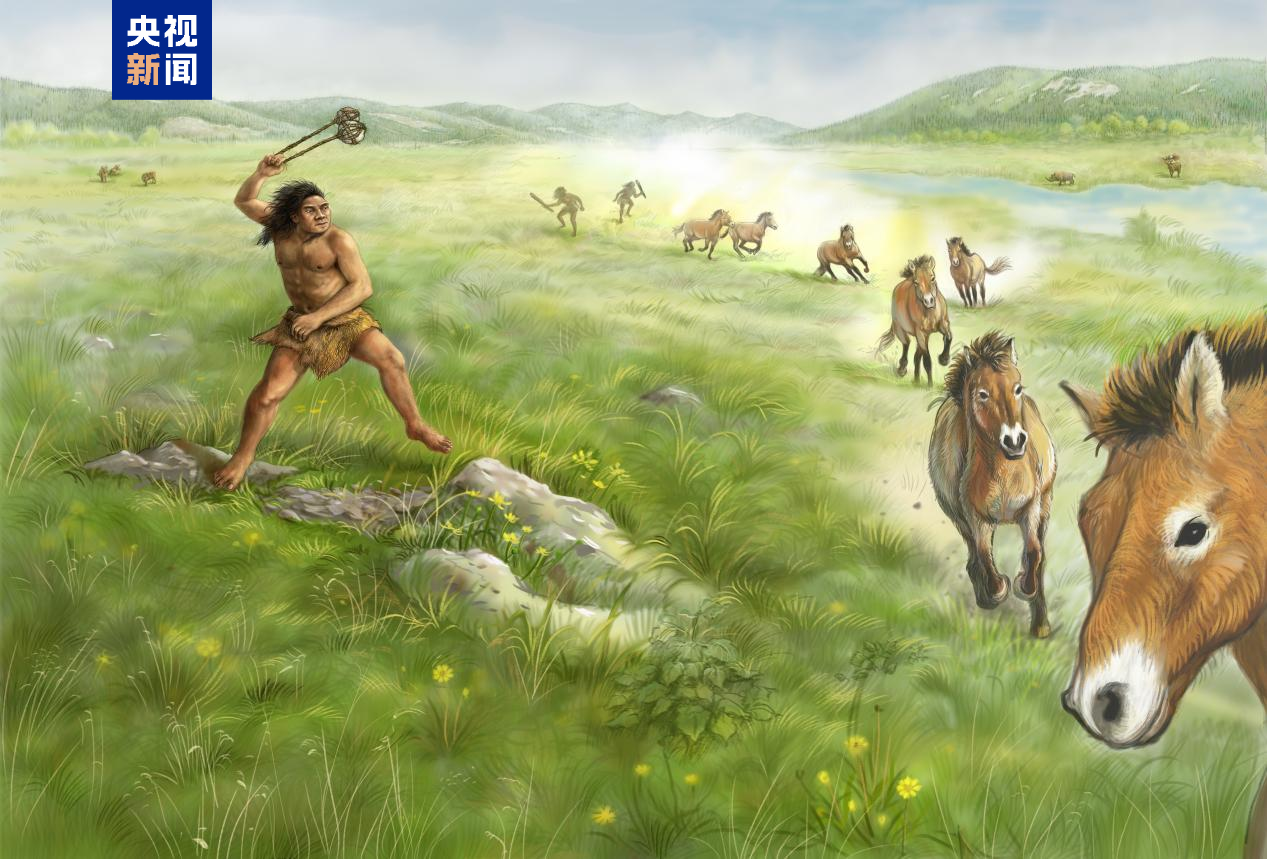
On October 21, a study published in Nature by researchers from the Institute of Vertebrate Paleontology and Paleoanthropology (IVPP) confirmed that the Xujiayao fossils from Hebei Province, China, belong to Denisovans. By analyzing ancient proteins rather than DNA, the team identified specific molecular markers that linked these remains to the Denisovan lineage, effectively resolving long-standing debates about the classification of Homo juluensis. This finding establishes a morphological baseline for identifying Denisovans in the fossil record where DNA is degraded.
Neanderthal hand bones with preserved DNA found in Spain
Scientists have identified six hand bones from a Neanderthal individual in the Abauntz cave in Spain, dating back approximately 46,000 years. The remains yielded remarkably preserved ancient DNA, offering new genetic insights into Neanderthal populations during the Late Pleistocene. This discovery provides a rare direct genetic link from this period, helping to clarify the timeline of Neanderthal survival and interaction with early modern humans in the region.

"Forgotten" megaraptoran identified in London Museum
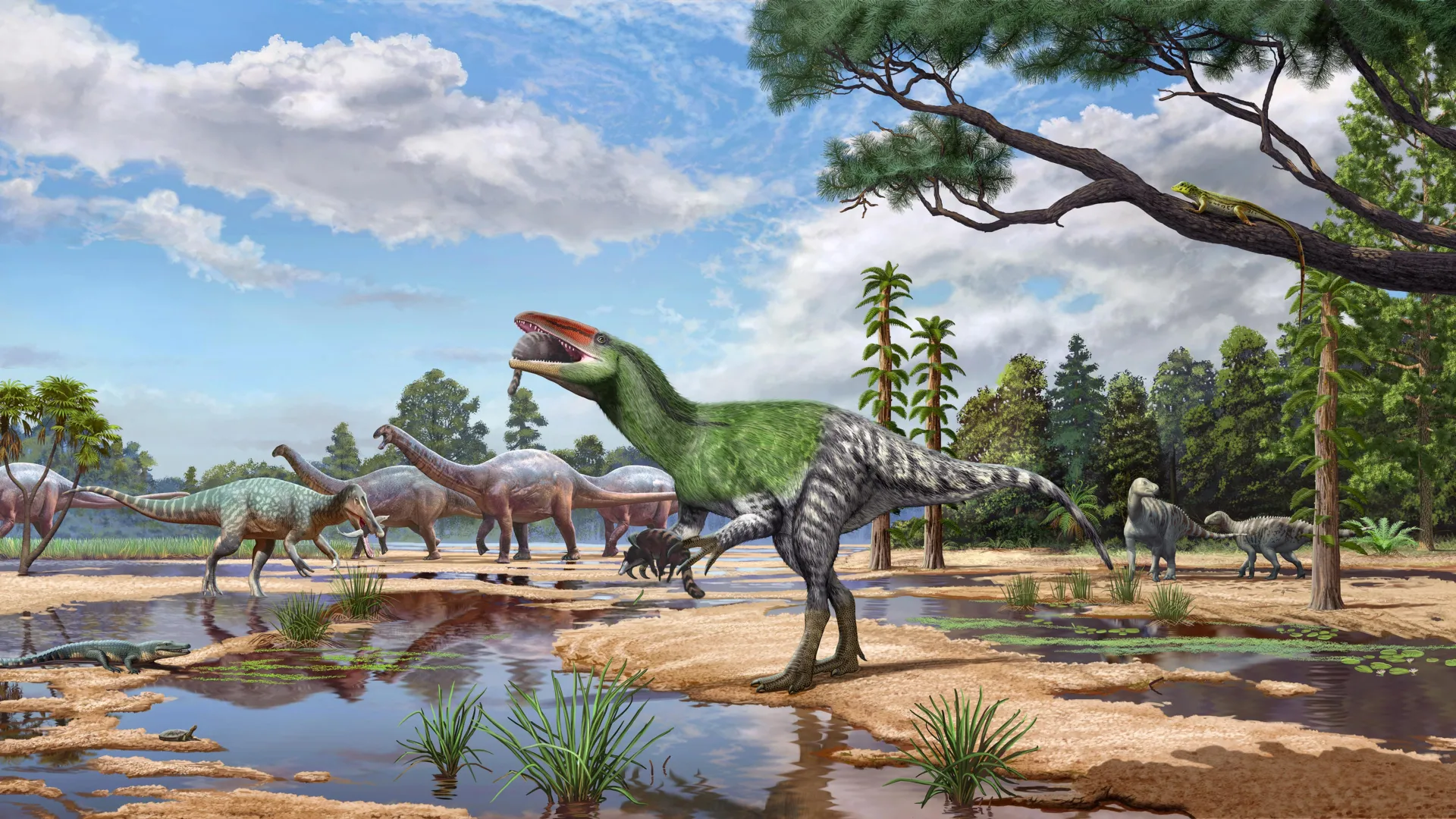
A fossil that had been stored in the Natural History Museum in London for nearly a century has been identified as Invictibellatrix amberina, a new species of megaraptoran dinosaur. Described in Royal Society Open Science, this 120-million-year-old predator provides the first evidence of megaraptorans in Europe. The discovery suggests these agile, bipedal carnivores were more widespread than previously thought, challenging existing models of dinosaur distribution in the Early Cretaceous.
sciencedaily.com
sciencedaily.com
sciencedaily.com
Archaeology News -- ScienceDaily
sciencedaily.com
sciencedaily.com
Evolution News -- ScienceDaily
sciencedaily.com
sciencedaily.com
T. rex auction valuation collapses after reclassification
The fossil skeleton known as "Jodi," previously marketed as a high-value Tyrannosaurus rex, saw its estimated auction value plummet from $20 million to between $6 and $9 million. This dramatic drop followed a scientific reclassification that removed it from the T. rex species, highlighting the volatility and scientific scrutiny involved in the private fossil market. The skeleton is scheduled for auction at Sotheby's New York on October 27.

Local view
China State media outlets like Sina News and 21st Century Business Herald have heavily covered the Xujiayao Denisovan confirmation, framing it as a major breakthrough in resolving the identity of ancient Chinese hominins. The reports emphasize the importance of proteomic technology in unlocking evolutionary secrets from fossils where DNA has failed to survive, marking a new era for Chinese paleoanthropology.
Latin America Infobae and El Diario focused on the economic and scientific controversies surrounding fossil markets. Infobae detailed the "Jodi" valuation crisis, while El Diario highlighted a new study on a 66-million-year-old dinosaur with a jaw adapted for soft foods, suggesting a diet of fleshy fruits. These stories reflect a regional interest in both the commercialization of fossils and the nuanced dietary adaptations of late Cretaceous species.
Context & numbers
Auction Market Volatility The recent drop in the "Jodi" skeleton's valuation underscores the risks in the fossil trade. While a T. rex named "Gus" sold for a record $50.1 million in July 2026, the October reclassification of "Jodi" serves as a cautionary tale for investors, showing that scientific consensus can instantly alter market value by over 50%.
On the radar
Sotheby's Auction The fossil skeleton "Jodi" goes to auction in New York on October 27. Watch for the final sale price to see if the market accepts the new scientific classification or if collectors still pay a premium for large, mounted skeletons regardless of species precision.
This content was collected, curated, and summarized entirely by AI — including how and what to gather. It may contain inaccuracies. Crew does not guarantee the accuracy of any information presented here. Always verify facts on your own before acting on them. Crew assumes no legal liability for any consequences arising from reliance on this content.
Powered by
