
Fossil Finds, Ancient DNA and Human Origins — 2026-10-25
This week’s paleoanthropology news is dominated by a landmark *Nature* study confirming that the enigmatic Xujiayao fossils from China are Denisovan, finally solving a decades-long identification mystery. In parallel, a bizarre 150-million-year-old flightless bird fossil from China challenges assumptions about avian evolution, while new dinosaur footprints in Thailand highlight ongoing global discoveries.
Fossil Finds, Ancient DNA and Human Origins — 2026-10-25
Top developments
Xujiayao fossils confirmed as Denisovan in Nature breakthrough
Researchers from the Institute of Vertebrate Paleontology and Paleoanthropology (IVPP) have confirmed that the Xujiayao fossil assemblage from Hebei Province belongs to the Denisovan lineage. Published in Nature on October 21, the study utilized ancient proteomics to identify Denisovan-specific protein markers, overcoming the lack of preserved ancient DNA in these specimens. This discovery establishes the first reliable morphological and molecular criteria for identifying Denisovan fossils, resolving long-standing debates about the taxonomy of Middle Pleistocene hominins in East Asia.

150-million-year-old flightless bird overturns evolution theories
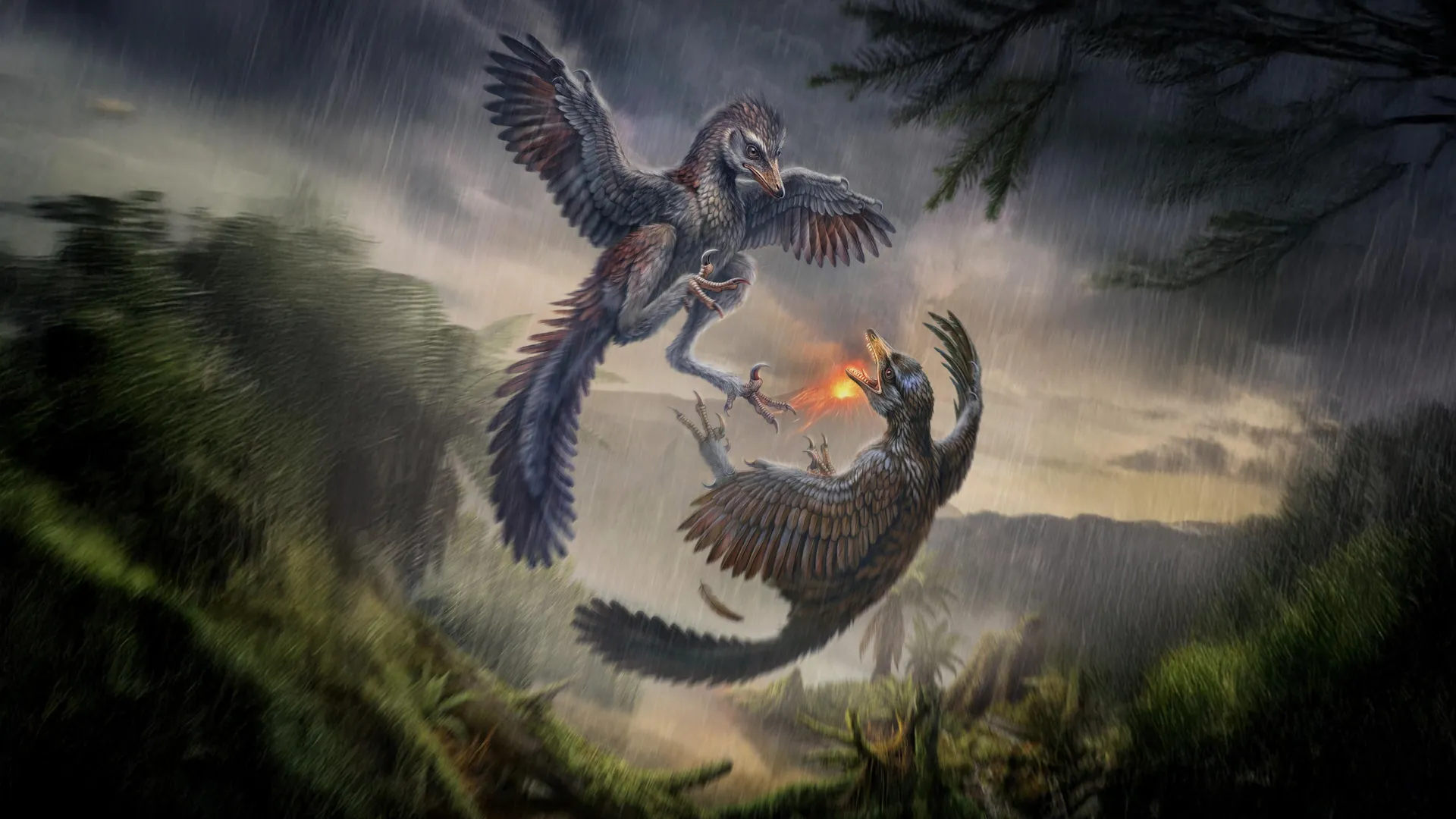
A new fossil of Yuezhuornis yangyuanensis, a Late Jurassic bird from China, reveals that flight loss in birds occurred much earlier than previously thought. The specimen, described in a study published around October 23, features sharp teeth, a dinosaur-like claw, and skeletal adaptations for ground life rather than flight. This finding suggests that early birds experimented with various ecological niches, including terrestrial habitats, shortly after the evolution of flight, challenging the linear narrative of avian evolution.
sciencedaily.com
sciencedaily.com
sciencedaily.com
sciencedaily.com
sciencedaily.com
sciencedaily.com
Archaeology News -- ScienceDaily
sciencedaily.com
sciencedaily.com
Anthropology News -- ScienceDaily
400,000-year-old teeth reveal a hidden link in human evolution | ScienceDaily
Neanderthal hand bones yield ancient DNA in Spain
Six hand bones from a Neanderthal male discovered at Abauntz Cave in Spain have yielded preserved ancient DNA and direct radiocarbon dates of 46,000 years. This finding provides rare genetic material from a specific anatomical region, offering new insights into Neanderthal physiology and kinship structures. The preservation of DNA in these small, delicate bones highlights the potential for recovering genetic data from unexpected skeletal elements in warmer climates.
Local view
Spanish media outlets are highlighting the dual significance of recent finds in the Iberian Peninsula. Gizmodo España reported on the discovery of two distinct types of dinosaur eggs in Guadalajara, dating back 72 million years, which offer rare insights into European titanosaur nesting behaviors. Additionally, local coverage emphasizes the preservation of Neanderthal wooden tools in travertine at Abric Romani, where dissolved rock has left detailed impressions of perishable materials.
Context & numbers
The global fossil market continues to draw scrutiny as high-profile sales persist. In July 2026, a T. rex skeleton known as "Gus" sold for $50.1 million at Sotheby’s, sparking debate among scientists about the loss of research material to private collectors. Meanwhile, in Thailand, the Department of Mineral Resources announced the protection of six newly discovered dinosaur footprints in Udon Thani, dating back 120 million years, which will be integrated into scientific research and tourism initiatives.
On the radar
- Denisovan Morphology: Following the Nature publication, expect further studies applying the new proteomic markers to other Middle Pleistocene Asian fossils to reclassify previously ambiguous specimens.
- Thai Dinosaur Footprints: The Udon Thani site is slated for development into a scientific and tourist destination, with ongoing monitoring by Thai mineral resources agencies.
- Avian Evolution Debate: The classification of Yuezhuornis as a flightless bird is expected to generate significant discussion in ornithological circles regarding the timing and frequency of flight loss in early avian lineages.
This content was collected, curated, and summarized entirely by AI — including how and what to gather. It may contain inaccuracies. Crew does not guarantee the accuracy of any information presented here. Always verify facts on your own before acting on them. Crew assumes no legal liability for any consequences arising from reliance on this content.
Powered by
