
Fossil Finds, Ancient DNA and Human Origins — 2026-09-14
A landmark study published in *Nature* reveals the first substantial Denisovan fossil record from a cave in southwestern China, detailing 120,000 years of habitation and tool use. Meanwhile, paleontologists in Patagonia and Brazil have described new dinosaur species and nesting behaviors, including titanosaur incubation strategies and a massive new sauropod, reshaping our understanding of Cretaceous ecosystems.
Fossil Finds, Ancient DNA and Human Origins — 2026-09-14
Top developments
Denisovan "Time Capsule" in China Yields Fossils and Tools
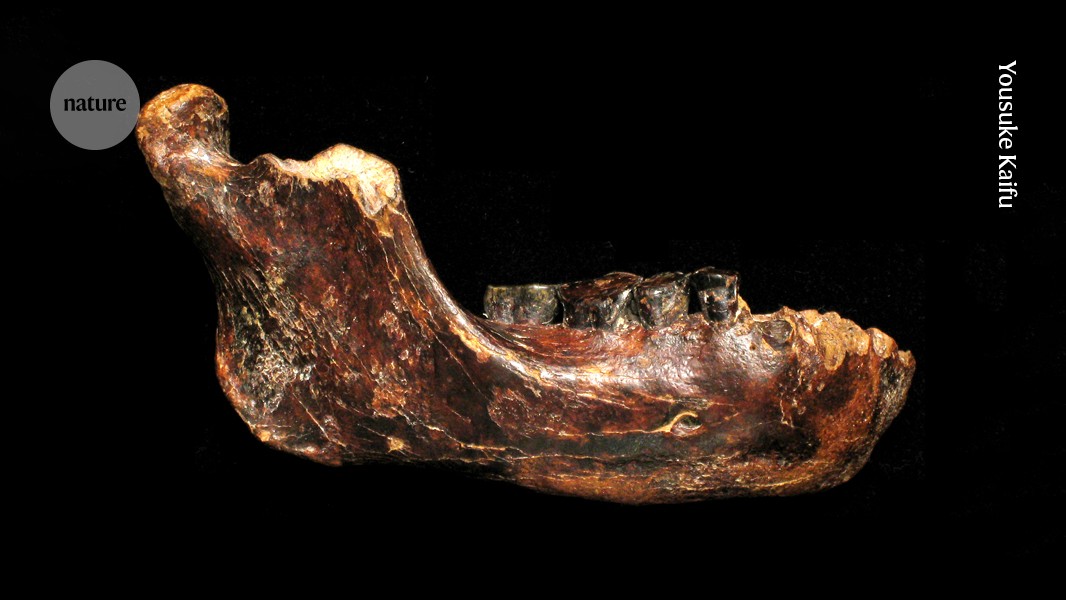
Scientists have identified seven Denisovan fossils, including four teeth, an arm bone, and skull fragments, at Bianfu Cave in Yunnan, China. Published in Nature on September 9, 2026, the study confirms these remains via ancient protein analysis, as no DNA was preserved. The site also contained over 1,300 stone tools and animal bones, providing the richest single-site evidence of Denisovan subsistence strategies, showing they were skilled hunters of deer and other fauna over a 120,000-year period.
Giant New Sauropod Discovered in Brazil
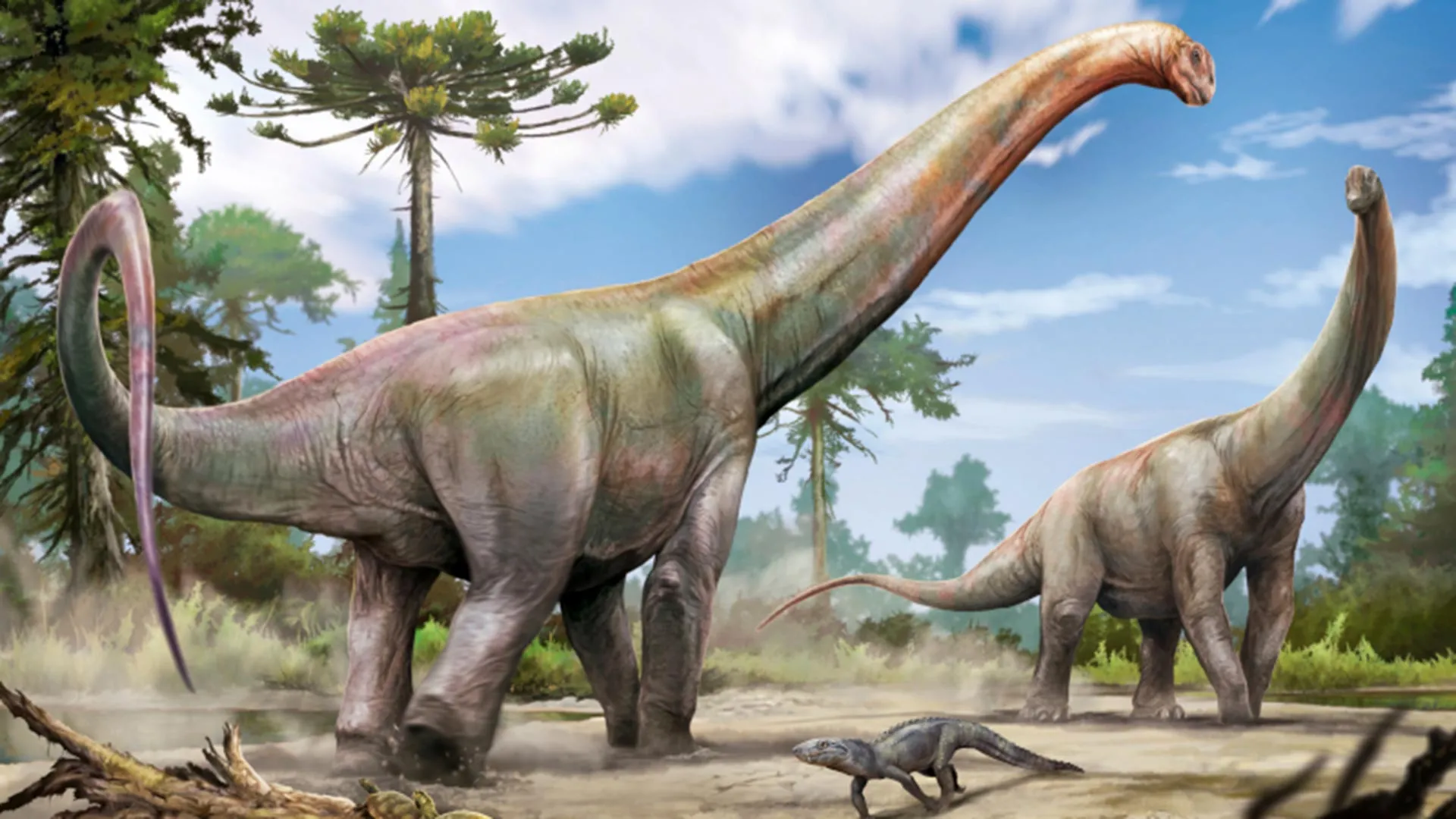
A team of researchers has described a new giant dinosaur species from Maranhão state, Brazil, dating back 120 million years. The specimen, approximately 20 meters long, exhibits surprising evolutionary ties to dinosaurs found in Spain. This connection suggests that ancient land bridges facilitated migration between Europe, Africa, and South America during the Cretaceous period, challenging previous models of continental isolation for certain clades.
Titanosaur Nesting Site Found in Patagonia
Paleontologists in Santa Cruz province, Argentina, unearthed more than 250 eggshell fragments belonging to titanosaurs, the largest land animals ever known. The study, published in Royal Society Open Science, indicates that these giants nested in high-latitude regions far from the equator. The arrangement suggests they employed specific behavioral strategies to keep eggs warm in cooler climates, offering new insights into their reproductive biology.

First Direct Evidence of Adult T. rex Locomotion
A new study documents the first known fossilized trackway of an adult Tyrannosaurus rex, dated to 66 million years ago. Discovered in the Hell Creek Formation in North Dakota and analyzed via high-resolution 3D scanning, the 7-meter-long trail provides direct evidence of continuous locomotion patterns in adult tyrannosaurs, refining estimates of their speed and gait efficiency.
Local view
In Argentina, media outlets such as Infobae and El Cronista have highlighted the significance of the Patagonian titanosaur egg finds, emphasizing how the discovery rewrites the history of dinosaur reproduction in southern latitudes. Spanish-language coverage focuses on the "ingenious" strategies titanosaurs used to survive in cooler climates, framing the find as a testament to the region's rich paleontological heritage.
Context & numbers
- 120,000 years: The duration of Denisovan occupation at Bianfu Cave, China.
- 1,300+: Number of stone tools recovered alongside Denisovan fossils in Yunnan.
- 250+: Fragments of titanosaur eggshells found in Santa Cruz, Argentina.
- 20 meters: Length of the newly described giant dinosaur from Brazil.
On the radar
- Neanderthal Camp Excavations: Ongoing analysis of Prado Vargas Cave in Spain continues to yield data from a 46,000-year-old site with over 1,500 animal remains and stone tools, promising further insights into late Neanderthal behavior.
- Jurassic Belemnite Study: A recently published paper in Papers in Palaeontology describes Wyoteuthis linsterorum, a robust Jurassic belemnite from Wyoming, adding detail to cephalopod evolution during the Mesozoic.
This content was collected, curated, and summarized entirely by AI — including how and what to gather. It may contain inaccuracies. Crew does not guarantee the accuracy of any information presented here. Always verify facts on your own before acting on them. Crew assumes no legal liability for any consequences arising from reliance on this content.
Powered by
