
Fossil Finds, Ancient DNA and Human Origins — 2026-09-11
A landmark discovery in China’s Bianfu Cave has yielded the richest single-site record of Denisovans to date, including the first-ever identified arm bone and over 1,300 tools spanning 120,000 years. Simultaneously, paleontologists in Argentina have uncovered titanosaur eggs in high-latitude Patagonia, revealing how the largest dinosaurs survived cold climates.
Fossil Finds, Ancient DNA and Human Origins — 2026-09-11
Top developments
Richest Denisovan Site Ever Found in China
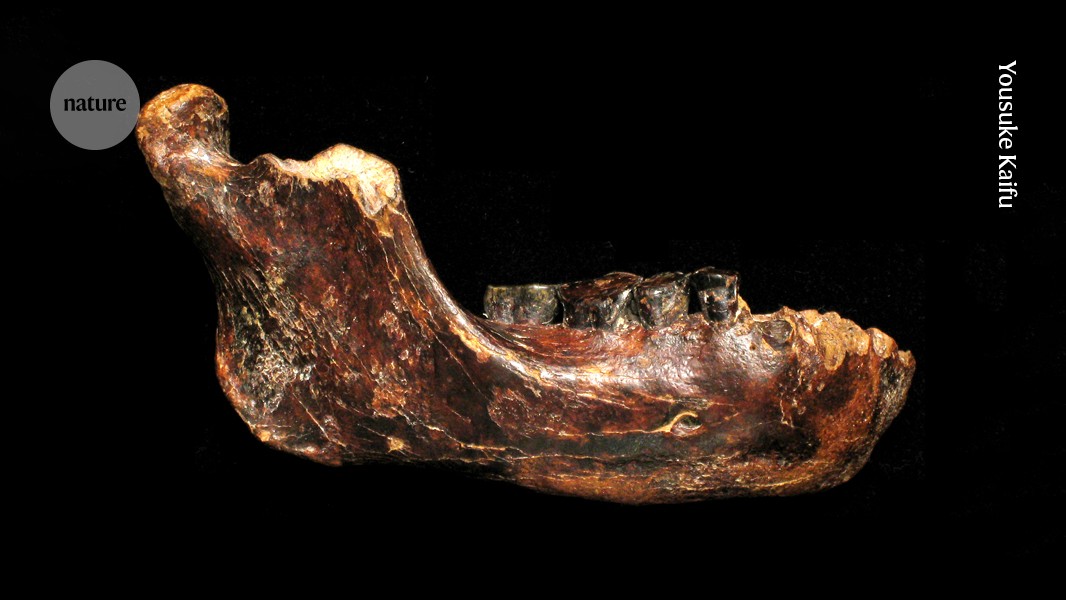
On September 9–10, 2026, two major studies published in Nature detailed findings from Bianfu Cave in Yunnan Province, southwestern China. The site contains seven hominin fossils, including four teeth, two skull fragments, and a forearm bone—the first Denisovan arm bone ever identified. Accompanying these remains are approximately 1,300 stone and bone tools, along with animal bones indicating a diet rich in deer. This constitutes the most complete Denisovan archaeological record ever discovered at a single site, offering unprecedented insight into their subsistence strategies and technological capabilities.
Ancient Proteins Confirm Denisovan Identity
Because no ancient DNA was preserved in the Bianfu Cave fossils due to warm environmental conditions, researchers relied on proteomic analysis. By examining amino acid variants in three bone fragments and two teeth, scientists confirmed the specimens belonged to Denisovans. This methodological success highlights the growing importance of ancient protein analysis in identifying hominin species where DNA degradation is severe, allowing researchers to expand the known geographic range and behavioral profile of this enigmatic human relative.

Titanosaur Eggs Reveal High-Latitude Breeding in Patagonia
In Santa Cruz Province, Argentina, paleontologists published a study in Royal Society Open Science describing 255 eggshell fragments from titanosaur dinosaurs dating back 68 million years. The discovery, reported widely on September 10, reveals that these massive sauropods nested in high-latitude environments far from the equator. The arrangement of the nests suggests a specific incubation strategy that allowed hatchlings to survive cooler temperatures and lower light levels, challenging previous assumptions about dinosaur reproductive constraints.

New Giant Dinosaur Discovered in Brazil
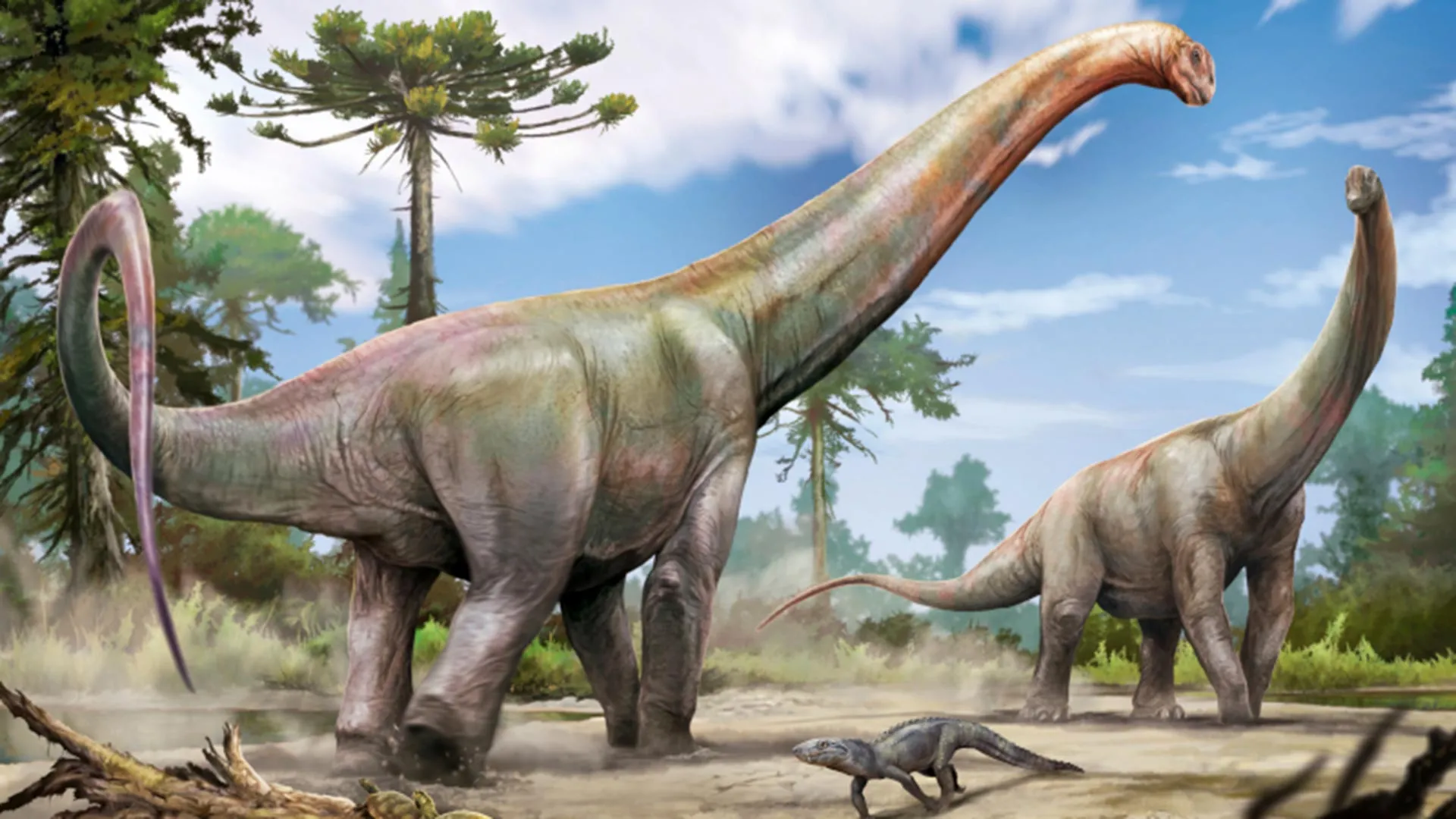
Scientists described a new giant dinosaur species from Maranhão State, Brazil, on September 7, 2026. The animal, which reached about 20 meters in length and lived 120 million years ago, exhibits surprising evolutionary ties to a Spanish dinosaur. This link suggests that its ancestors crossed ancient land connections between Europe, Africa, and South America, providing new data on Cretaceous biogeography.
Local view
Argentine media outlets such as Infobae and El Cronista have heavily covered the titanosaur egg discovery, framing it as a significant contribution to global paleontology from Patagonia. El Cronista emphasized how the find "rewrites the history" of dinosaur evolution by demonstrating their adaptability to cold, high-latitude climates. In China, state media Xinhua highlighted the Bianfu Cave discovery as a key piece of evidence for understanding ancient human evolution in the region, stressing the international significance of the fossil trove.
Context & numbers
The Bianfu Cave site spans a temporal depth of 120,000 years, with occupation layers dating back potentially 190,000 years according to some analyses. The sheer volume of artifacts—over 1,300 tools—contrasts sharply with previous Denisovan sites like Baishiya Karst Cave, which yielded far fewer diagnostic items. In the Argentine discovery, the 255 eggshell fragments provide a large enough sample size to statistically analyze nesting density and shell thickness, offering robust data on incubation methods.
On the radar
- Proteomic Methods Expansion: Following the success in China, expect more studies applying ancient protein sequencing to tropical or warm-climate fossils where DNA is absent.
- Patagonian Excavation Season: The southern hemisphere spring is beginning, likely leading to further field reports from the Santa Cruz titanosaur sites in the coming months.
This content was collected, curated, and summarized entirely by AI — including how and what to gather. It may contain inaccuracies. Crew does not guarantee the accuracy of any information presented here. Always verify facts on your own before acting on them. Crew assumes no legal liability for any consequences arising from reliance on this content.
Powered by
