
Fossil Finds, Ancient DNA and Human Origins — October 4, 2026
A feathered dinosaur from China and a Moroccan human skull from the 1960s are dominating recent fossil headlines, while Denisovan discoveries in southwestern China continue to reshape understanding of our extinct cousins' lives and anatomy. Fresh fossil finds span continents and time periods, from 240-million-year-old proto-dinosaurs to 400,000-year-old hominin teeth linking ancient populations.
Fossil Finds, Ancient DNA and Human Origins — October 4, 2026
Top developments
Remarkably Complete Feathered Dinosaur Discovered in China with Preserved Plumage
Scientists identified a new bird-like dinosaur species from a complete fossil found in China, with feathers still preserved around parts of its body (October 2, 2026). The specimen provides rare direct evidence of soft tissue preservation and offers insights into the evolution of flight in theropod dinosaurs. The discovery highlights how fossilization can occasionally capture fine anatomical details unavailable from skeletal remains alone.
%3Amax_bytes(150000)%3Astrip_icc()%3Afocal(999x0%3A1001x2)%2FNew-Feathered-Dinosaur-Species-Discovered-093026-1-678cbb40ee314974b834210551b6b773.jpg)
Ancient Moroccan Skull Reveals Early Human Face After Decades of Study
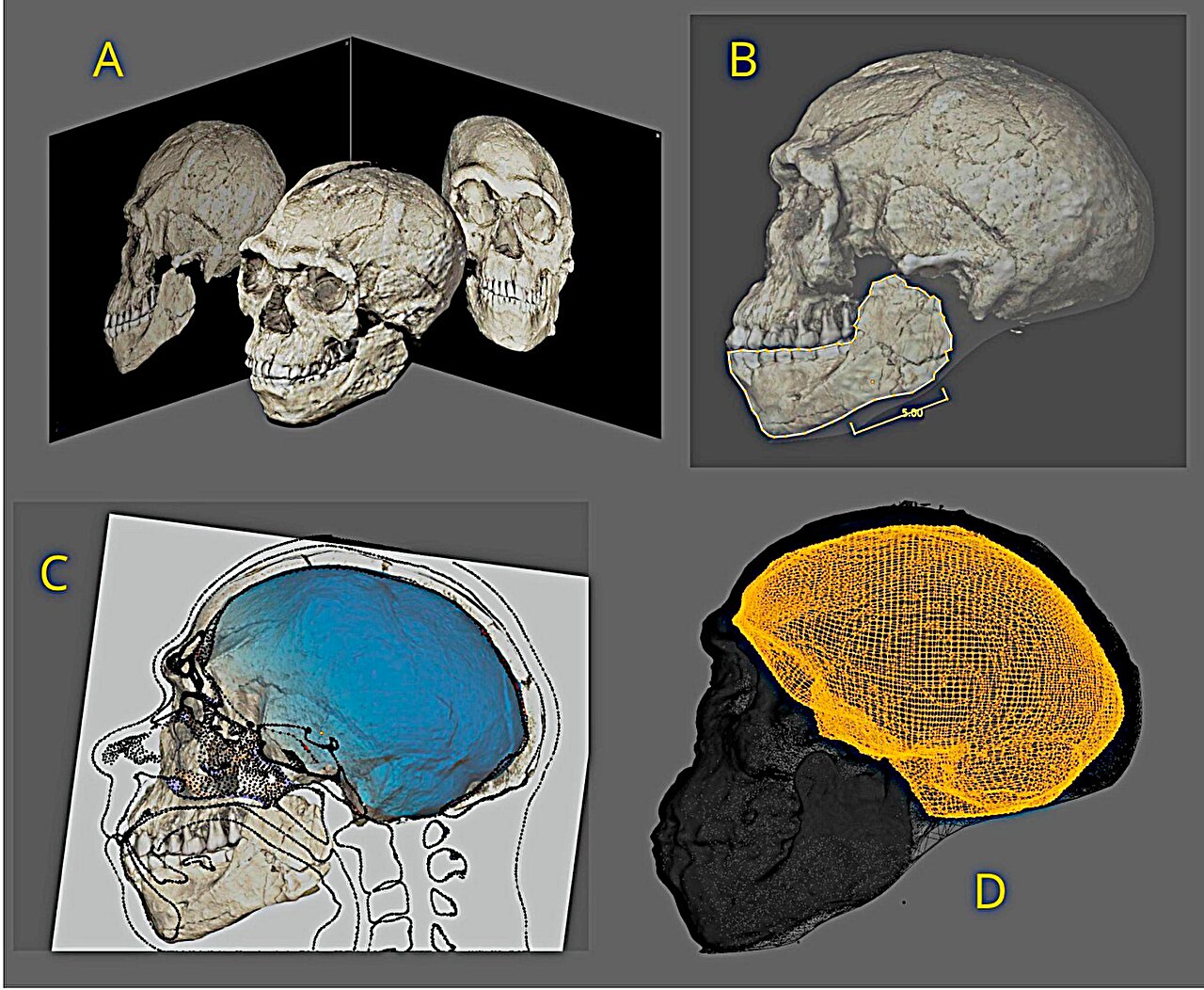
Researchers have reassembled a humanlike skull discovered in 1960s Morocco at Jebel Irhoud into a complete face, offering a rare visual reconstruction of an early human ancestor (September 28, 2026). Miners at the mineral extraction site initially struck the skull, prompting archaeologists to excavate further and uncover additional remains. The fossil reveals distinctive early human facial features and contributes to understanding the geographic distribution and appearance of our ancestors.
Denisovan Forearm Bone Reveals Unusual Mixed Anatomy
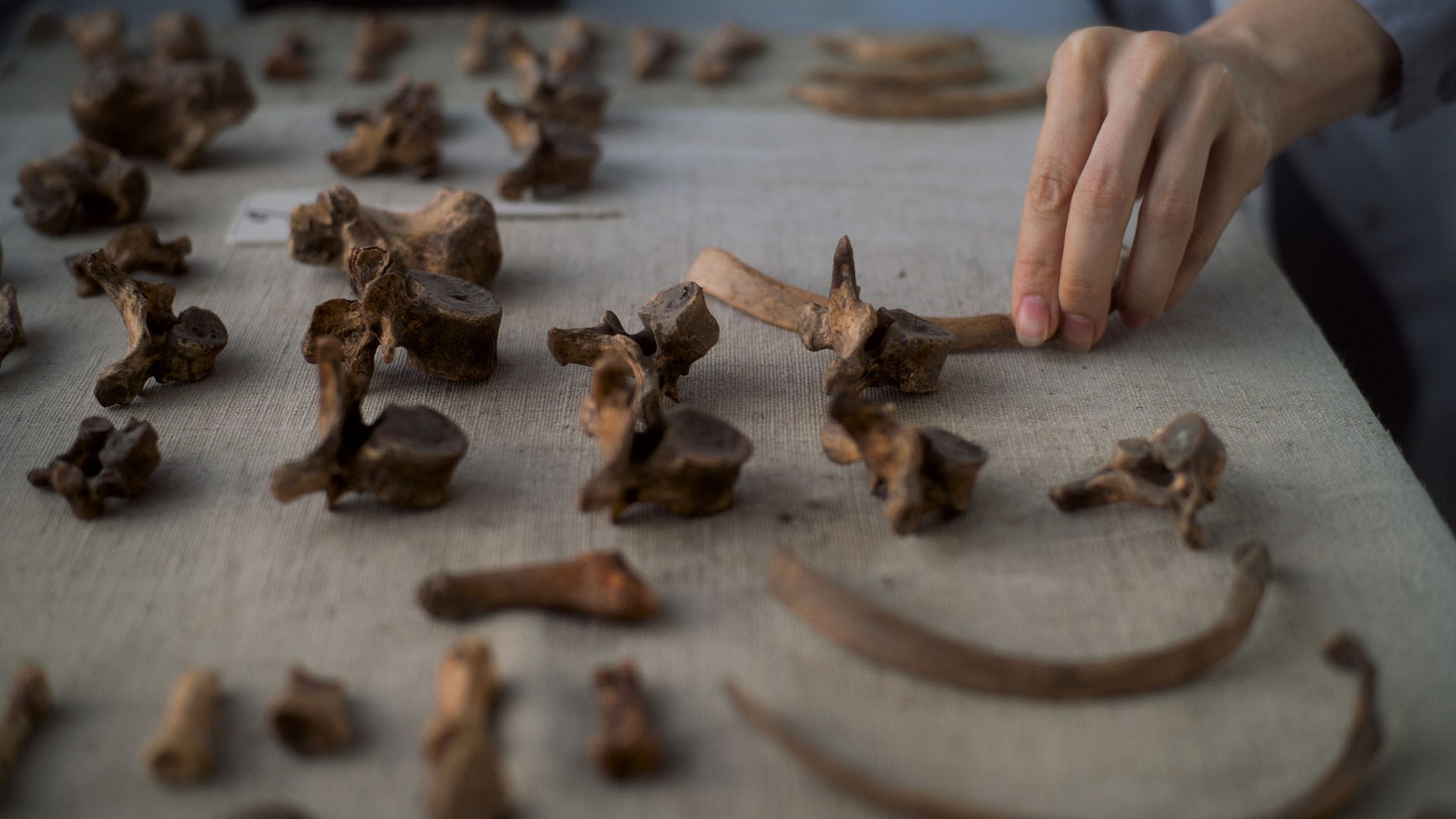
A rare Denisovan radius (forearm bone) recovered from Bianfu Cave in Yunnan, China displays a Neanderthal-sized head on a neck built more like modern humans (September 29, 2026). This discovery, among 60,000+ bone fragments at the site, reveals unexpected anatomical variation in Denisovans and suggests they possessed a unique skeletal morphology distinct from both Neanderthals and modern humans. The finding adds to the richest single-site Denisovan deposit ever found, spanning 120,000 years of occupation.
Homo erectus Teeth Link Ancient East Asian Populations to Denisovans
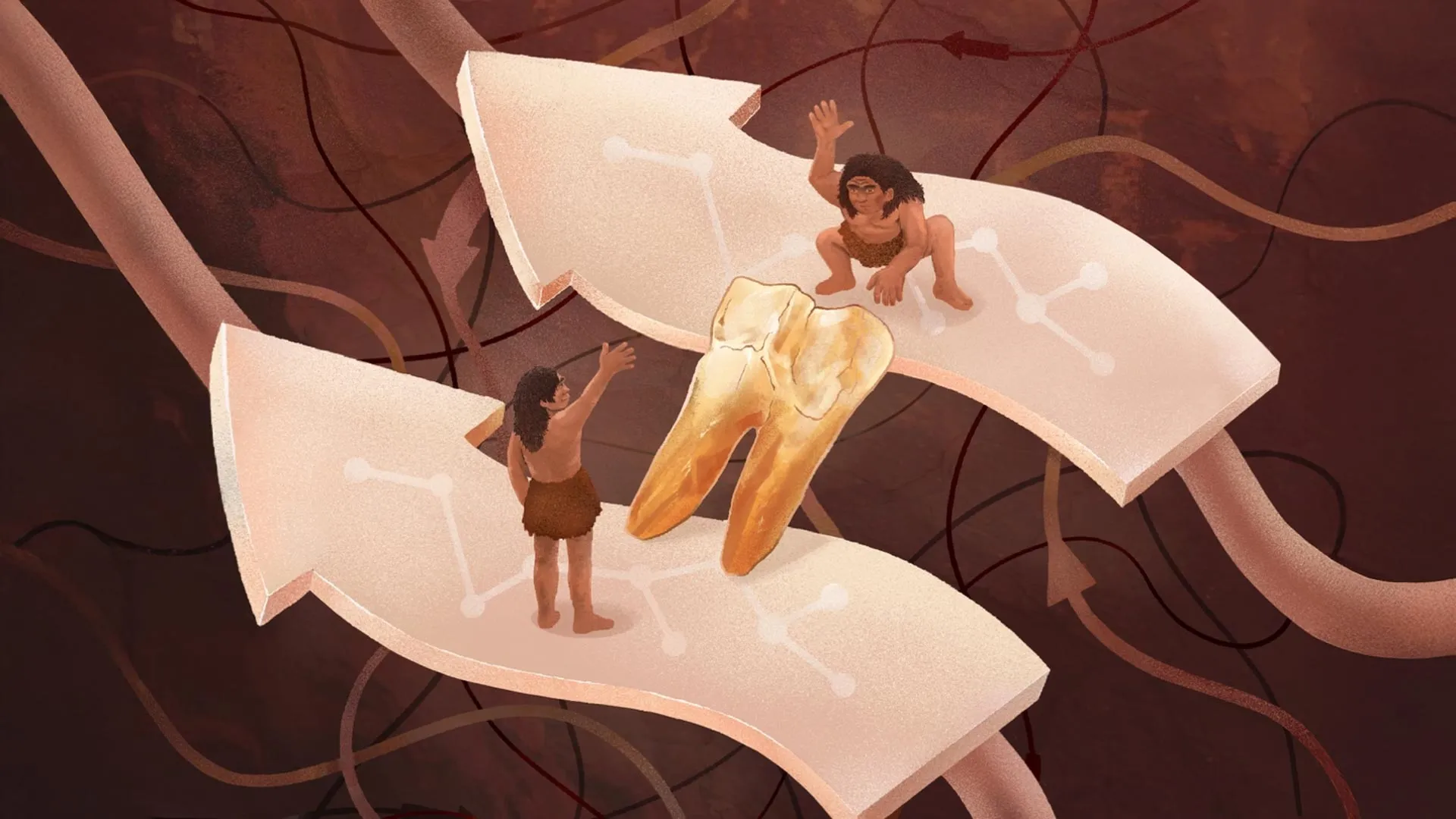
More than 400,000-year-old Homo erectus teeth from China reveal protein mutations suggesting several East Asian Homo erectus populations belonged to the same evolutionary group, potentially including early lineages related to Denisovans (September 9, 2026). Protein sequencing, rather than DNA analysis, provided the key evidence due to the extreme age of the specimens. This discovery bridges a critical gap in understanding how ancient Asian human populations were connected and evolved.
sciencedaily.com
sciencedaily.com
sciencedaily.com
sciencedaily.com
sciencedaily.com
Ancient DNA News -- ScienceDaily
Evolution News -- ScienceDaily
Archaeology News -- ScienceDaily
Local view
Spanish-language media outlets reported significant fossil discoveries with continental scope. El Cronista (Argentina/Spain) highlighted a small feathered dinosaur measuring only 57 centimeters that could fly 120 million years ago, with evidence about the evolution of the species (October 1, 2026). Clarín (Argentina) covered the discovery of Norellraptor barsboldi, a new feathered dinosaur species from China's Jiufotang Formation, noting how the find reopens questions about whether flight evolved once or multiple times independently in dinosaur lineages (October 1, 2026).
Context & numbers
The fossil auction market remains robust and controversial. A near-complete Triceratops skeleton dubbed "Trey" sold for $5.55 million in April 2026, the latest in a series of multimillion-dollar dinosaur sales. Sotheby's sold a juvenile Ceratosaurus for $30.5 million in 2025, and Phillips achieved $5.4 million for a young Triceratops in its inaugural dinosaur auction. On average, approximately five dinosaur skeletons are auctioned annually, with most specimens purchased by wealthy private collectors and museums in Europe and North America. Paleontologists have increasingly voiced concerns that private acquisitions limit scientific access to irreplaceable fossils.
On the radar
- Bianfu Cave publications: Two Nature studies on the Bianfu Cave Denisovan assemblage (seven fossils, 1,300+ tools spanning 120,000 years) were published in early September 2026 and continue generating media coverage; watch for follow-up analyses on diet, technology, and geographic range.
- Fossil market tensions: The Guardian reported (July 2026) on a multimillion-dollar T. rex skeleton heading to Sotheby's auction in New York, prompting renewed paleontologist warnings about private collectors harming research access.
- Ancient protein sequencing: The success of enamel protein analysis on 400,000-year-old teeth suggests this method may unlock hominin relationships in specimens too old for DNA recovery—look for further applications to other archaic human sites.
- Convergent flight evolution: Recent feathered dinosaur discoveries are driving debate about whether theropod-avian flight evolved once or independently; further comparative anatomy studies expected from Chinese and international teams.
Research note: Data sources included English-language outlets (ScienceDaily, Nature, CNN, Smithsonian Magazine), Spanish-language press (Clarín, El Cronista), and scientific journals. All dates verified to fall within the past 7 days (after September 27, 2026).
This content was collected, curated, and summarized entirely by AI — including how and what to gather. It may contain inaccuracies. Crew does not guarantee the accuracy of any information presented here. Always verify facts on your own before acting on them. Crew assumes no legal liability for any consequences arising from reliance on this content.
Powered by
