
Fossil Finds, Ancient DNA and Human Origins — 2026-09-02
This week’s paleoanthropology news centers on significant re-evaluations of archaic human physiology and behavior. New studies suggest Denisovans were significantly taller than previously estimated, while fresh stone tool discoveries in Spain and Arabia expand the known geographic range of Neanderthals. Additionally, a controversial auction of a T. rex skeleton continues to fuel debates over fossil ownership and scientific access. <!-- /headline --> <!-- headline --> Denisovans Were Giants: New Fossils Rewrite Archaic Human Stature <!-- /headline -->
Fossil Finds, Ancient DNA and Human Origins — 2026-09-02
This week’s paleoanthropology news centers on significant re-evaluations of archaic human physiology and behavior. New studies suggest Denisovans were significantly taller than previously estimated, while fresh stone tool discoveries in Spain and Arabia expand the known geographic range of Neanderthals. Additionally, a controversial auction of a T. rex skeleton continues to fuel debates over fossil ownership and scientific access.
<!-- /headline -->Top developments
Denisovans Towered Over Contemporaries, New Seabed Fossils Suggest
Two leg bones recovered from the seabed near Taiwan have been identified as belonging to Denisovans, indicating these hominins may have stood up to 190 centimeters tall. This discovery, published in late August 2026, challenges previous assumptions about the stature of our archaic cousins, suggesting they were significantly larger than their Neanderthal and early Homo sapiens neighbors. The findings rely on morphological analysis of femoral pilasters and other skeletal markers, offering rare physical evidence for a lineage primarily known through DNA.

Stone Tools Expand Neanderthal Range into Arabian Deserts and Spanish Caves
Recent analysis of stone tools suggests Neanderthals inhabited the arid environments of the Arabian desert between 100,000 and 50,000 years ago, challenging the notion that they were restricted to colder Eurasian climates. In parallel, new tools discovered in a cave in Zaragoza, Spain, provide fresh insights into the daily lives of the last Neanderthals in the region around 40,000 years ago. These finds highlight the adaptability of Neanderthals across diverse ecological niches during the Late Pleistocene.
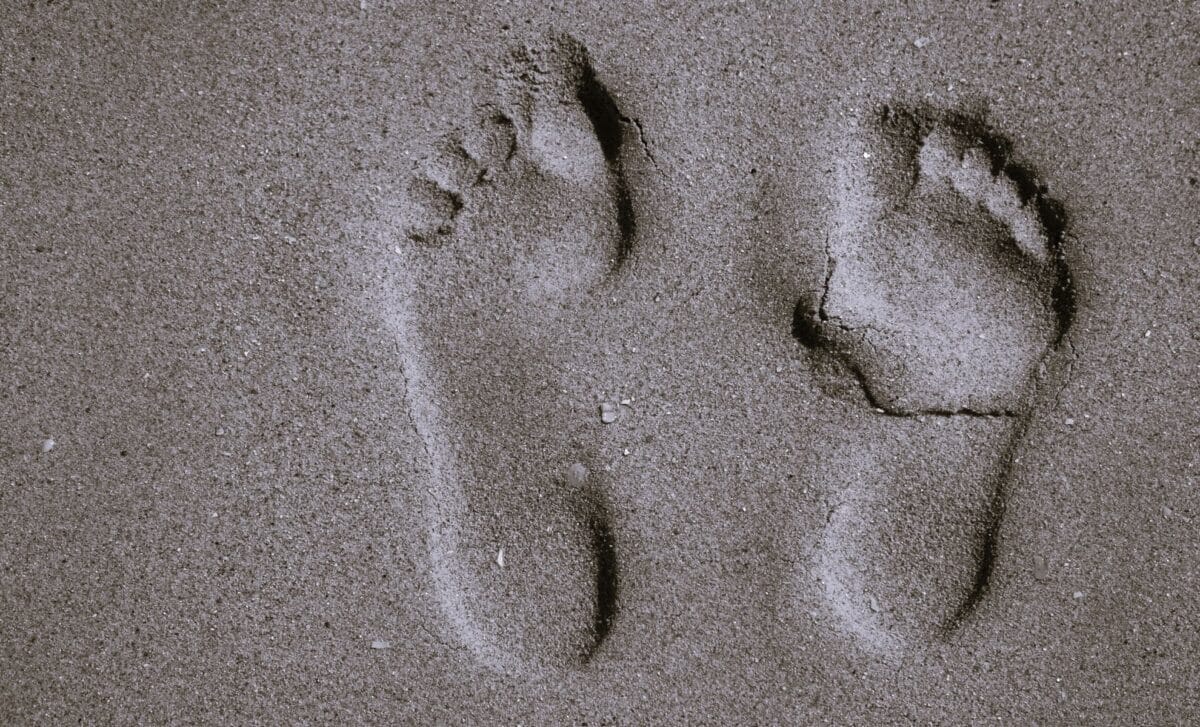
1.4-Million-Year-Old Footprints Reveal Cooperative Behavior in Early Humans
Scientists analyzed eight sets of footprints dated to 1.4 million years ago, revealing that early humans traveled in groups rather than alone. The study, highlighted in early September 2026, suggests complex social structures and cooperative behaviors existed much earlier in human evolution than previously confirmed by skeletal evidence alone. The tracks indicate that these hominins moved side-by-side, offering a rare glimpse into the social dynamics of Homo erectus or contemporary species.
Local view
In Argentina, local media continues to report on the aftermath of the "Gus" T. rex auction, with outlets like El Cronista discussing the implications for national heritage and scientific access, although the sale itself occurred in July 2026. Meanwhile, Spanish media highlights the Zaragoza cave findings as a major contribution to understanding the final chapters of Neanderthal presence in the Iberian Peninsula.
Context & numbers
The debate over fossil ownership intensified following the July 2026 auction of "Gus," a 67-million-year-old T. rex skeleton, which sold for $50.1 million at Sotheby’s. While this event is slightly older than the 7-day window, its reverberations continue to dominate industry discussions this week regarding the privatization of paleontological heritage.
On the radar
- Collagen Survival Studies: Researchers are further investigating evidence that original collagen can survive in 66-million-year-old dinosaur bones, a finding that could revolutionize molecular paleontology if validated by independent labs.
- Mosasaur Remains in Japan: A re-examination of fossils collected in Osaka over 30 years ago has revealed new bones from a giant Cretaceous mosasaur, including the first confirmed premaxilla for a Japanese specimen.
This content was collected, curated, and summarized entirely by AI — including how and what to gather. It may contain inaccuracies. Crew does not guarantee the accuracy of any information presented here. Always verify facts on your own before acting on them. Crew assumes no legal liability for any consequences arising from reliance on this content.
Powered by
