
Fossil Finds, Ancient DNA and Human Origins — 2026-09-18
A 240-million-year-old fossil from Tanzania has forced a re-evaluation of early dinosaur evolution timelines, while new findings in China and Spain continue to reshape our understanding of ancient life. Meanwhile, the return of 64 cultural relics and fossils from the US to China highlights ongoing issues in fossil repatriation.
Fossil Finds, Ancient DNA and Human Origins — 2026-09-18
Top developments
240-Million-Year-Old Species Redefines Dinosaur Evolution
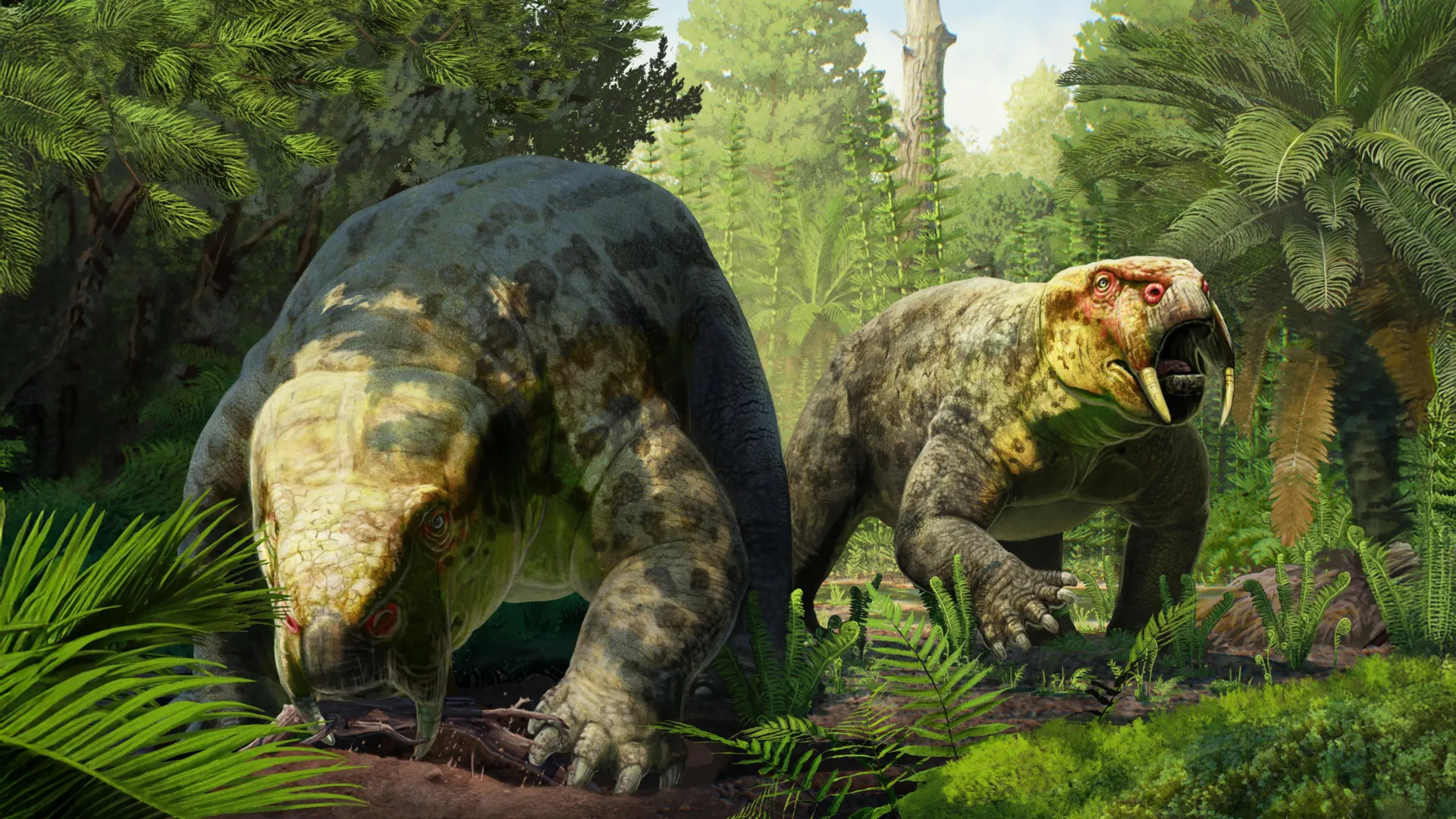
Researchers have identified a new prehistoric animal species, Dinodontosaurus isiyavamanda, from Tanzania dating back 240 million years to the Triassic period. Previously, fossils of this group were only known from South America, suggesting a link between the two continents that could push back the timeline for when the earliest dinosaurs evolved. The specimen had been in collections for 60 years before being properly identified, highlighting how museum archives can hold key pieces of evolutionary history.
Denisovan Trove Reveals Lifestyle in Southwest China
New studies published in Nature describe seven Denisovan fossils and over 1,300 stone and bone tools from Bianfu Cave in Yunnan Province, China. The findings span 120,000 years, offering an unprecedented glimpse into the subsistence strategies of these extinct human relatives, including evidence they hunted deer and crafted bone tools. Ancient protein analysis confirmed the remains belong to Denisovans, despite the absence of preserved DNA.
%2Fhttps%3A%2F%2Ftf-cmsv2-smithsonianmag-media.s3.amazonaws.com%2Ffiler_public%2F3a%2F70%2F3a7012b6-f877-41a0-a0ee-fc2251c68db7%2Fsmithsonian_feature_images_17.png)
First Diplodocus Fossil Found Outside North America
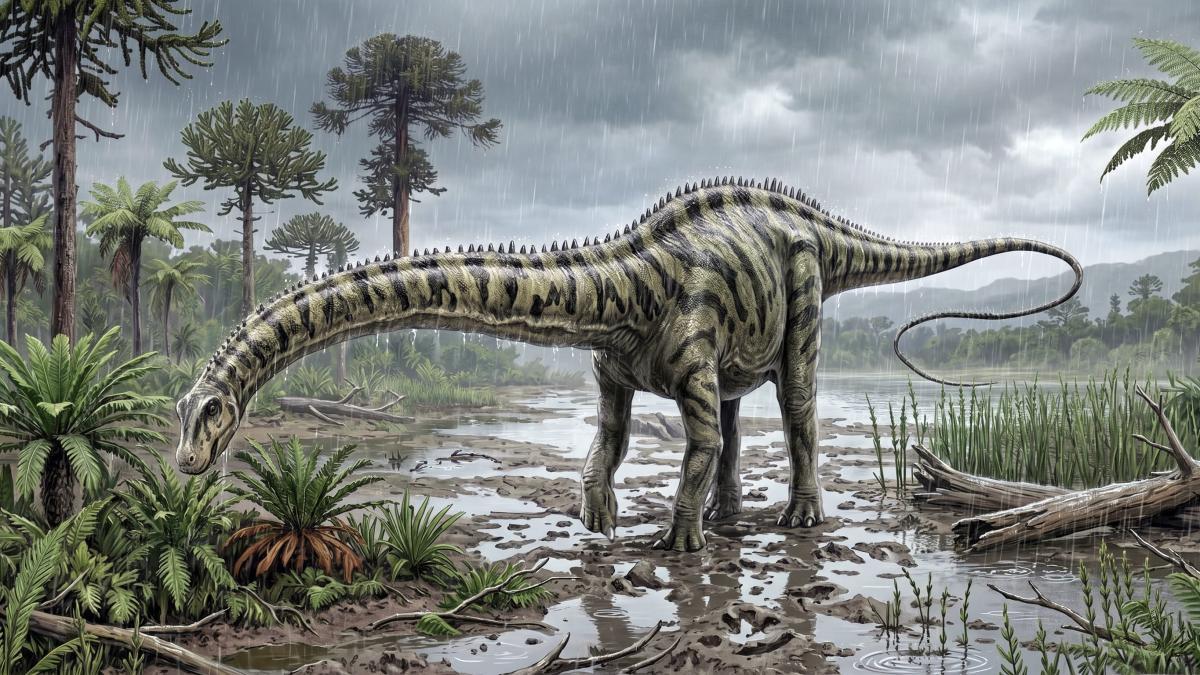
A significant discovery in Teruel, Spain, marks the first time a Diplodocus fossil has been found outside North America. This finding confirms that this iconic sauropod also inhabited Europe during the Jurassic period, challenging previous geographic distributions for the genus.
Amber Deposits Reveal Cretaceous Ecosystem
A new scientific review of the El Soplao amber deposit in Cantabria, Spain, places it among Europe's major Cretaceous amber sites. The analysis reveals over 1,500 arthropods and dinosaur feathers trapped in blue-violet amber, allowing for a precise reconstruction of an ecosystem from approximately 105 million years ago.
Local view
In Spain, local media such as El Confidencial are highlighting the global significance of the El Soplao amber deposits, emphasizing their potential to reconstruct detailed Cretaceous ecosystems. In Argentina, Clarín reports on a controversial but intriguing find: a feather trapped in 66-million-year-old dinosaur feces, potentially offering clues about survival rates during the K-Pg extinction event.
Context & numbers
The fossil repatriation landscape saw a major development as the US returned 64 cultural relics and paleontological fossils to China between September 16 and 18, 2026. These items, including dinosaur skeletons and fish fossils, were seized by US law enforcement and returned to the National Cultural Heritage Administration. This follows recent high-profile auction sales, such as the T. rex "Gus" selling for $50.1 million in July 2026, which continues to spark debate about access to scientific specimens.
On the radar
- Dinosaur Footprints: Reports are emerging regarding the first fossilized footprints of an adult T. rex found in North Dakota, which may further revise locomotion models.
- Ancient Proteins: Ongoing research into organic molecules preserved in 66-million-year-old dinosaur bones continues to challenge assumptions about fossilization and protein survival.
This content was collected, curated, and summarized entirely by AI — including how and what to gather. It may contain inaccuracies. Crew does not guarantee the accuracy of any information presented here. Always verify facts on your own before acting on them. Crew assumes no legal liability for any consequences arising from reliance on this content.
Powered by
