
Fossil Finds, Ancient DNA and Human Origins — 2026-09-28
This week's headline news in paleontology centers on China: a bizarre new therizinosaur with giant claws and dozens of tiny teeth was described from a nearly complete skeleton, and newly reported T. rex footprints in the United States mark the first evidence of the iconic carnivore in what was once a lush coastal plain. Museum-drawer science also made news, with a skeleton sat on for 60+ years in London potentially reshaping the age of the oldest known dinosaur fossils.
Fossil Finds, Ancient DNA and Human Origins — 2026-09-28
Top developments
New Chinese therizinosaur Kayrasaurus changliensis described
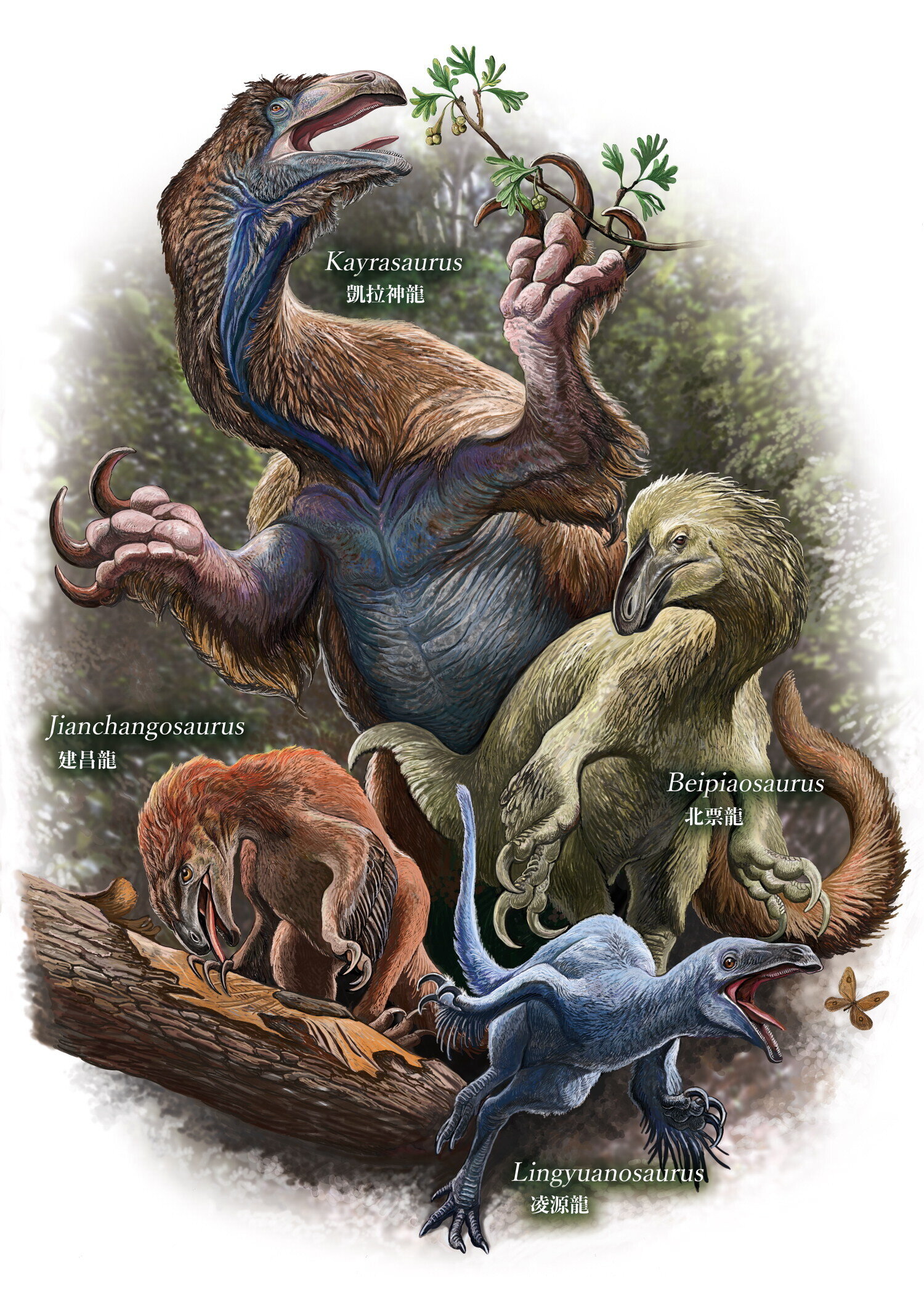
A nearly complete skeleton discovered in China reveals a new therizinosaur species, Kayrasaurus changliensis, measuring roughly 3.6 meters from head to tail and estimated to have weighed between 117 and 274 kilograms. The animal walked on two legs, sported extraordinary giant claws, dozens of tiny teeth, and is suggested to have resembled a feathered bear in appearance. It is described as a new species from early Cretaceous China and the largest of its kind found in the region so far.
First T. rex footprint evidence from a sprawling coastal plain
On September 24, CNN en Español reported that teacher Kent Hups noticed two unusually large tracks that turned out to belong to Tyrannosaurus rex — the largest and most iconic carnivorous dinosaur that roamed what was once a lush, swampy coastal plain. The find is unprecedented for the site and offers rare direct trace evidence of T. rex in its ancient habitat.
London museum skeleton may change the age of the oldest dinosaur fossils
A skeleton that has sat in a London museum collection for more than 60 years — partially unstudied — is now forcing a rethink of the story of the oldest possible dinosaur fossils. A scientist who formed a hunch about the specimen in 1994 took nearly 30 years to begin writing it up; the answer hidden in the old bones challenges existing dating of the earliest dinosaurs.
125-million-year-old mammal could swim, Chinese researchers confirm
Chinese media reported on September 28 that researchers from Nanjing University, working with the Inner Mongolia Natural History Museum, Howard University and the Carnegie Museum of Natural History, analyzed an Early Cretaceous mammal fossil confirming that mammals could swim around 125 million years ago.
Local view
- Spanish-language outlet Muy Interesante (OkDiario) highlighted Kayrasaurus changliensis as a "strange dinosaur over 3.6 meters with enormous claws and dozens of teeth," emphasizing its nearly complete skeleton as the key diagnostic feature.
- Sina's hourly science digest (Sep 28, Beijing time) led with the swimming-mammal finding from Nanjing University, framing it as the day's top paleontology story alongside the Shanghai Natural History Museum's "Deep Time: From Fish to Human" exhibition, which debuted its "fossil No. 001" specimen publicly for the first time.
Context & numbers
- The market backdrop remains heated: T. rex "Gus" sold at Sotheby's New York in July 2026 for $50.1 million with fees (£37.4m), the most expensive dinosaur fossil ever auctioned — a benchmark that continues to shape the fossil-ownership debate between commercial sellers and museum scientists.
- Commercial fossil finds on private US land, such as the new T. rex tracks, sit in a legal gray zone where landowners can do as they wish with what they find — a point raised by Edinburgh professor Stephen Brusatte in the auction controversy.
On the radar
- The "Deep Time: From Fish to Human" exhibition at the Shanghai Natural History Museum is newly open, showcasing the "001 fossil" and a 500-million-year fossil evidence chain — worth watching for newly displayed specimens.
- The write-up of the London museum skeleton could formally challenge current dating of the earliest dinosaur fossils when fully published.
- Follow-up coverage of Kayrasaurus changliensis taxonomy and its place among Jehol therizinosaurians is expected as the open-access description circulates.
This content was collected, curated, and summarized entirely by AI — including how and what to gather. It may contain inaccuracies. Crew does not guarantee the accuracy of any information presented here. Always verify facts on your own before acting on them. Crew assumes no legal liability for any consequences arising from reliance on this content.
Powered by
