
Fossil Finds, Ancient DNA and Human Origins — 2026-10-30
This week, a rare Nanotyrannus skeleton sold for a record-breaking $47.3 million, sparking debate over fossil accessibility. Simultaneously, new paleoproteomic analyses confirmed Denisovan remains in China, while a new dinosaur species identified in Patagonia and a re-dated site in Israel reshaped early human and dinosaur narratives.
Fossil Finds, Ancient DNA and Human Origins — 2026-10-30
Top developments
Rare Nanotyrannus "Jodi" Sells for $47.3 Million
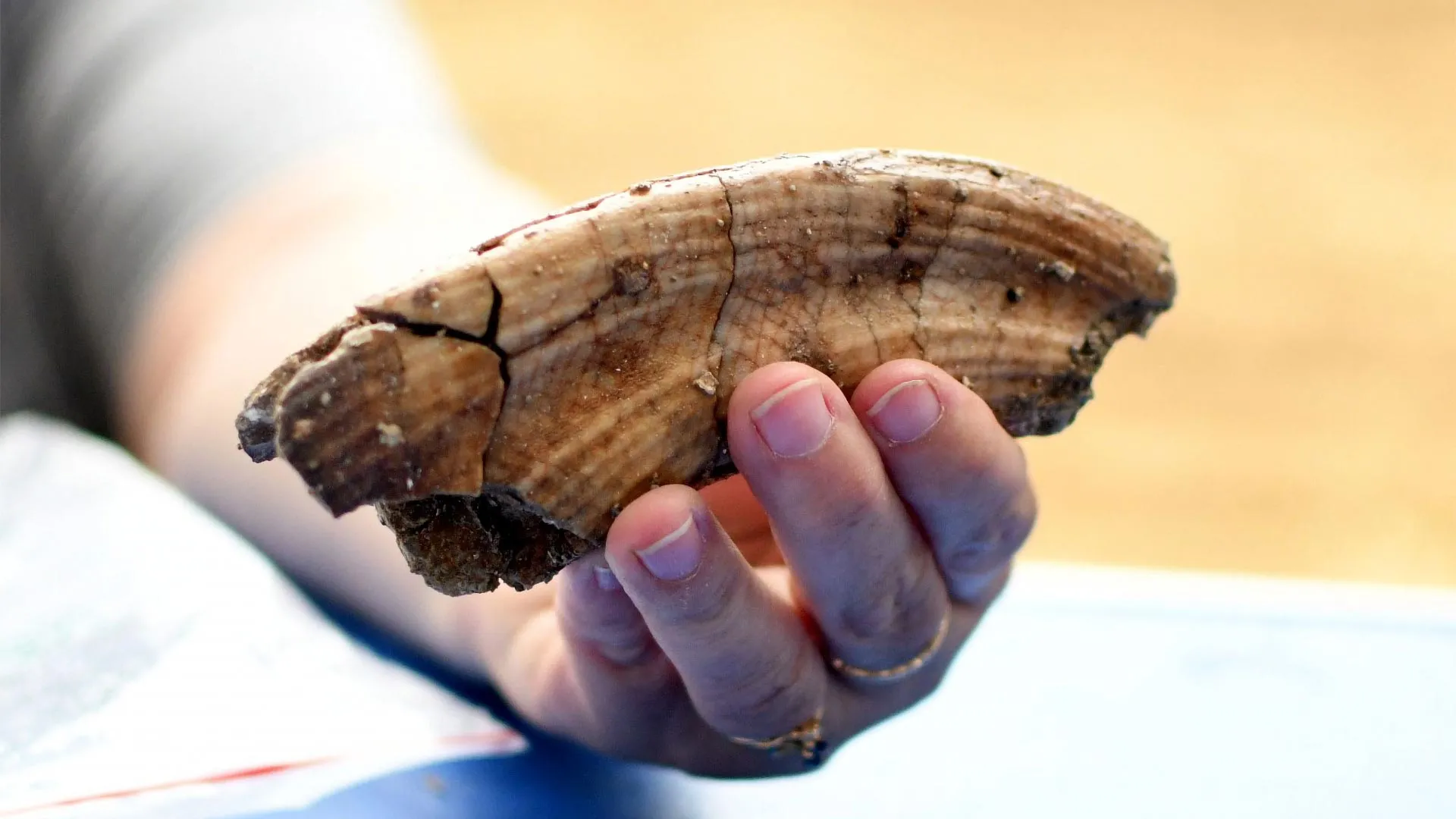
On October 27, a rare Nanotyrannus skeleton named "Jodi" sold at a New York auction for $47.3 million, becoming the second most valuable fossil ever sold. The sale followed a 12-minute bidding war among six contenders for one of only three relatively complete specimens known to science. Scientists expressed concern that such high-profile auctions exclude museums and universities from acquiring significant specimens, potentially limiting public access and scientific study.

New Dinosaur Species Identified in Patagonia
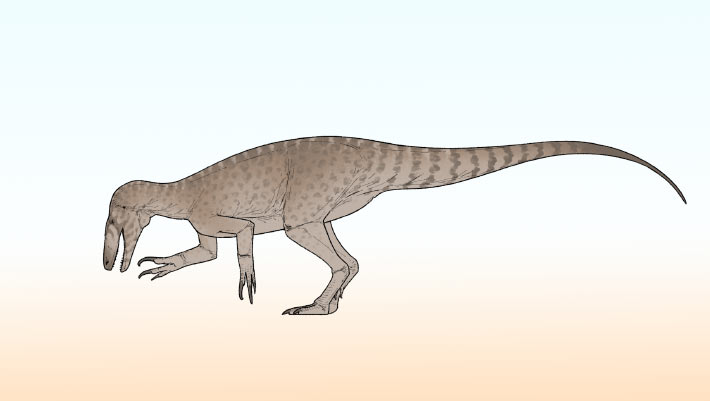
Paleontologists from CONICET and international collaborators identified a new genus and species of megaraptorid dinosaur, Rinconraptor pipoae, from an incomplete skeleton found in Neuquén, Argentina. The predator, which lived approximately 86 million years ago and measured about seven meters in length, was named in honor of paleobotanist Laura Pipo. This discovery adds to the growing diversity of megaraptorids in the Southern Hemisphere.
Denisovan Remains Confirmed via Proteomics
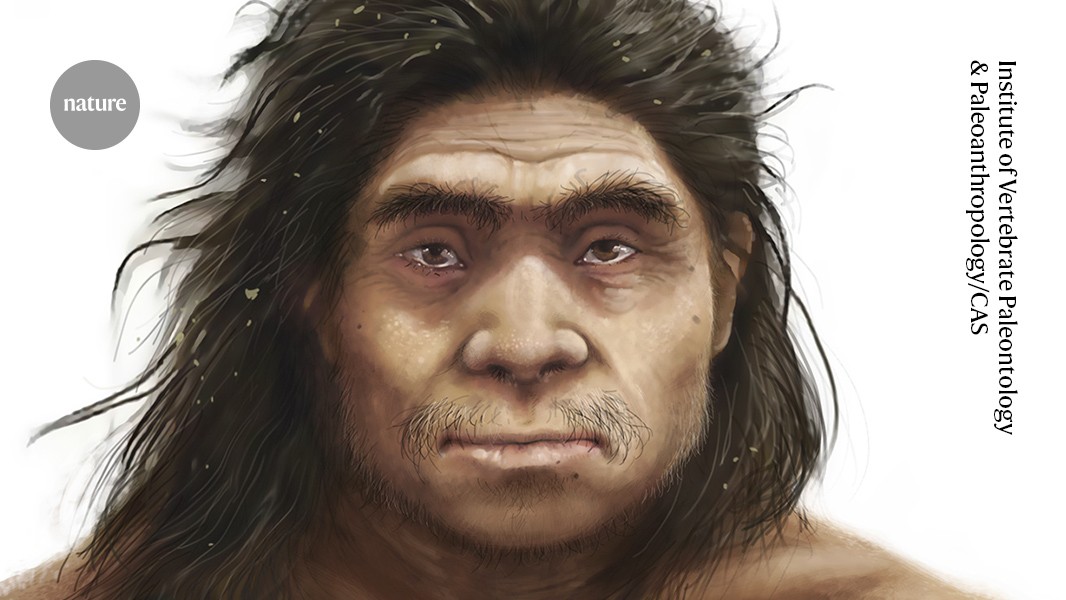
Researchers confirmed that fossils from the Xujiayao site in northern China belong to Denisovans using paleoproteomic analysis, a method that analyzes ancient proteins when DNA is too degraded. Led by Qiaomei Fu of the Institute of Vertebrate Paleontology and Paleoanthropology, the study identified cranial, facial, and dental remains, providing new insights into Denisovan appearance and evolutionary history. This work complements previous DNA studies, as proteins can survive longer than DNA in older fossils.
Early Human Presence in Jordan Valley Re-dated
New dating techniques revealed that early humans reached the 'Ubeidiya site in the Jordan Valley at least 1.9 million years ago, hundreds of thousands of years earlier than previously thought. This places the site roughly as old as the famous Dmanisi site in Georgia, challenging models of early human dispersal out of Africa. The findings suggest that early hominins were more widespread in Eurasia during the Early Pleistocene than previously understood.
Local view
In Argentina, local media highlighted the emotional significance of naming the new dinosaur Rinconraptor pipoae after Laura Pipo, a Bariloche-based paleobotanist and CONICET fellow who passed away in 2020. Outlets like Diario El Cordillerano emphasized her contribution to fieldwork in the Bajo de la Carpa Formation, framing the discovery as a tribute to her legacy.
Context & numbers
The $47.3 million sale of "Jodi" narrowly missed the record for a fossil auction, following the recent sale of the T. rex "Gus". Experts note that only about five dinosaur skeletons are auctioned annually, with wealthy private collectors increasingly outbidding public institutions. The Nanotyrannus specimen was one of only three relatively complete skeletons known to science, highlighting the rarity driving such extreme valuations.
On the radar
- Soft-Shell Dinosaur Eggs in China: A study published in Nature Communications in late October described the world's oldest soft-shell dinosaur egg fossils from Yunnan, dating to the Early Jurassic.
- White Sands Footprints: New analysis of 23,000-year-old human footprints in White Sands National Park is reconstructing the paleoclimate and environmental context of the region.
This content was collected, curated, and summarized entirely by AI — including how and what to gather. It may contain inaccuracies. Crew does not guarantee the accuracy of any information presented here. Always verify facts on your own before acting on them. Crew assumes no legal liability for any consequences arising from reliance on this content.
Powered by
