
Fossil Finds, Ancient DNA and Human Origins — 2026-09-13
This week’s paleoanthropology news is dominated by a landmark discovery in China’s Bianfu Cave, where researchers identified Denisovan remains and tools spanning 120,000 years using ancient protein analysis. Simultaneously, Patagonia yielded significant insights into titanosaur nesting behaviors in high latitudes, while Brazil saw the identification of a new giant dinosaur species with transcontinental evolutionary ties.
Fossil Finds, Ancient DNA and Human Origins — 2026-09-13
Top developments
Denisovan Life Revealed in Chinese Cave
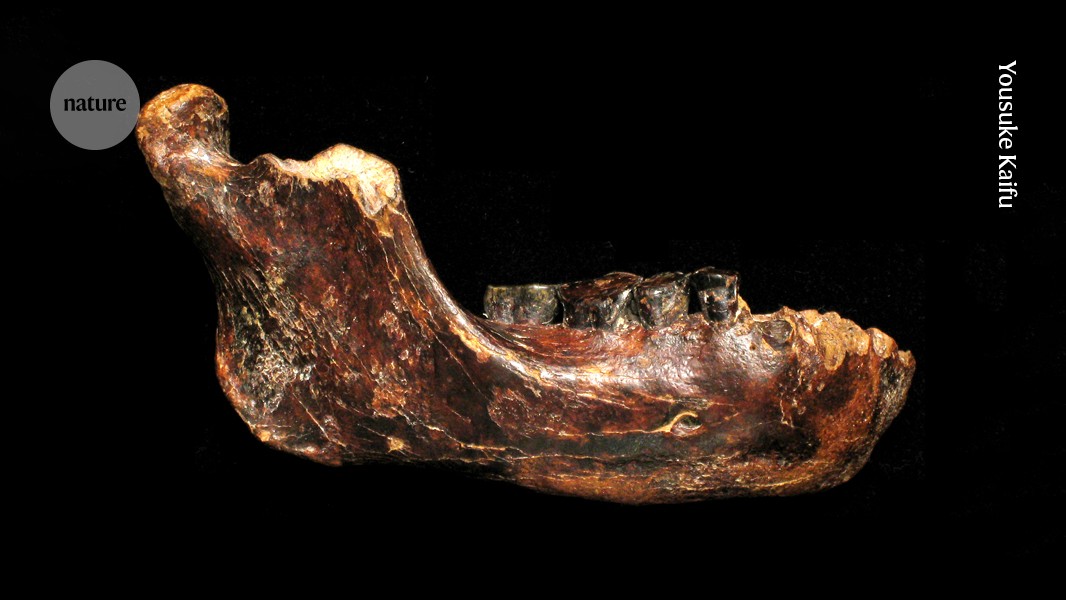
A comprehensive study published in Nature on September 9 details the discovery of seven hominin fossils and over 1,300 stone and bone tools at Bianfu Cave in Yunnan, China. Although no ancient DNA was preserved, researchers used amino acid variants (proteomics) to confirm that three bones and two teeth belonged to Denisovans. This site represents the richest single-site Denisovan find to date, documenting a 120,000-year record of subsistence strategies, including deer hunting and the use of simple stone tools alongside specialized bone artifacts.
Titanosaur Nesting Grounds Found in Patagonia
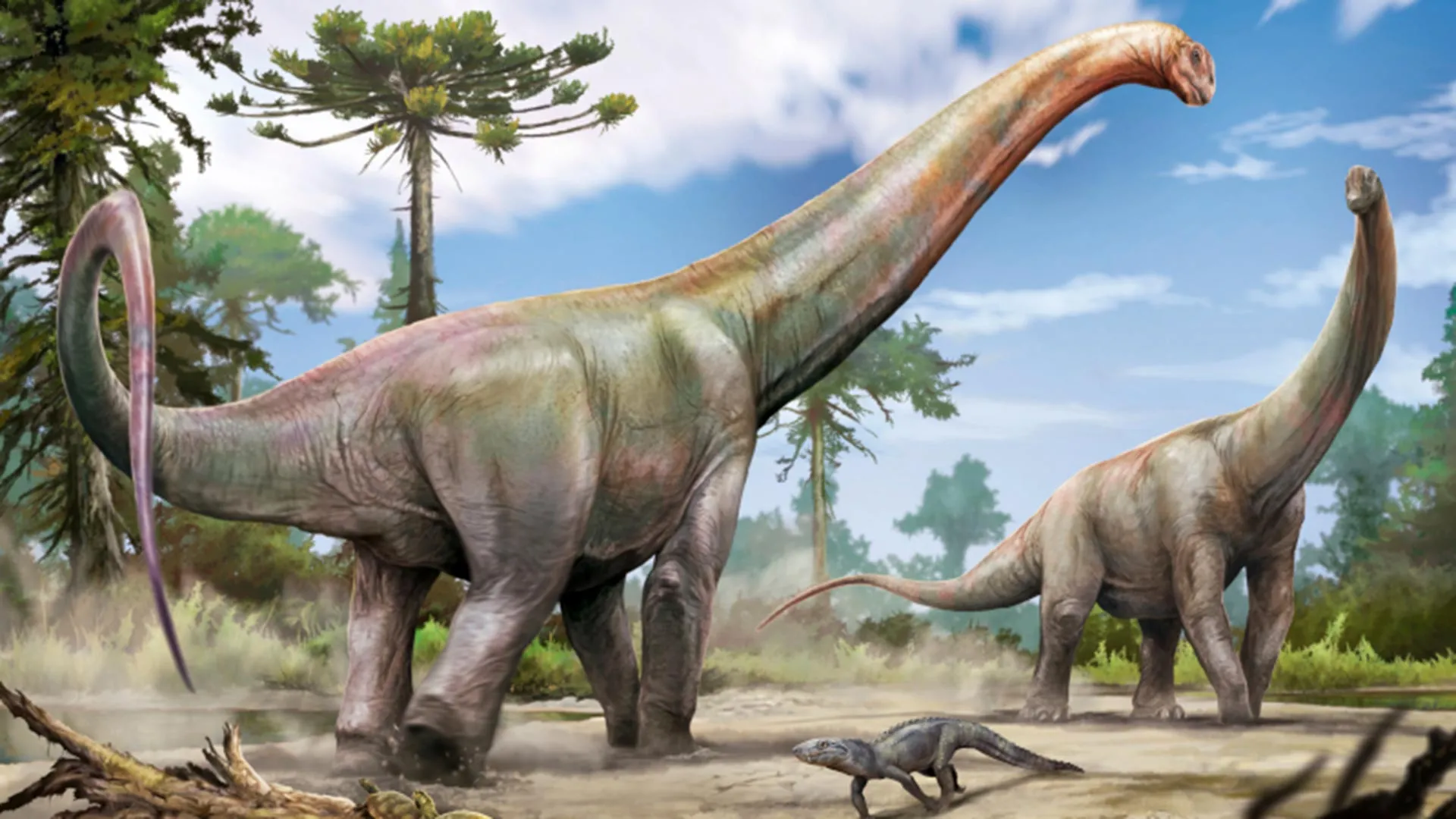
Paleontologists in Santa Cruz Province, Argentina, discovered a concentration of 255 titanosaur eggshell fragments dating back 68 million years. The findings, published in Royal Society Open Science, reveal that these giant dinosaurs nested in high-latitude, cold environments far from the equator. The arrangement of the nests suggests a communal incubation strategy that allowed the largest terrestrial animals ever known to reproduce successfully in cooler climates with limited sunlight.

New Giant Dinosaur Discovered in Brazil
Scientists have described a new giant dinosaur species from Maranhão State, Brazil, which lived approximately 120 million years ago and reached about 20 meters in length. The fossil, found beneath a construction site, exhibits surprising evolutionary ties to a Spanish dinosaur. This connection suggests that ancestors of this species crossed ancient land bridges between Europe, Africa, and South America, challenging previous models of dinosaur dispersal across the Atlantic.
First Adult T. Rex Footprints Identified
Researchers have identified the first known fossilized footprints of an adult Tyrannosaurus rex from the Hell Creek Formation in North Dakota. The trackway, dating to 66 million years ago, provides direct evidence of continuous locomotion in large theropods. The team used high-resolution 3D scanning to analyze the stride patterns, offering new data on how these massive predators moved and interacted with their environment.

Local view
In Argentina, local media outlets such as Infobae and El Cronista have highlighted the Patagonian titanosaur discovery as a major contribution to understanding global dinosaur biogeography. El Cronista emphasized that finding nesting sites in southern latitudes "rewrites the history" of how these giants survived in cold, dark conditions. Meanwhile, in Spain, 20minutos reported on a separate study from the Field Museum involving a feather found in a coprolite (fossilized dung), suggesting new links between feather evolution and diet in non-avian dinosaurs.
Context & numbers
The Bianfu Cave excavation yielded seven confirmed Denisovan fossils and 1,300 associated tools, covering a timeline of 120,000 years. In contrast, the Patagonian site provided 255 eggshell fragments from a single nesting horizon. The Brazilian dinosaur specimen is estimated at 20 meters in length. These discoveries underscore the growing importance of protein-based identification methods in regions where DNA degradation is severe, such as tropical and high-latitude zones.
On the radar
- Exhibition Closing: The "T-Rex: King of Dinosaurs" exhibition at the National Natural History Museum in Beijing is closing in approximately 29 days as of mid-September, featuring a real skeleton named "Letina." This event continues to drive public interest in large theropod anatomy.
- Protein Preservation Studies: Following recent claims of collagen preservation in 66-million-year-old bones, further peer-reviewed analyses are expected to clarify whether original organic molecules can survive tens of millions of years, potentially revolutionizing molecular paleontology.
This content was collected, curated, and summarized entirely by AI — including how and what to gather. It may contain inaccuracies. Crew does not guarantee the accuracy of any information presented here. Always verify facts on your own before acting on them. Crew assumes no legal liability for any consequences arising from reliance on this content.
Powered by
