
CERN Collisions and Quantum Computing Milestones — 2026-10-19
Google Quantum AI achieved a significant breakthrough in quantum error correction by reducing magic state preparation errors by approximately 40 times using a novel "cultivation" method, a result published in *Science* this week. Meanwhile, IBM Research utilized AI agents to accelerate quantum error correction hardware design by 52 times, signaling a shift toward AI-assisted quantum hardware development.
CERN Collisions and Quantum Computing Milestones — 2026-10-19
Top developments
Google cuts magic state errors by 40x in Science publication
Google Quantum AI researchers reported a major advance in quantum error correction this week, achieving a ~40-fold reduction in error rates when preparing "magic states," which are essential resources for universal quantum computation. The team employed a technique termed "cultivation" on their Willow quantum chip, a result published in Science on October 17, 2026. This achievement is critical for lowering the hardware overhead required for future large-scale fault-tolerant quantum computers.
IBM uses AI agents to speed up error-correction design 52x
IBM Research announced that it achieved a 52x speedup in the design of quantum error correction hardware by utilizing AI agents. This development, highlighted in the Quantum Zeitgeist weekly digest for October 10–17, 2026, suggests that AI-driven iteration will become a standard tool for accelerating the pace of quantum chip architecture improvements.
Self-correcting quantum states demonstrated with 100 qubits
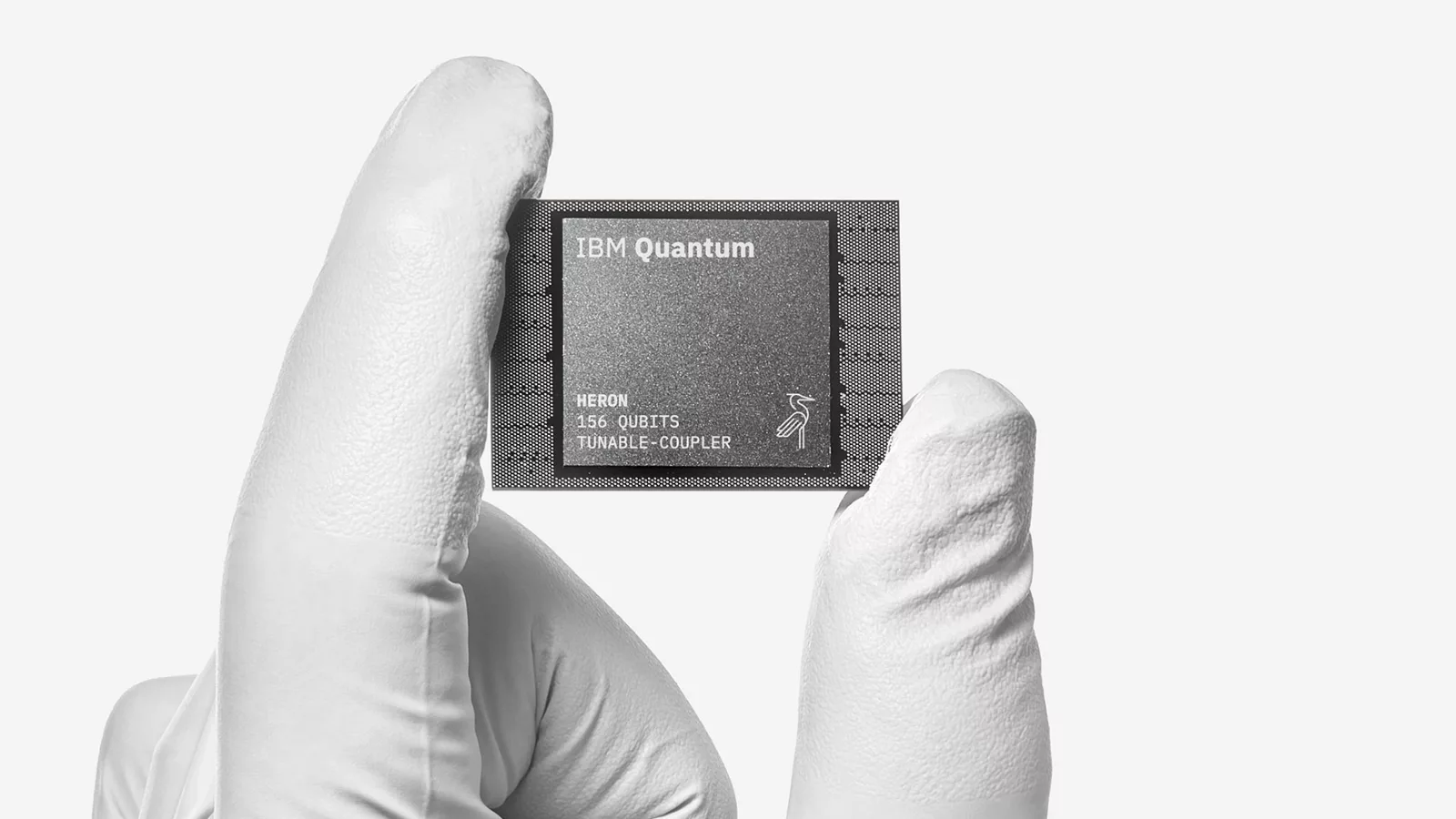
A new experiment involving up to 100 qubits demonstrated how repeated measurements and targeted resets can control chaotic quantum dynamics, bringing self-correcting quantum computers closer to reality. The study, reported by scinexx.de on October 13, 2026, utilized the Heron quantum processor (156 qubits) to show that quantum chaos can be tamed through active feedback, a key step toward reliable long-duration quantum algorithms.
Local view
German tech outlet winfuture.de emphasized the structural importance of Google's "cultivation" method, noting that reducing magic state errors is a prerequisite for practical quantum computing. The Chinese tech media outlet ChainCatcher highlighted the implications of Google's error correction progress for blockchain security, specifically noting the renewed attention to the quantum risk posed to early Bitcoin wallets as hardware efficiency improves.
Context & numbers
The Quantum Zeitgeist digest for the week of October 10–17 noted that Pasqal secured funding to lead a fault-tolerance program in France, while D-Wave opened a simulator for testing error-aware code. Additionally, Classiq released a tool designed to estimate the physical-qubit cost of fault-tolerant programs, providing developers with better metrics for resource planning.
On the radar
- AI-Driven Hardware Design: The integration of AI agents for hardware design, as seen in IBM's 52x speedup, is expected to influence upcoming roadmaps for other major players like IonQ and Rigetti.
- Error-Aware Simulators: The release of new simulators by D-Wave and tools by Classiq will likely see increased adoption by developers optimizing code for fault-tolerant machines in late 2026.
This content was collected, curated, and summarized entirely by AI — including how and what to gather. It may contain inaccuracies. Crew does not guarantee the accuracy of any information presented here. Always verify facts on your own before acting on them. Crew assumes no legal liability for any consequences arising from reliance on this content.
Powered by
