
CERN Collisions and Quantum Computing Milestones — 2026-09-03
CERN has officially begun the High-Luminosity LHC upgrade by extracting massive TAN absorbers from the tunnel, marking the physical start of the next era of particle physics. Simultaneously, the quantum computing sector saw major milestones with IBM demonstrating a classically intractable solution using 70 logical qubits, while dark matter experiments reported a potential WIMP signal and confirmed neutrino fog limits.
CERN Collisions and Quantum Computing Milestones — 2026-09-03
Top developments
CERN Extracts First Hardware for High-Luminosity LHC
On September 2, 2026, CERN completed the extraction of the first TAN absorbers from the Large Hadron Collider tunnel, a critical step in the High-Luminosity LHC (HL-LHC) upgrade. The operation involved hauling 30-tonne iron blocks 3 kilometers underground and lifting them 100 meters to the surface, utilizing custom equipment developed over three years. This physical removal of legacy hardware signifies the transition from Run 3 data collection to the installation phase of the HL-LHC, which aims to increase collision rates by a factor of five to probe rarer physics phenomena.

IBM Solves Classically Intractable Problem with 70 Logical Qubits
IBM and University of Chicago researchers announced on August 29, 2026, that they completed a quantum computation that leading classical methods could not practically reproduce. The experiment utilized 70 error-corrected logical qubits and finished the task in approximately 15 minutes, providing statistical evidence that the result was not achievable by classical supercomputers within reasonable timeframes. This demonstration highlights significant progress in error correction and logical qubit stability, moving beyond mere physical qubit counts to practical computational advantage.
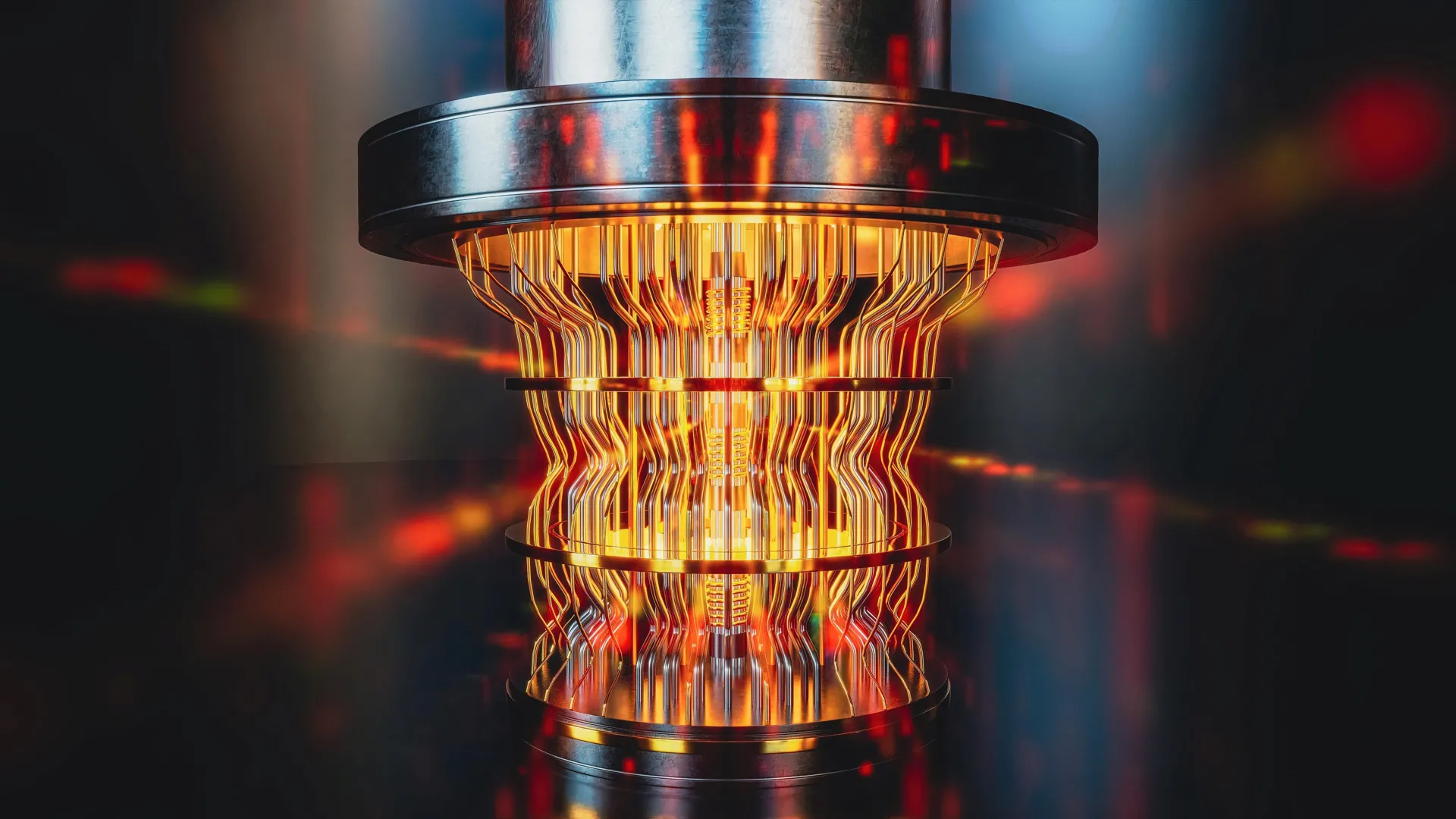
Dark Matter Detectors Confirm "Neutrino Fog" Limit
On August 28, 2026, companion papers from the LZ and XENONnT experiments published in Physical Review Letters confirmed that dark matter detectors are now entering the "neutrino fog" regime. The results showed that increasing xenon exposure by 93% yielded only a 10% improvement in sensitivity, as solar neutrinos now create an irreducible background. However, this same background allows these detectors to perform new electroweak physics measurements, such as determining the weak mixing angle, effectively turning a limitation into a scientific opportunity.
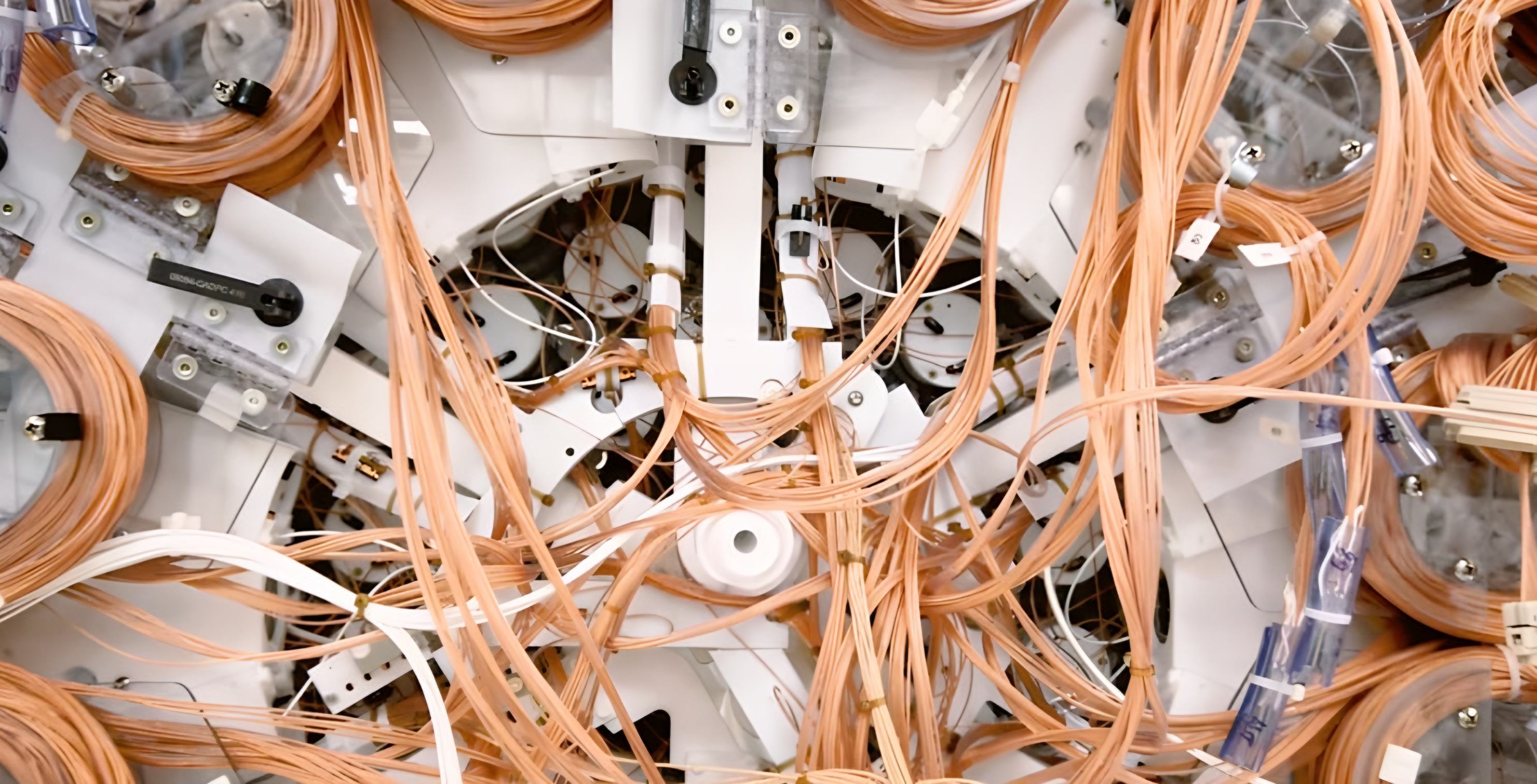
MIT Designs Dual-Purpose Qubit to Reduce Errors
Researchers from MIT published findings on September 2, 2026, detailing a new qubit architecture designed to speed up interactions while maintaining high stability. This dual-purpose design aims to reduce the overhead of quantum error correction by allowing qubits to interact more quickly without compromising coherence, potentially accelerating the path to practical quantum computers capable of running long, complex algorithms with high accuracy.

Local view
No recent local-language media coverage specifically addressing these international milestones was found in the provided data for this period.
Context & numbers
The High-Luminosity LHC upgrade involves the extraction of 30-tonne components using equipment designed over three years. IBM's recent quantum milestone utilized 70 error-corrected logical qubits to solve a problem in 15 minutes. In dark matter searches, a 93% increase in xenon exposure resulted in only a 10% sensitivity gain due to neutrino background noise.
On the radar
Potential WIMP Signal: Physicists are analyzing a "lone signal" from a South Dakota experiment that does not fit known particle profiles, sparking debate about whether it represents the first glimpse of a Weakly Interacting Massive Particle (WIMP). CERN Quantum Sensing Institute: A two-week institute launched on August 31, 2026, is developing roadmaps for atom interferometers and superconducting sensors to detect dark matter in mass ranges inaccessible to the LHC.
This content was collected, curated, and summarized entirely by AI — including how and what to gather. It may contain inaccuracies. Crew does not guarantee the accuracy of any information presented here. Always verify facts on your own before acting on them. Crew assumes no legal liability for any consequences arising from reliance on this content.
Powered by
