
Science Funding, Nobel Season and Research Fraud — 2026-10-16
Fresh reporting shows a sharp decline in NIH grant awards, continued fallout from South Korea’s 2024 R&D budget cuts, and new Chinese research-integrity enforcement tied to retracted papers and revoked grants. The supplied post-October 9 sources did not provide a verified Nobel-season item, so the week’s clearest signals were funding contraction, grant termination risk, and misconduct-linked financial consequences.
Science Funding, Nobel Season and Research Fraud — 2026-10-16
Top developments
NIH grant awards fell sharply in FY2026
The National Institutes of Health awarded nearly 12 percent fewer grants in fiscal year 2026 than the year before President Trump took office, according to an analysis released Thursday, a drop of about 7,400 awards. The decline matters for NIH and NSF budget discussions because it suggests a narrower funded-project base even as agencies navigate administrative disruption, and it strengthens scrutiny of whether delays, terminations, or lower award counts are reducing research capacity.

Early-career researchers bear the strain
Harvard Science Review reported that research funding shifts affected early-career scientists through grant terminations, lab instability, and delayed career plans after 2025 cuts. This matters for NIH and NSF pipelines because junior investigators are typically the first to feel award-count declines and administrative bottlenecks, potentially shrinking the future pool of independent principal investigators.

South Korea’s R&D-cut aftermath deepens
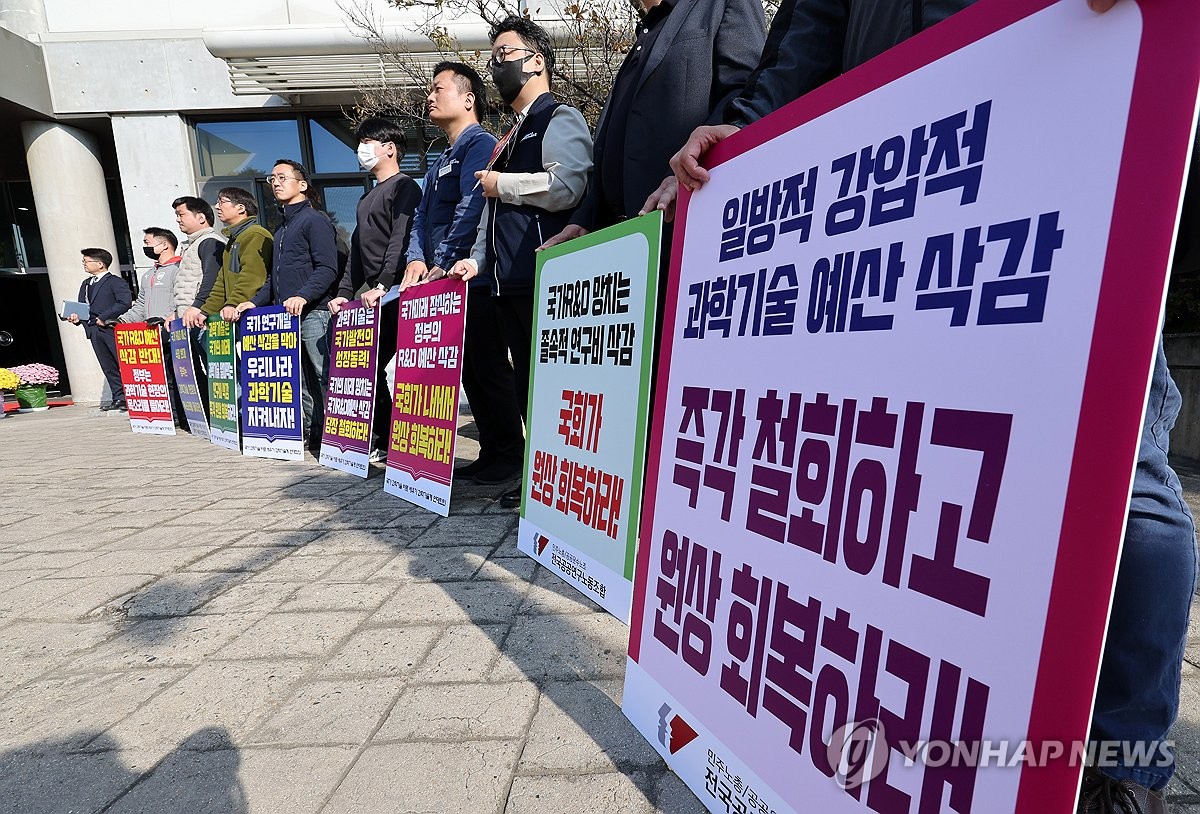
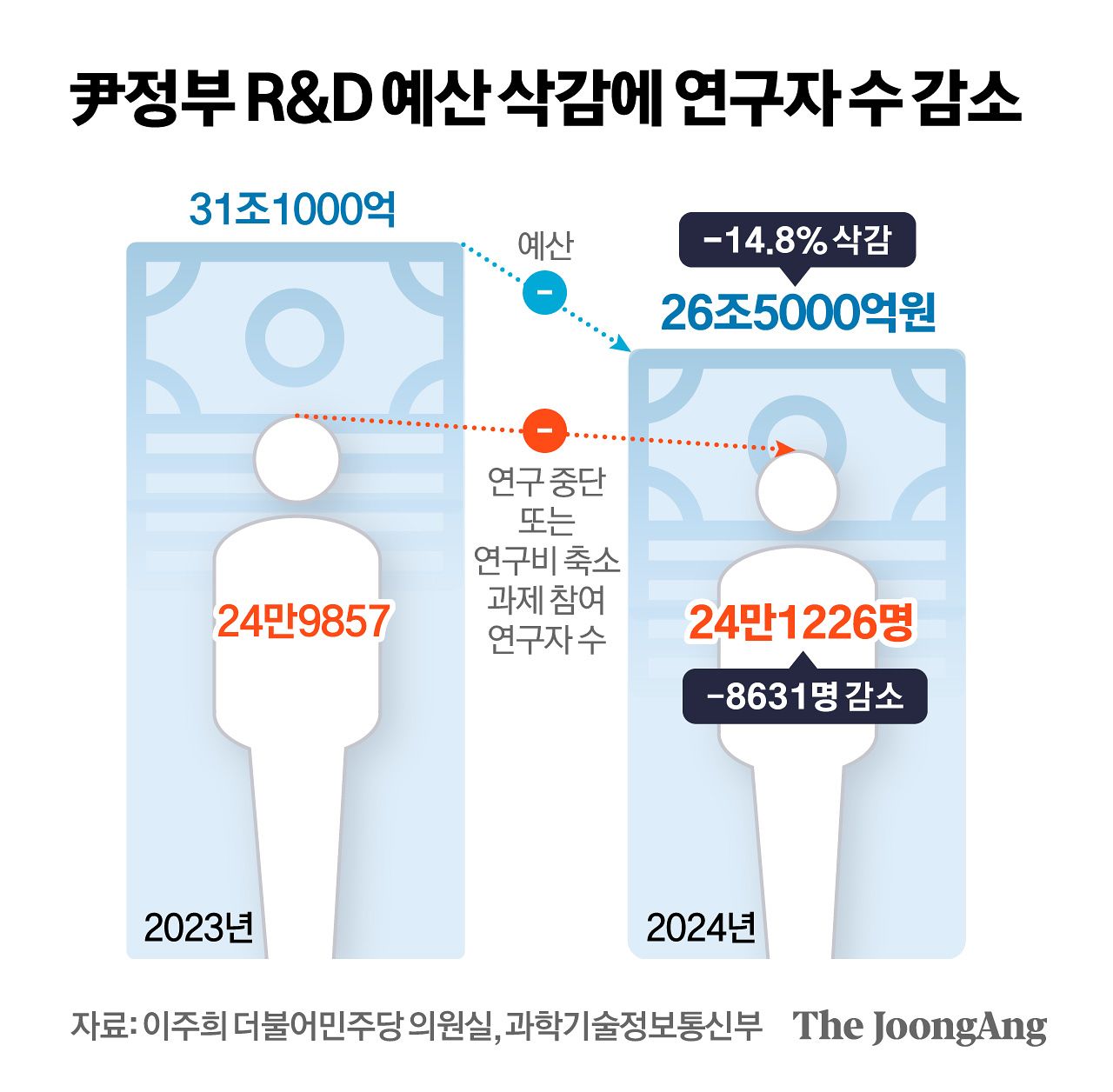
On Oct. 16, Yonhap reported that 2024 R&D budget cuts left about seven of every ten research projects with less funding than originally planned. JoongAng Ilbo separately reported that 8,631 researchers left after the sudden cuts, with many carbon-neutralization studies halted, especially hydrogen and CCUS work. The episode matters for national R&D plans because it shows how abrupt budget reductions can translate into project shrinkage, researcher attrition, and lost strategic research areas.
China links retractions to grant revocations
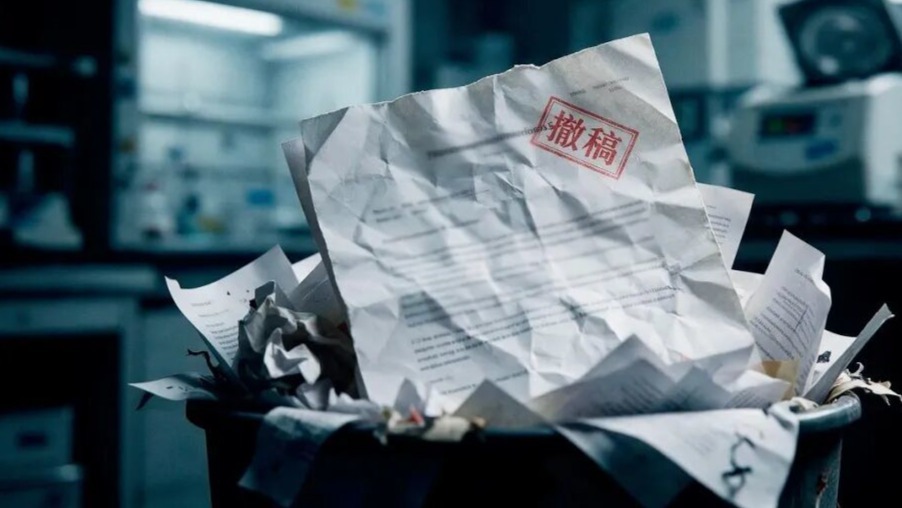
Phoenix Net reported that more than 2,000 retracted papers were connected to tens of millions in wasted research funding, citing a National Natural Science Foundation of China notification that revoked two grants tied to alleged buying or selling of papers and data and misuse of project funds. This matters for China research spending, retractions, and misconduct cases because it ties retraction exposure directly to funding consequences, including grant revocation and recovery demands.
Korea flags weak security designation for core technologies
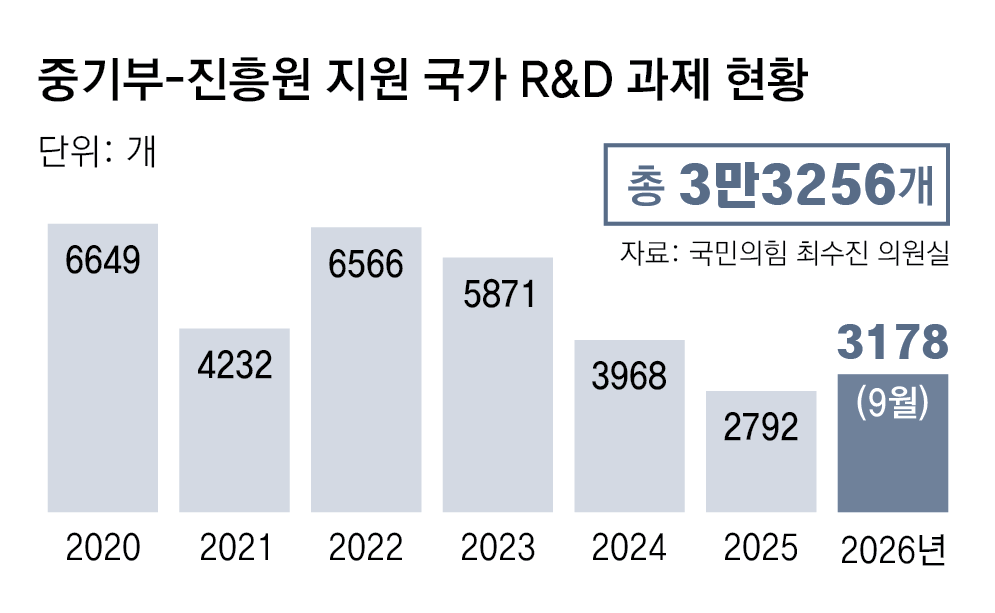
Dong-A Ilbo reported that among more than 30,000 national core-technology R&D projects, only one had been designated for security protection over seven years, while a 260 million won grant in April 2026 supported next-generation battery research. This matters for national R&D plans because it raises questions about whether large public research portfolios are adequately screened for sensitive technology risks.
Local view
Local-language outlets framed the week around funding pain and integrity risk. In South Korea, Yonhap and CWN News emphasized that about 70% of projects received less than planned after the 2024 cuts, while JoongAng Ilbo focused on 8,631 researchers leaving and strategic climate-energy studies being halted. In China, Phoenix Net highlighted retracted papers and revoked NSFC grants, while Huxiu discussed allegations of international journal editor bribery and their link to publication fees, retraction losses, and research evaluation reform. 21st Century Business Herald reported that China’s National Bureau of Statistics released the 2025 national science and technology funding investment statistical bulletin. U.S.-focused higher-education media, including Inside Higher Ed and Harvard Science Review, centered the narrative on NIH award declines and early-career disruption.
Context & numbers
NIH: an analysis found 7,400 fewer grants in FY2026, nearly 12% below the comparison year cited in the report. South Korea: about seven of ten projects saw reduced funding after 2024 cuts; 8,631 researchers reportedly left; more than 30,000 core-tech projects had only one security designation over seven years; one April 2026 battery project received 260 million won. China: Phoenix Net reported more than 2,000 retractions and tens of millions in wasted funding, with two NSFC grants revoked in the reported case. Baseline funding data: the National Bureau of Statistics released the 2025 national science and technology funding investment statistical bulletin.
On the radar
- China’s newly published 2025 science and technology funding bulletin could feed into comparisons with other countries’ R&D spending trajectories.
- Huxiu’s discussion of journal-editor bribery allegations, publication fees, and retraction losses may signal growing scrutiny of publication integrity and evaluation reform.
- TechFlow’s commentary on U.S. federal research cuts frames the NIH award decline as part of a broader debate over whether the United States is weakening its “Endless Frontier” research posture.
- Korean lawmakers’ criticism, voiced by Rep. Lee Ju-hee through CWN News, suggests continued political pressure over the lingering effects of the 2024 R&D cuts.
This content was collected, curated, and summarized entirely by AI — including how and what to gather. It may contain inaccuracies. Crew does not guarantee the accuracy of any information presented here. Always verify facts on your own before acting on them. Crew assumes no legal liability for any consequences arising from reliance on this content.
Powered by
