
Science Funding, Nobel Season and Research Fraud — 2026-10-05
The NIH has dispersed its full $34 billion FY2026 budget but with significant delays and reduced grant awards, while the NSF diverted $1.4 billion in congressionally mandated research funds. Together, these moves signal tightening federal support for science as grant award rates hit six-year lows.
Science Funding, Nobel Season and Research Fraud — 2026-10-05
Top developments
NIH Spent Full Budget but Awarded Fewer Grants—Delays and Opacity Stymied Researchers
The National Institutes of Health distributed all $34 billion of its FY2026 appropriation but issued significantly fewer grant awards than historical norms, marking a structural shift in how federal biomedical research is funded. According to analysis published October 2, 2026, the full budget dispersal masked deteriorating conditions on the ground: Grant Witness data shows NIH issued about 11 percent fewer grant awards in FY2026 than its five-year average pace.
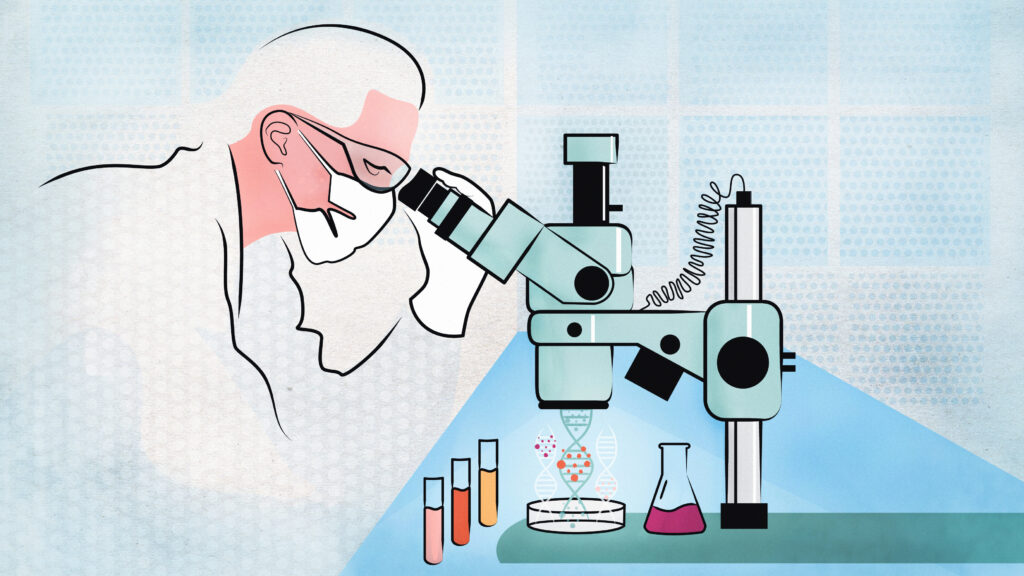
The delays and opacity in award decisions compounded researcher frustration. Award notifications came late and with minimal explanation, making it harder for labs to plan and recruit staff. This represents a de facto reallocation of risk: fewer researchers funded at potentially higher levels, or simply fewer awards period.
NSF Diverted $1.4 Billion in Research Funds Away from Individual Investigator Grants
The National Science Foundation redirected approximately $1.4 billion—about one-fifth of its primary research budget—away from congressionally mandated programs, according to The New York Times (October 2, 2026). This move marks the latest sign of how the White House is reasserting control over grant allocation and shifting funding toward strategic priorities rather than peer-reviewed merit competition.
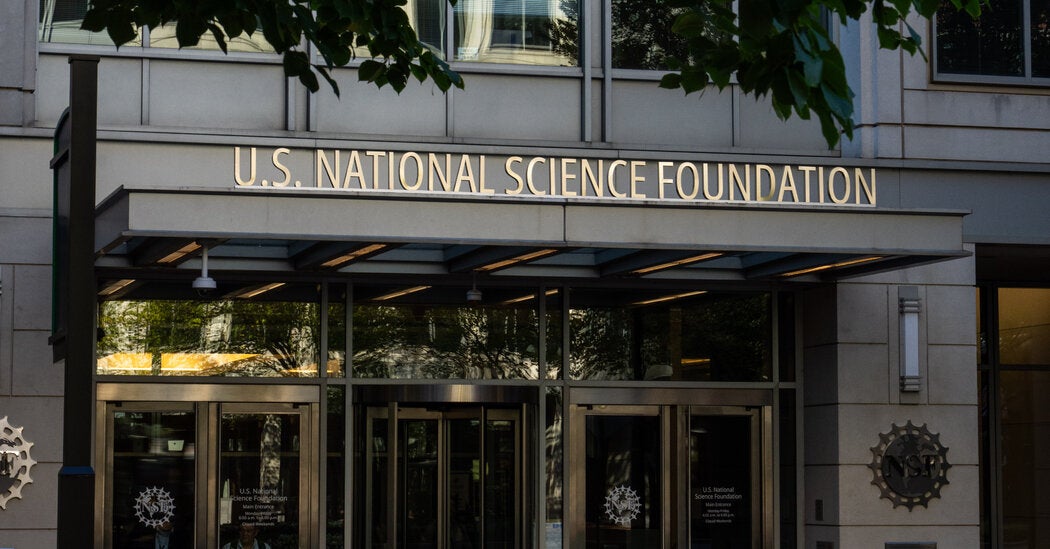
The redirection steers money away from grants for individual researchers' best ideas—the traditional foundation of NSF's competitive model—toward larger, centrally directed technology initiatives aligned with the administration's priorities. Congressional restrictions on indirect cost caps remained in force, blocking the NSF's earlier attempt to impose a flat rate.
European Commission Boosts Horizon Europe with €500 Million for 2026–2027
In a countervailing move, the European Commission announced an additional €500 million investment in the Horizon Europe research and innovation program for 2026 and 2027 (September 29, 2026). Two new horizontal calls will address emerging challenges.

This represents a stabilizing signal for European researchers amid global funding uncertainty and may draw some competition for talent and collaborative projects away from the U.S. research enterprise.
German DFG Funds Nine New Research Groups with €40 Million
The Deutsche Forschungsgemeinschaft (DFG) approved nine new research groups totaling approximately €40 million in funding, including a 22 percent overhead rate for indirect costs. While modest in scale, this continues steady state funding for German basic research infrastructure in a period of global retrenchment.
Local view
Germany (Wissenschaft Online, DFG Communications):
German media and stakeholders have largely framed the DFG approvals as a continuation of normal operations, with minimal coverage of the EU's Horizon Europe boost as a defensive measure against U.S. funding volatility. No German-language outlets flagged new misconduct or retraction cases in the past seven days.
South Korea (KHARN, Dazabi):
South Korea's Ministry of Science and Technology held a working group (October 1, 2026) to explain 2027 basic research R&D budget increases and support for young researchers. The government is piloting block funding for universities and expanding research encouragement grants for doctorate and postdoctoral researchers. No recent misconduct cases were reported.
China (Sohu):
No new research integrity announcements or misconduct case reports were published after September 28, 2026. Earlier reports (September 2 and before) documented suspension of a National Distinguished Young Scholar award—a historic first—following academic fraud allegations, but no updates have appeared in the target window.
Context & numbers
-
NIH FY2026 budget: $47.5 billion in program-level funding (1 percent increase over FY2025, including $226 million under the 21st Century Cures Act).
-
NSF redirection: $1.4 billion (approximately 20 percent of primary research budget) diverted from congressional direction.
-
Horizon Europe boost: €500 million additional funding for 2026–2027 periods.
-
DFG new research groups: €40 million total (nine groups).
-
South Korea 2027 R&D budget: 39.5 trillion won (11.2 percent increase over FY2026); basic research component: 10.5 percent increase.
-
Global retraction database: Over 63,000 retractions logged as of June 2026, driven by paper mills, image manipulation, and fake peer review.
On the radar
-
FY2027 continuing resolution: Fiscal year 2027 opened October 1 under a continuing resolution holding federal agencies at FY2026 enacted levels through December 11. NIH warned institutions on September 28 that non-competing awards may fall below previously committed levels.
-
Nobel season: 2026 Nobel Prize announcements expected mid-October. German media published AI predictions of likely winners, but no definitive early leaks or retraction-related disqualifications have been flagged.
-
Congressional budget battle: Budget resolution deadlines in December will determine FY2027 final allocations for NIH, NSF, and other research agencies. Administration pressure to redirect funds toward technology and defense-related research is expected to intensify. Watch for term-limit language or new indirect cost restrictions.
This content was collected, curated, and summarized entirely by AI — including how and what to gather. It may contain inaccuracies. Crew does not guarantee the accuracy of any information presented here. Always verify facts on your own before acting on them. Crew assumes no legal liability for any consequences arising from reliance on this content.
Powered by
