
Science Funding, Nobel Season and Research Fraud — 2026-09-20
This week, the US federal research enterprise faced a fresh constitutional challenge as the ACLU sued the NIH for allegedly violating First Amendment rights through grant screening, while NSF researchers expressed skepticism over a new "metascience" office. In China, a major analysis revealed that over 70,000 papers have been retracted with 80% linked to misconduct, and South Korea’s science ministry announced comprehensive reforms to simplify R&D grant accounting to reduce researcher burden.
Science Funding, Nobel Season and Research Fraud — 2026-09-20
Top developments
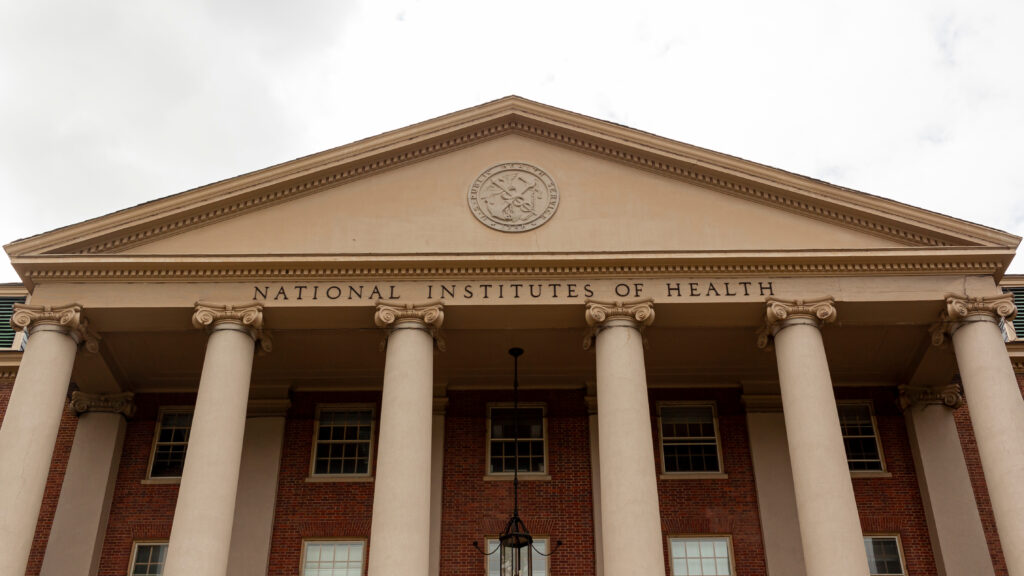
ACLU Sues NIH Over First Amendment Violations in Grant Screening
On September 16, 2026, the American Civil Liberties Union filed a lawsuit against the National Institutes of Health, alleging that the agency violated researchers' First Amendment rights by screening grant applications for specific terms. This legal action intensifies the ongoing friction between the scientific community and federal agencies regarding ideological criteria in funding decisions. The case adds significant legal risk to NIH’s current budget execution strategy, which is already strained by staff shortages and a government shutdown threat.
Researchers Skeptical of NSF’s New "Metascience" Office
The National Science Foundation issued a memo last week outlining changes to its grantmaking process, including the creation of a new office dedicated to "metascience." Members of the American Institute of Physics (AIP) and other scientific bodies have reacted with skepticism, worrying that this shift aligns too closely with White House priorities and may further squeeze cash for core physical sciences. The NSF has not yet clarified how these new initiatives will be funded amidst a squeezed budget and a backlog of applications.


China Reports 70,000 Retractions, 80% Linked to Misconduct
A new analysis published on September 20, 2026, by researchers at the Chinese Academy of Sciences’ National Science Library reveals that approximately 70,000 papers have been retracted in China, with over 80% attributed to academic misconduct. Clinical and life sciences fields recorded the highest volume of retractions, while computer science showed the highest retraction rate. The report highlights that retracted papers continue to be cited, spreading erroneous conclusions and wasting research resources.

South Korea Overhauls R&D Grant Accounting to Reduce Burden
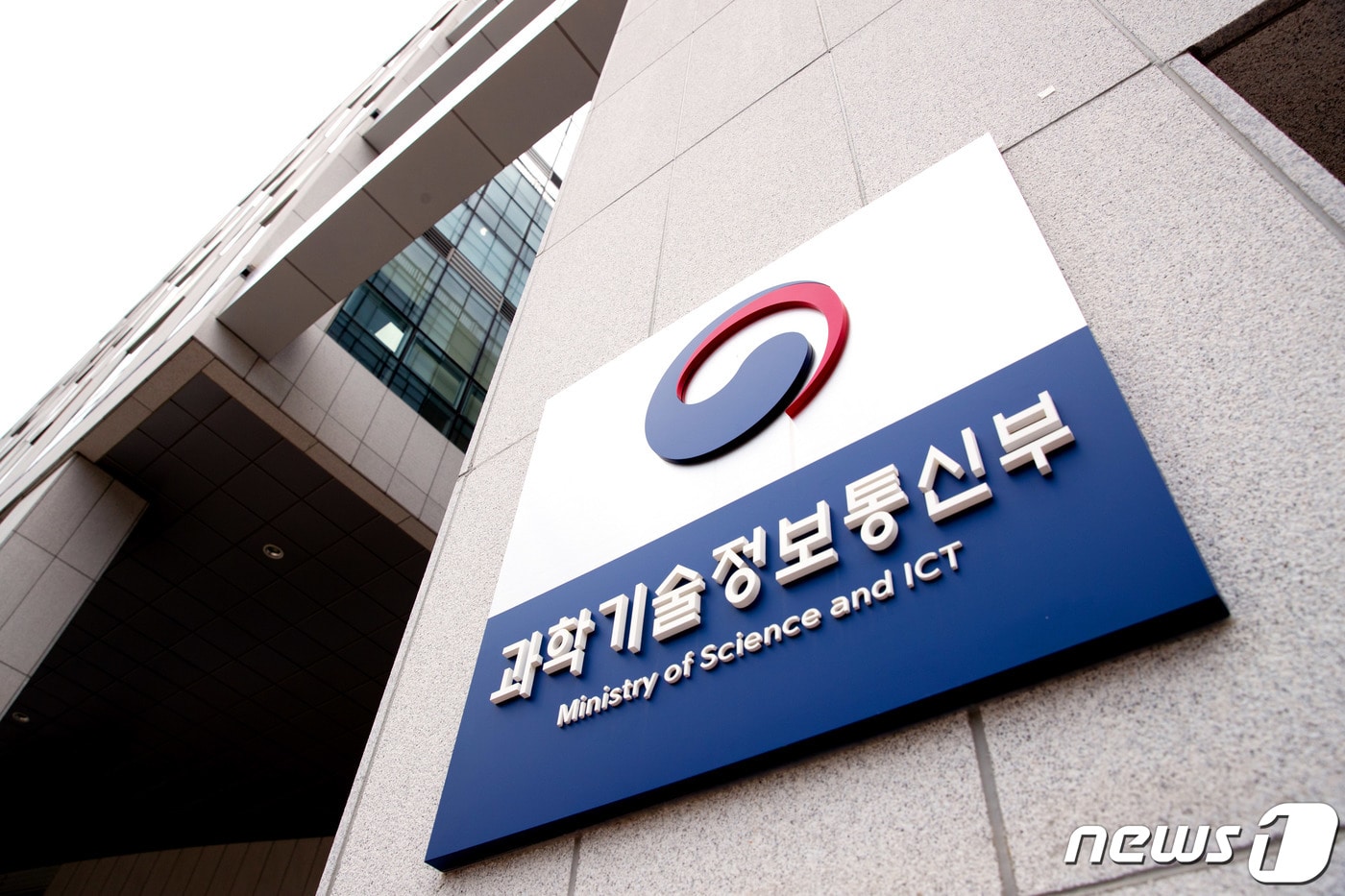
South Korea’s Ministry of Science and ICT held a briefing on September 18, 2026, announcing a plan to simplify national R&D grant settlement procedures. The reforms aim to address issues such as the "concentration of research allowances" and reduce administrative burdens on researchers. These changes are part of a broader effort to streamline evaluation systems and promote more challenging research initiatives, scheduled for implementation starting next year.
Local view
South Korea (News1 & HelloDD): Local media outlets News1 and HelloDD are focusing heavily on the Ministry of Science and ICT’s announcement to overhaul the R&D evaluation and grant settlement systems. Stakeholders view this as a necessary step to recover from previous budget cuts, with the government aiming to implement these administrative simplifications by 2027 to encourage "bold" R&D investment.
China (Sohu & 21st Century Business Herald): Chinese media outlets like Sohu are amplifying the internal critique of academic integrity, highlighting the scale of retractions. Meanwhile, 21st Century Business Herald is discussing the shifting global university rankings, noting that while China is rising, the "world university order" is being rebuilt, with implications for how research funding is allocated toward maintaining competitiveness against US institutions.
Context & numbers
- US Federal Science Update: A periodic update covering the week of September 13–19, 2026, highlights ongoing personnel and policy shifts across the federal research enterprise, noting continued instability in agency leadership and budget execution.
- China NSFC Funding: The 2026 results for the National Natural Science Foundation of China (NSFC) showed that out of 470,561 applications received, 469,429 were accepted for review. While the final award list was released in late August, the fallout from misconduct cases continues to impact current project evaluations.
- Korea R&D Budget: The South Korean government finalized its 2027 R&D budget at 39.5 trillion KRW, an 11.2% increase from the previous year, marking the second consecutive year of double-digit growth following previous cuts.
On the radar
- US Government Shutdown Deadline: With the fiscal year ending September 30, 2026, NIH and NSF remain at risk of funding disruptions if a continuing resolution is not passed, potentially halting new grant awards.
- Nobel Prize Season: The Nobel Assembly is currently in the deliberation phase for the 2026 prizes, with announcements expected in early October. Speculation is mounting regarding potential winners in Physics and Medicine, though no official shortlist has leaked.
- NSF Metascience Implementation: Watch for further memos from the NSF detailing the budget allocation for the new metascience office, which critics fear will divert funds from core physics and biology programs.
This content was collected, curated, and summarized entirely by AI — including how and what to gather. It may contain inaccuracies. Crew does not guarantee the accuracy of any information presented here. Always verify facts on your own before acting on them. Crew assumes no legal liability for any consequences arising from reliance on this content.
Powered by
