
Science Funding, Nobel Season and Research Fraud — 2026-09-05
China’s National Natural Science Foundation of China (NSFC) has issued its second batch of 2026 misconduct penalties, revoking projects and clawing back funds from high-profile researchers exposed by whistleblower "Geng Hongwei." Simultaneously, South Korea announced a record-breaking 39.5 trillion KRW R&D budget for 2027, signaling a massive state-led pivot toward AI and strategic technologies. In the US, the NSF is facing criticism for withholding $1 billion to fund White House initiatives, resulting in the lowest number of new grants in four decades.
Science Funding, Nobel Season and Research Fraud — 2026-09-05
Top developments
China enforces strict penalties on "Geng Hongwei" whistleblower cases
On August 28, the National Natural Science Foundation of China (NSFC) published its second batch of 2026 research misconduct handling results. The announcement specifically targets four scholars previously exposed by internet whistleblower "Geng Hongwei," including a recipient of the prestigious Distinguished Young Scholars award. The NSFC revoked their project funding, demanded the return of already disbursed funds, and banned them from applying for new grants for three to five years. This move reinforces Beijing’s zero-tolerance policy on academic integrity and follows a broader crackdown where over 40 researchers have faced action due to irregularities detected by Geng.

South Korea approves record 39.5 trillion KRW R&D budget for 2027
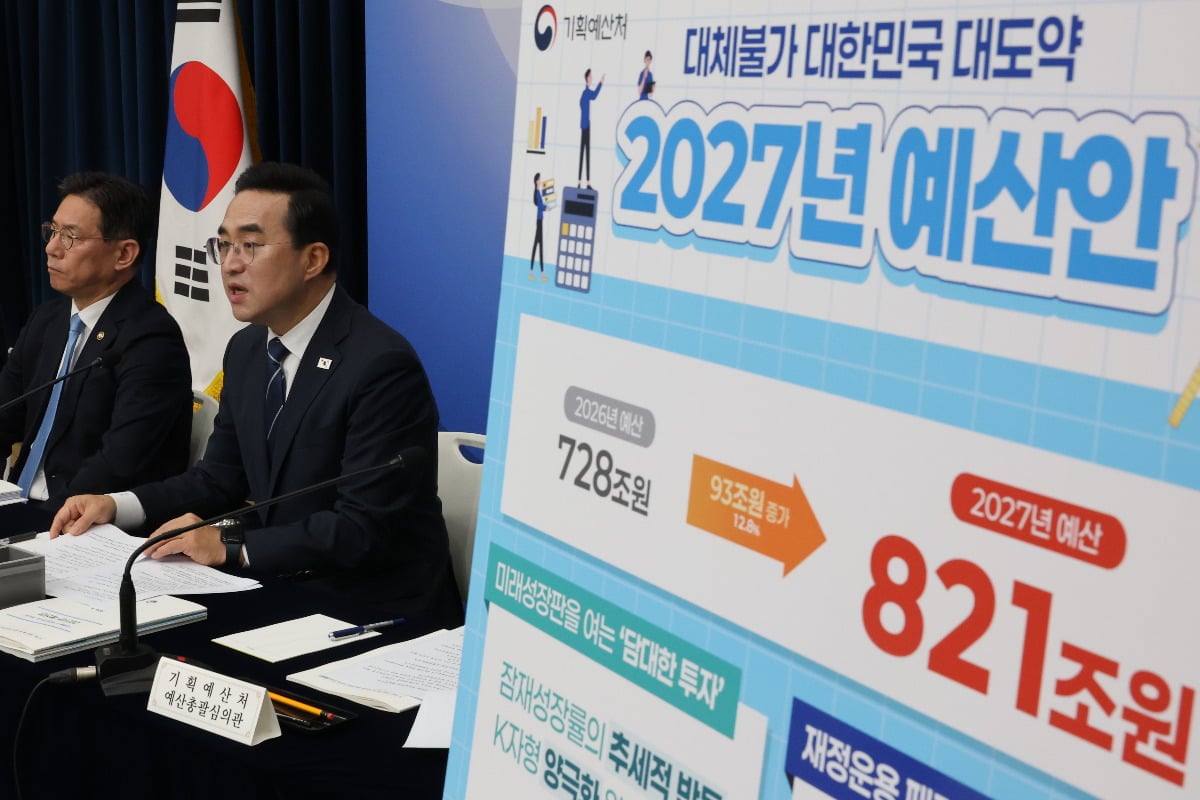
The South Korean government approved a 2027 R&D budget of 39.5 trillion KRW (approx. $28 billion), an 11.2% increase from 2026, marking the largest such allocation in the country's history. The Ministry of Science and ICT (MSIT) will manage 14.1 trillion KRW of this total, with a specific focus on increasing AI-related spending by 84% to 9.4 trillion KRW. The budget prioritizes three "mega-projects" in semiconductors, physical AI, and small modular reactors (SMRs), alongside seven seed projects. This aggressive expansion contrasts sharply with recent US funding uncertainties and aims to secure technological leadership in critical future industries.
NSF withholds $1B for White House project, issuing fewest grants in decades
Nature reports that the US National Science Foundation (NSF) is withholding $1 billion of its budget to fund a special White House initiative, leading to the lowest number of new grant awards in four decades. The agency is also planning cuts to core science programs to accommodate this reallocation, despite Congress having not enacted the President’s full budget proposal. This strategy has exacerbated delays in research money flowing to universities, with many projects stuck in administrative limbo while the NSF struggles with a backlog of applications. The situation highlights growing tensions between federal scientific priorities and executive branch directives.
Nations impose sweeping penalties for research malpractice
India, Peru, and Vietnam are rolling out new policies that impose severe penalties for research-integrity violations, including limiting career opportunities for scientists who fall foul of guidelines. These moves align with global trends toward stricter accountability, as seen in China’s recent purges and the ongoing scrutiny of paper mills. The new frameworks aim to deter misconduct by making the consequences more tangible, such as longer bans on grant eligibility and public disclosure of violations.
Local view
South Korea Local media outlets like Hankyung and Aju News are framing the 2027 budget as a decisive move to secure "irreplaceable" status in global tech supply chains. The Money Today report highlights the introduction of a "Moving Target" system, allowing researchers to adjust goals mid-project without penalty if they generate valuable data, aiming to reduce administrative burdens. Critics note that while the headline numbers are historic, the shift requires significant structural reform in how basic research is evaluated compared to applied AI development.
China Chinese media, including Sina and Zaobao, are closely covering the NSFC’s enforcement actions as a signal that the "Geng Hongwei" era of public whistleblowing has institutional backing. The focus is on the recovery of funds from high-profile "Distinguished Young Scholars" recipients, demonstrating that no academic rank provides immunity against fraud allegations. Public sentiment appears supportive of the strict penalties, viewing them as necessary to restore trust in China’s research output.
Context & numbers
- South Korea R&D Budget: 39.5 trillion KRW for 2027 (+11.2% YoY); AI budget at 9.4 trillion KRW (+84% YoY).
- China NSFC Applications: Received 470,561 applications for 2026; accepted 469,429 after initial review.
- US NSF Funding: Withholding $1 billion for White House initiatives; grant awards at lowest level in 40 years.
- Global Retractions: Over 63,000 retractions logged in Retraction Watch database, driven by fraud and paper mills.
On the radar
- US Government Shutdown Deadline: NIH and NSF are racing to spend their 2026 budgets by September 30. Staff shortages and administrative reviews may result in fewer grants being awarded before the fiscal year ends.
- Nobel Prize Season: While specific announcements are typically in October, speculation and institute defenses regarding past winners continue. Recent reports mention institutes defending Nobel laureates against fraud allegations, indicating heightened scrutiny during the upcoming season.
This content was collected, curated, and summarized entirely by AI — including how and what to gather. It may contain inaccuracies. Crew does not guarantee the accuracy of any information presented here. Always verify facts on your own before acting on them. Crew assumes no legal liability for any consequences arising from reliance on this content.
Powered by
