
Science Funding, Nobel Season and Research Fraud — 2026-10-27
Recent investigations have exposed significant financial losses from retracted research papers in China and ongoing misconduct scandals in Japan and the US. Meanwhile, South Korea's parliament is scrutinizing lax discipline in state-funded research projects, even as the government plans a record R&D budget increase. In the US, NIH funding disruptions continue to reshape the grant landscape.
Science Funding, Nobel Season and Research Fraud — 2026-10-27
Top developments
China's Retraction Crisis Costs Millions in Public Funds
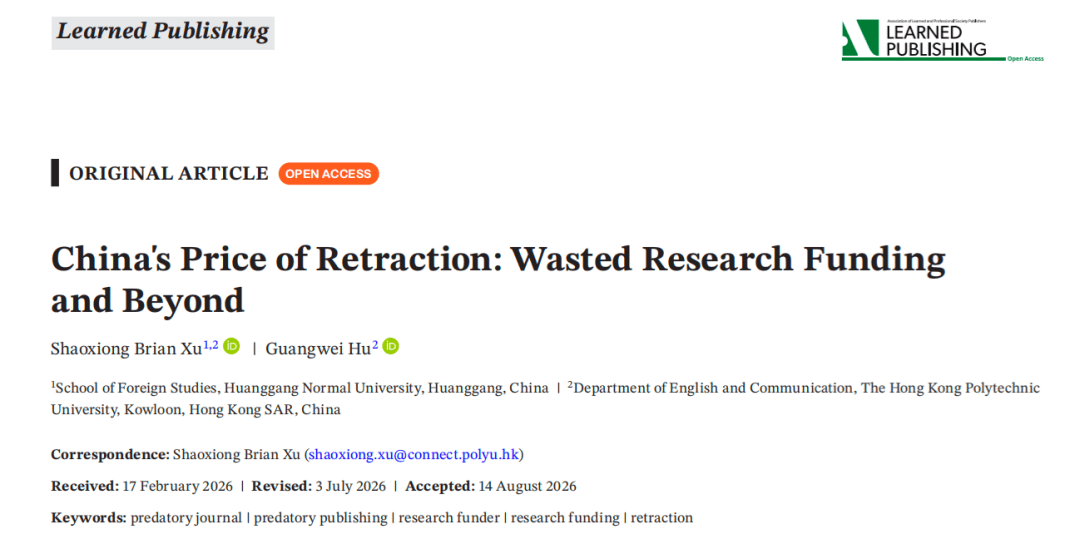
A new analysis reveals that 2,248 retracted papers in China have wasted approximately 47.8 million yuan in research funding. Many of these papers were supported by grants from the National Natural Science Foundation of China (NSFC). The scandal has intensified scrutiny on academic integrity, with the NSFC recently revoking funds from a Nanchang University physician for data fabrication and misuse of project funds.
Japan Institute Confirms Extensive Image Manipulation
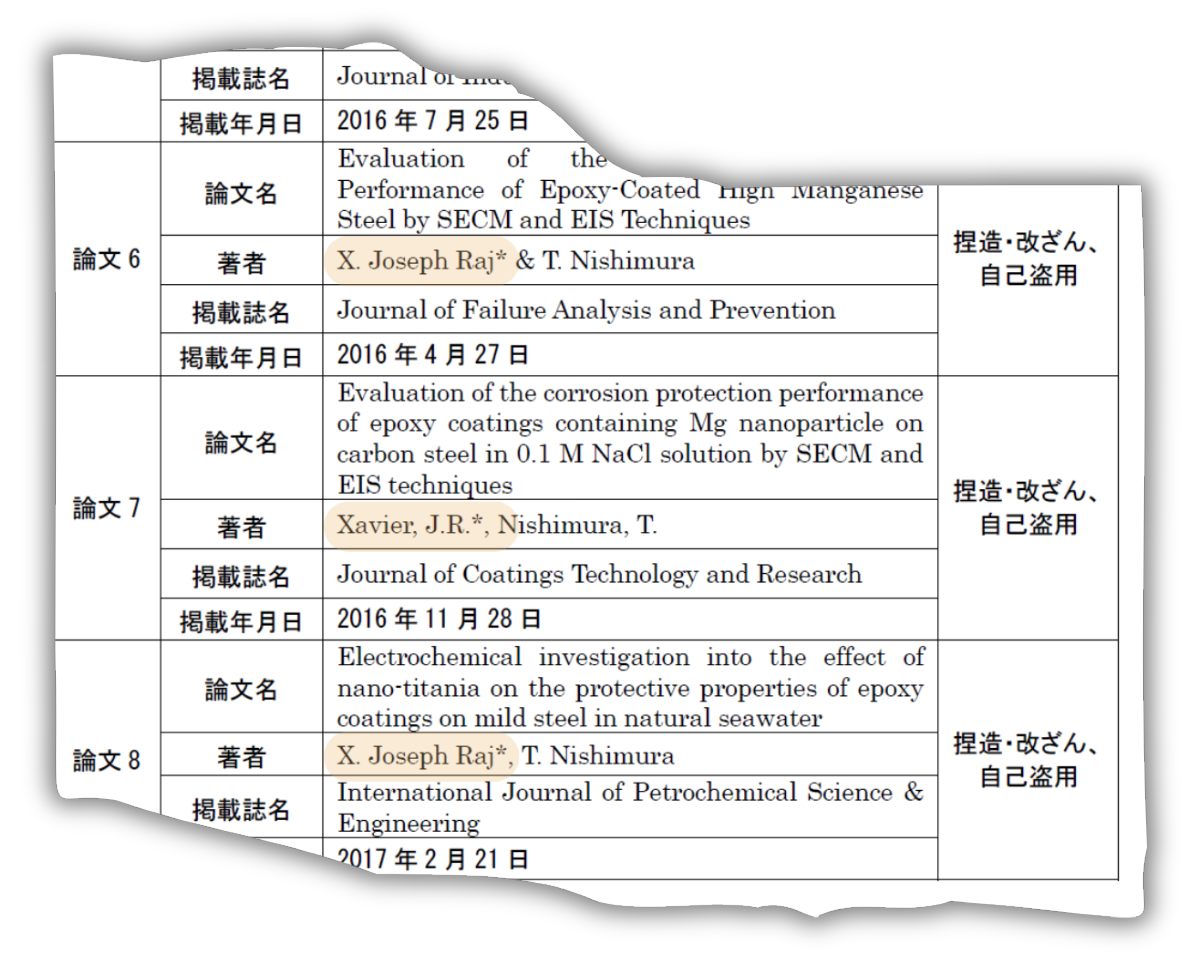
The National Institute for Materials Science (NIMS) in Japan concluded an investigation into researcher Joseph Raj Xavier, finding him guilty of "extensive" manipulation across 41 retracted papers. The report cited signs of scaling, stretching, and cutting-and-pasting images, as well as self-plagiarism. This case highlights the global scale of image manipulation in materials science and corrosion research.
South Korea Faces Discipline Scrutiny Amid Budget Hikes
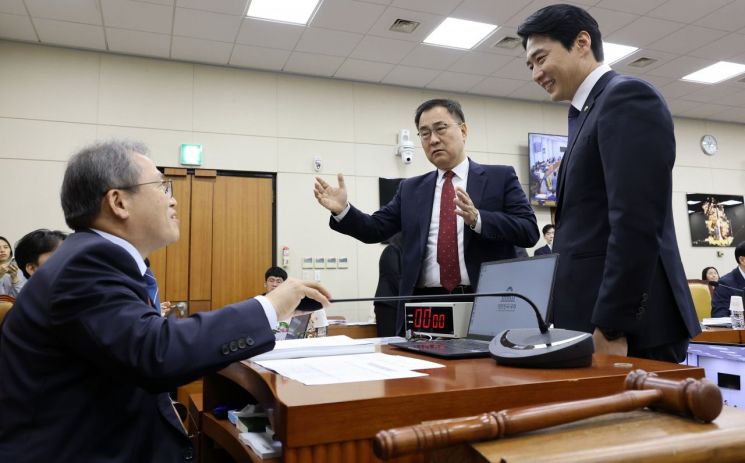
During the 2026 National Assembly audit, South Korean legislators highlighted severe lapses in discipline within state-funded R&D projects. Reports surfaced of employees playing games and hacking at cybersecurity research institutions, alongside improper spending of over 100 million won in research funds. This scrutiny comes as the government prepares to allocate a record 39.5 trillion won for R&D in 2027, an 11.2% increase.
US Grant Landscape Remains Disrupted
In the US, the National Institutes of Health (NIH) awarded approximately 7,400 fewer grants in fiscal 2026 compared to 2024, despite spending its full budget. Analysts attribute the drop to delayed and opaque decision-making processes. The reduction has left many early-career researchers without new awards, signaling a persistent shift in federal science funding priorities.

Local view
In South Korea, media outlets like The Hankyoreh and Asia Business Daily are focusing on the long-term economic fallout of previous budget cuts. The Hankyoreh reported that 75% of SME research projects were reduced or halted due to past funding cuts, with many resulting in "half-baked" developments. Conversely, JoongAng Ilbo highlights the current government's push to restore R&D budgets to double-digit growth rates to recover from these disruptions.
Context & numbers
- China R&D Investment: The 2025 national R&D expenditure reached 3.92 trillion yuan, a stable 8.2% year-over-year increase.
- US NIH Budget: The NIH spent its full $34 billion budget in FY2026, but the number of active grants declined significantly.
- Retraction Volume: The Retraction Watch database has logged over 63,000 retractions, with fraud and paper mills driving record numbers in 2026.
On the radar
- Cell Press Bribery Probe: An investigation is underway into allegations that a Cell Press editor-in-chief solicited bribes from authors.
- Korean Misconduct Timelines: Reports indicate that six in ten research misconduct investigation cases in Korea exceed the "Six-Month Rule" for completion, raising concerns about procedural efficiency.
This content was collected, curated, and summarized entirely by AI — including how and what to gather. It may contain inaccuracies. Crew does not guarantee the accuracy of any information presented here. Always verify facts on your own before acting on them. Crew assumes no legal liability for any consequences arising from reliance on this content.
Powered by
