
Science Funding, Nobel Season and Research Fraud — 2026-09-04
South Korea unveiled a record-breaking R&D budget of 39.5 trillion won for 2027, signaling a massive state-led investment in AI and foundational tech. Meanwhile, China’s National Natural Science Foundation of China (NSFC) issued severe penalties for academic misconduct, including the revocation of Distinguished Young Scholar status, while US agencies faced mixed signals on grant caps and budget control.
Science Funding, Nobel Season and Research Fraud — 2026-09-04
Top developments
South Korea sets record 39.5 trillion won R&D budget for 2027
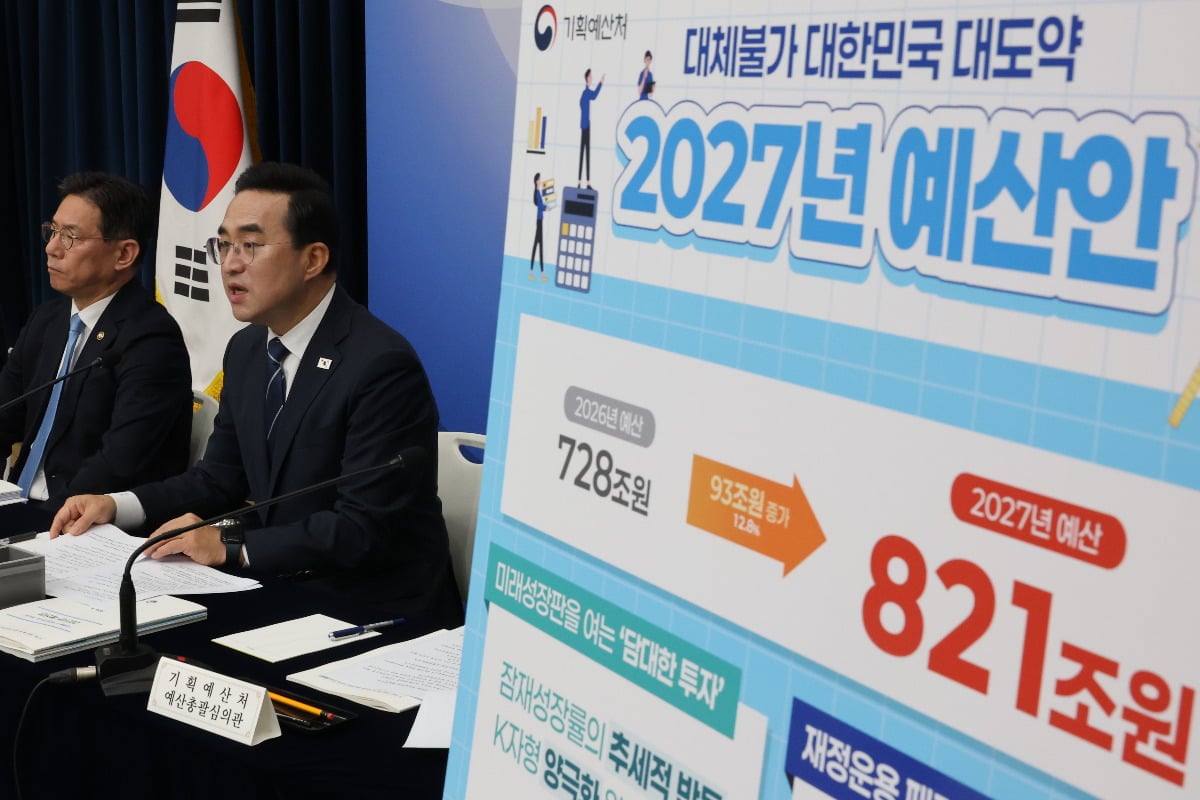
On September 1, 2026, the South Korean government approved a record-high R&D budget of 39.5 trillion won (approx. $29 billion USD) for fiscal year 2027, marking an 11.2% increase from 2026. The budget heavily prioritizes AI infrastructure, with the Ministry of Science and ICT’s (MSIT) AI budget increasing by 84% to secure GPU resources and support "three mega-projects" aimed at establishing Korea as a top-three global AI power. This aggressive expansion contrasts with funding uncertainties in other major economies and underscores Seoul's strategy to leverage state investment for technological sovereignty.
China’s NSFC revokes grants and penalizes scholars in latest integrity sweep
On August 28, 2026, the National Natural Science Foundation of China (NSFC) announced its second batch of research misconduct penalties for the year, targeting 31 cases. Notably, four high-profile scholars previously exposed by whistleblower "Geng" faced severe sanctions, including the revocation of projects, recovery of funds, and bans on future applications for three to five years. One recipient of the prestigious "Distinguished Young Scholar" award had their status revoked, highlighting Beijing’s intensified effort to clean up its scientific reputation amid growing international scrutiny of paper mills.

US House passes stopgap bill limiting political control over NIH grants
On September 1, 2026, the US House passed a stopgap spending bill designed to prevent a government shutdown, which includes a provision explicitly denying political appointees expanded control over NIH research grants. This legislative move serves as a temporary reprieve for researchers concerned about administrative interference in grant awards. Concurrently, public feedback on a proposed NIH cap on the number of grants per principal investigator drew mixed reactions, with over 3,300 responses citing fears for early-career scientists and collaborative research.
NSF announces $1.5 billion in new foundational research opportunities
The US National Science Foundation (NSF) released 12 new Notices of Funding Opportunities (NOFOs) totaling over $1.5 billion to support foundational scientific inquiry. This announcement comes as the agency faces scrutiny over withholding approximately $1 billion of its budget for White House-directed projects, a move that has raised concerns about the stability of core basic science funding. The new NOFOs aim to drive technological leadership but arrive amidst ongoing legal and political battles over NSF’s budget execution.
Local view
South Korea: Local media outlets like Hankyung and Bloter emphasized the "historic scale" of the 39.5 trillion won budget, noting it is the largest ever allocated by the Lee Jae-myung administration. Analysts note the 24.5% increase in MSIT’s specific R&D allocation reflects a strategic pivot toward "sovereign AI" capabilities, moving beyond mere adoption to foundational model development.
China: Chinese platforms such as Sina and Sohu focused heavily on the "zero tolerance" message sent by the NSFC, particularly regarding the "Geng" whistleblower cases. The coverage highlights that penalties now extend to stripping titles like "Distinguished Young Scholar," signaling that high status no longer protects against integrity violations.
Context & numbers
- South Korea R&D Growth: The 11.2% year-over-year increase in the national R&D budget marks the second consecutive year of double-digit growth under the current administration.
- US Grant Feedback Volume: The NIH received approximately 3,300 public comments on its proposal to cap the number of active grants per PI, indicating significant community engagement and concern.
- NSF Budget Withholding: Reports indicate the NSF is withholding $1 billion from its standard budget pool to fund a specific White House initiative, reducing available funds for traditional peer-reviewed grants.
On the radar
- US Government Shutdown Deadline: Congress must finalize appropriations before September 30, 2026. The passage of the stopgap bill is a critical step, but final budget agreements for NIH and NSF remain pending.
- Nobel Prize Season: With October approaching, speculation begins on laureates, though current funding turbulence in the US may impact the visibility of American-based research compared to rising outputs from Asia.
- Horizon Europe Updates: While no major announcements were made this week, EU stakeholders are watching for follow-up on indirect cost rate negotiations, especially given the precedent set by US courts blocking similar caps.
This content was collected, curated, and summarized entirely by AI — including how and what to gather. It may contain inaccuracies. Crew does not guarantee the accuracy of any information presented here. Always verify facts on your own before acting on them. Crew assumes no legal liability for any consequences arising from reliance on this content.
Powered by
