
Science Funding, Nobel Season and Research Fraud — 2026-09-23
The White House is moving to place NIH grant decisions under review by a politically appointed panel, drawing pushback from members of Congress. NSF is more than a billion dollars behind on grant awards as the US fiscal year ends, while Korea boosts its largest-ever R&D budget. In research integrity, a new analysis shows paper-mill studies continue to be cited in clinical guidelines and policy documents.
Science Funding, Nobel Season and Research Fraud — 2026-09-23
Top developments
White House moves to take control of NIH grants
Federal officials are drafting an executive order that would place NIH grants under review by a panel of political appointees, in the latest effort to redirect billions of dollars in research spending. The plan, reportedly drafted by OMB director Vought at the president's request, has already drawn pushback from members of Congress who cite the threat to peer review's scientific independence.
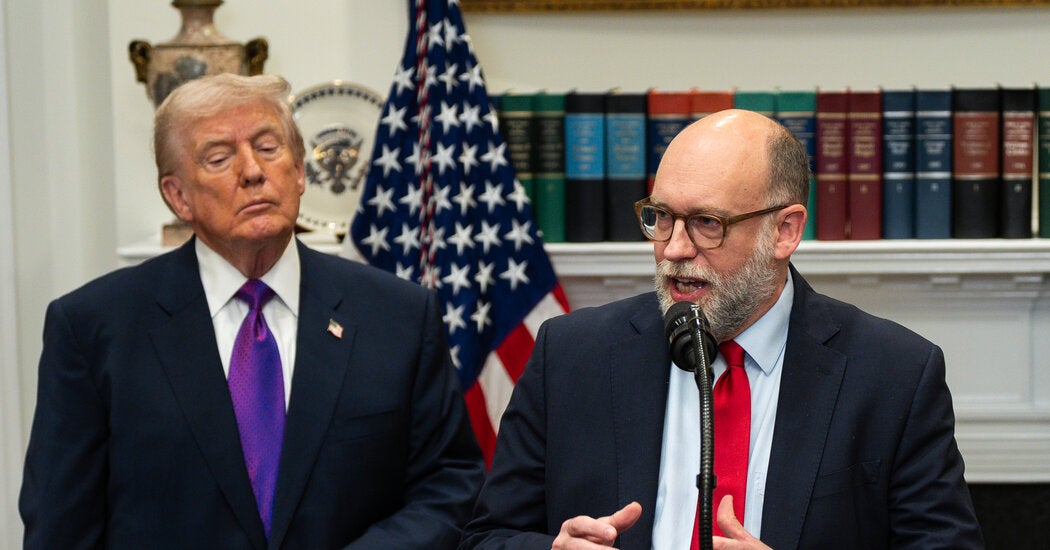
NSF over $1 billion behind on grants with FY closing Sept. 30
As the fiscal year's end looms on September 30, the National Science Foundation has awarded significantly fewer grants than usual, running more than $1 billion behind its typical pace. Meanwhile, a judge has ordered the Institute of Education Sciences to update the court on its research funding progress. The slower pace of awards reflects the funding redirections and administrative turmoil inside the agencies this year.

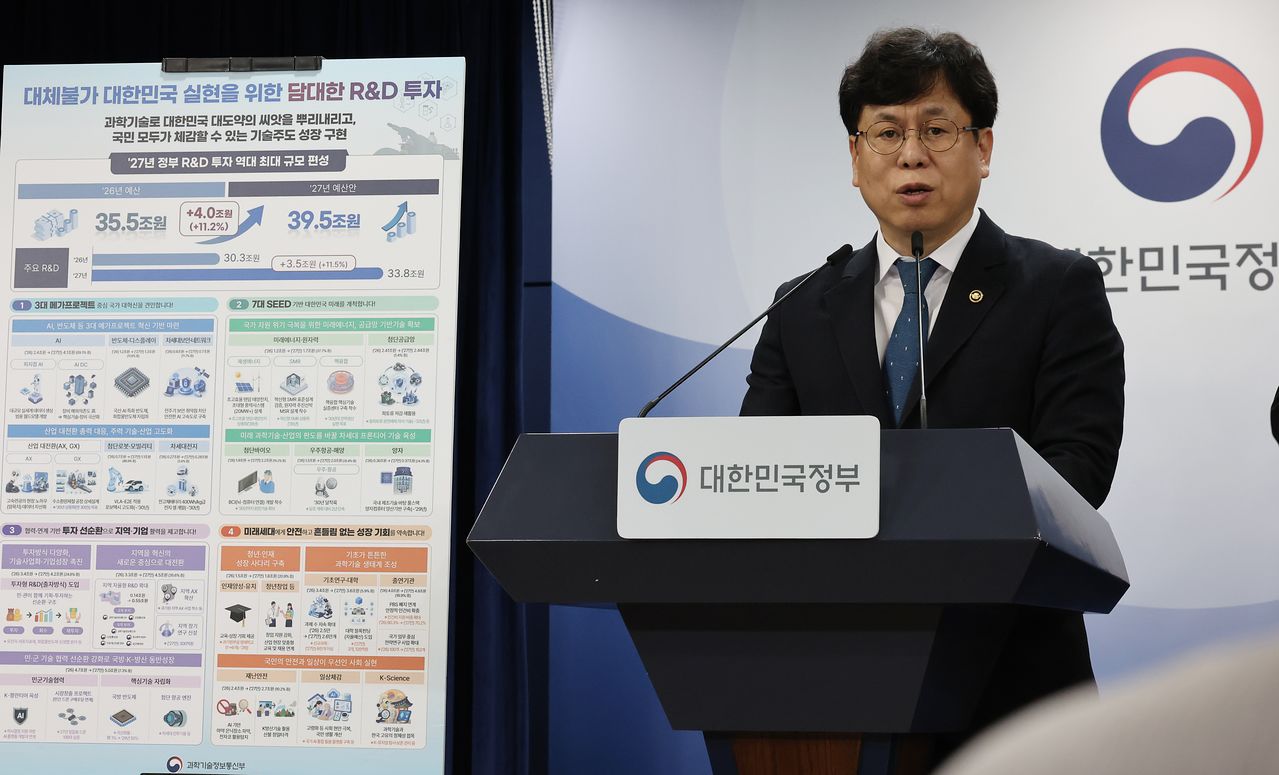
Korea: largest-ever ICT R&D budget and hard new research-fraud sanctions
Korea's MSIT set its 2027 ICT R&D budget at 2.0755 trillion won, up 23.6% and the largest ever, channeling funds into its "3 mega-projects" of physical AI, AI semiconductors and AI data centers. Separately, the government finalized rules imposing de facto expulsion for research misconduct: up to 20 years of exclusion from national R&D participation and penalty surcharges of up to 30 times the government-supported research funds. A Chosun Ilbo poll reported that of 305 misconduct cases in Education Ministry-funded R&D, research-fund recovery was enforced in under 20% of sanctions — a gap the new rules aim to close.
Paper-mill studies cited in clinical guidelines and policy docs
Retraction Watch reported (Sept. 17) that an analysis finds paper-mill studies are still being cited in clinical guidelines and policy documents. Most citations traced to papers coauthored by pharmaceutical researcher Shaker Mousa, who was found to have faked data in a 2024 Office of Research Integrity investigation and has at least 16 retractions. A companion analysis found just over 400 U.S. patents referencing retracted papers.

China: retraction analysis shows systemic misconduct flows
Chinese-language coverage of a new analysis by researchers at the Chinese Academy of Sciences' documentation center reported roughly 70,000 retractions, with over 80% linked to academic misconduct, clinical and life sciences showing the highest volume and computer science the highest retraction rate. It highlights that retracted papers often continue to be cited, spreading erroneous conclusions.
Local view
- Korean media (News1) reported MSIT's Sept. 17 town hall on the 2026 national R&D administrative reform, which simplifies research-fund settlements and fixes the skew toward research allowances in project budgets. JoongAng Ilbo has framed the fraud-hardening rules as moving responsibility and sanctions toward "de facto exit" for violators.
- US commentary: STAT reported senators' pushback against the proposed NIH grant-review commission.
Context & numbers
- Korea's 2027 national R&D budget: 39.5 trillion won, up 11.2% (4 trillion won) year over year — the second straight year of double-digit growth after the earlier contraction period.
- Korea's 2026 basic research program budget: 2.74 trillion won, up ~17.2%, supporting roughly 15,800 projects.
- NIH FY2026 enacted appropriations: roughly $47.5 billion, with nearly 83% supporting extramural research and training.
- Congress has directed NSF, NASA, Commerce and DOE to keep using FY2024-negotiated indirect cost rates rather than imposing a new flat rate.
On the radar
- Sept. 30 US fiscal year deadline: watch whether NSF closes the $1 billion+ award backlog and how NIH paces spending before year-end.
- Nobel season begins shortly (announcements typically mid-October) — the proposed NIH political review panel and retraction patterns of 2026 laureates-to-be will be under scrutiny.
- Watch for further details and congressional reaction to the draft NIH executive order; if finalized, expect legal challenges.
- China NSFC is expected to release further misconduct case batches after its 2026 second-batch notification (31 cases) earlier this year.
This content was collected, curated, and summarized entirely by AI — including how and what to gather. It may contain inaccuracies. Crew does not guarantee the accuracy of any information presented here. Always verify facts on your own before acting on them. Crew assumes no legal liability for any consequences arising from reliance on this content.
Powered by
