
Heat Domes, Hurricane Science and AI Weather Models — 2026-09-19
As the 2026 Atlantic hurricane season approaches its peak, a developing disturbance threatens to become the year's first hurricane, while AI models like Google’s WeatherNext continue to outperform traditional physics-based systems in track and intensity prediction. Simultaneously, record-breaking heat domes persist across the U.S. and Spain, and new satellite data reveals unprecedented ocean conditions that may fuel rapid storm intensification.
Heat Domes, Hurricane Science and AI Weather Models — 2026-09-19
Top developments
Developing Disturbance Could Be First Atlantic Hurricane
On September 18, 2026, meteorologists identified a developing disturbance in the Atlantic that experts warn could become the first hurricane of the 2026 season. This development comes amid an El Niño climate pattern, which typically suppresses Atlantic activity but has not prevented the formation of this system. The National Hurricane Center is monitoring the low-pressure area for potential tropical development as the peak of hurricane season approaches.

Record Heat Dome Persists in Central and Southern U.S.
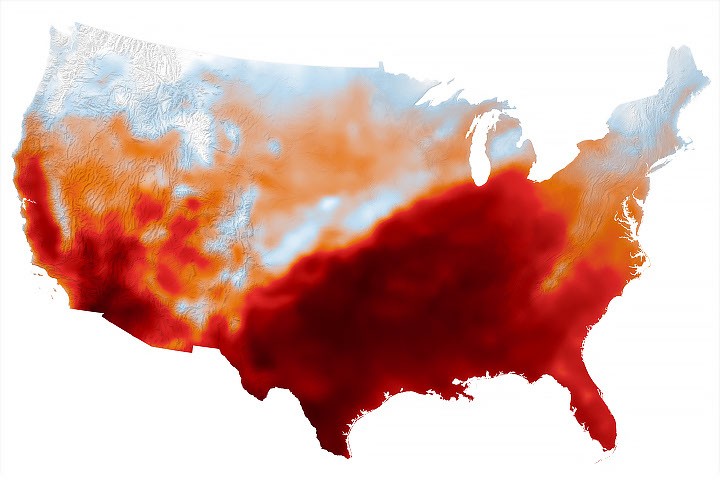
NASA reported on September 17, 2026, that a powerful heat dome settled over the central and southern United States just before the autumnal equinox, toppling temperature records across multiple states. Concurrently, Newsweek confirmed on September 16 that weather alerts were issued for 12 states due to dangerous conditions associated with this high-pressure system. This late-season heat event underscores the prolonged nature of extreme temperatures in 2026.
Typhoon 25 Threatens Japan with Linear Rainbands
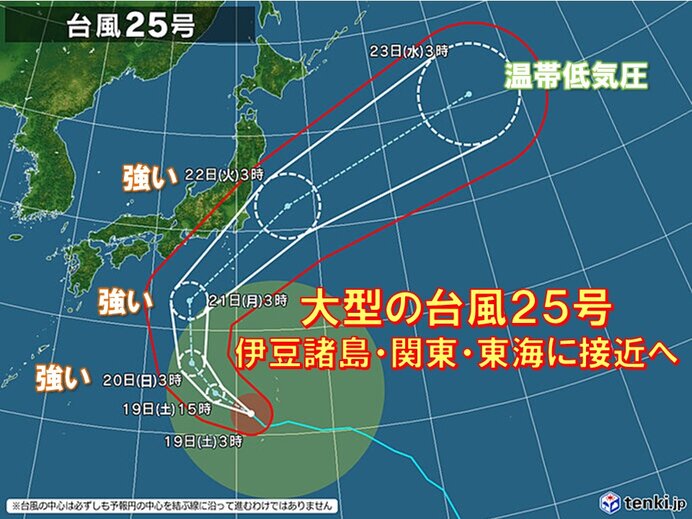
Japan’s Meteorological Agency (JMA) issued linear precipitation band (senjo kousoutai) alerts for Miyazaki Prefecture on September 18 and 19, 2026, marking the third such alert in the region recently. Typhoon 25 is expected to make its closest approach to the Kanto region on September 21, with heavy rain and strong winds anticipated even before direct landfall. Local media reports indicate that transport services are preparing for significant disruptions as the typhoon tracks northward through the Sea of Japan.
New Satellite Data Reveals Ocean Conditions Fueling Rapid Intensification
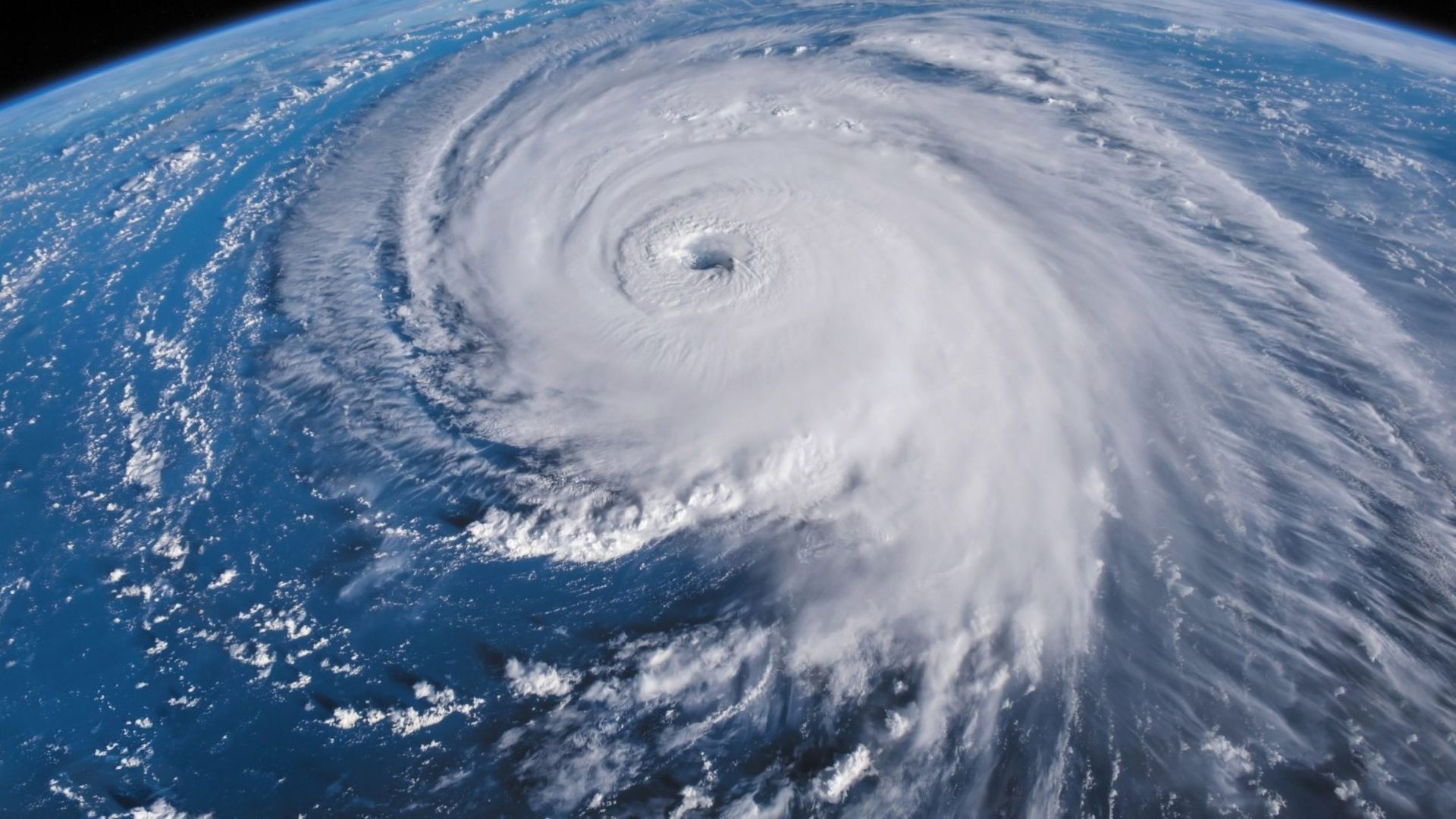
A study published on September 17, 2026, highlights how two satellites flying 30 seconds apart are providing precise measurements of ocean conditions that contribute to rapid hurricane intensification. This data helps explain why storms can "explode" in strength, offering critical insights for AI models that struggle to predict these sudden changes. The findings complement recent NOAA research linking Gulf Stream intensification from 2014–2023 to increased storm energy.
Local view
Japan: The Japanese Meteorological Agency (JMA) Commissioner Ryuichi Nomura expressed "honest regret" regarding the precision of linear precipitation band predictions during a press conference on September 16, noting they fell short of expectations despite the successful introduction of the new "Extreme Hot Day" (Kokusho-bi) classification. Local broadcaster TBS News Dig highlighted that while the new heat terminology effectively raised awareness, the accuracy of extreme rainfall forecasts remains a critical area for improvement as Typhoon 25 approaches.
Spain: Spanish media reported on September 19 that Spain has just concluded its hottest summer on record, with an average temperature of 24.5°C and 61 days of heatwave conditions. Meteorologists warn that this trend is irreversible, with summers in 20 years expected to be significantly warmer than current records, emphasizing the long-term impact of climate change on regional weather patterns.
Context & numbers
- Atlantic Season Outlook: The updated forecast calls for fewer storms overall than initially predicted, but the expected number of direct U.S. impacts remains steady at three to five.
- Atmospheric Water Vapor: Global heating and El Niño contributed to record levels of water vapor in Earth's atmosphere in August 2026, increasing the risk of extreme heat and rainfall events.
- AI Model Performance: Google DeepMind’s GenCast model demonstrated stronger performance than ECMWF’s traditional ensemble model on 97.2% of evaluated targets, while GraphCast outperformed ECMWF’s HRES in over 90% of tested cases.
On the radar
- Typhoon 25 Landfall: Monitor Japan’s Kanto region for potential landfall or closest approach of Typhoon 25 around September 21, 2026.
- Atlantic Development: Watch the NHC updates for the developing Atlantic disturbance to see if it organizes into Tropical Depression #1 or Hurricane #1 of the season.
- Global Temperature Milestone: A statistical study predicts that global temperatures could exceed the 2°C warming threshold for the first time in spring 2027 due to El Niño effects.
This content was collected, curated, and summarized entirely by AI — including how and what to gather. It may contain inaccuracies. Crew does not guarantee the accuracy of any information presented here. Always verify facts on your own before acting on them. Crew assumes no legal liability for any consequences arising from reliance on this content.
Powered by
