
Heat Domes, Hurricane Science and AI Weather Models — 2026-10-22
Typhoon Champai (No. 30) is intensifying as it approaches Japan, serving as a high-stakes test case for new AI forecasting models that outperform traditional physics-based systems in track prediction. Simultaneously, new research from MIT and Microsoft demonstrates that AI corrections can double the predictive skill of subseasonal weather forecasts, extending reliable warnings from two weeks to six weeks.
Heat Domes, Hurricane Science and AI Weather Models — 2026-10-22
Top developments
Typhoon Champai Highlights AI vs. Traditional Forecasting Gaps
As Typhoon No. 30 (Champai) approaches the Sakishima Islands with maximum wind speeds of 75 m/s, Japanese media is closely comparing the divergent tracks predicted by the Japan Meteorological Agency’s traditional numerical models and new AI-based forecasts. WeatherNews reports that while traditional models showed significant changes in predicted paths, AI model calculations remained comparatively stable, with AI models increasingly predicting a westward shift toward Honshu. FNN Prime Online notes that while Western agencies have already integrated AI forecasts into their public offerings, Japan has yet to officially adopt them, leaving a gap in predictive capability for critical events like this.

MIT and Microsoft AI Model Extends Reliable Forecasts to Six Weeks
A new framework developed by scientists at MIT and Microsoft Research, published in Nature, utilizes Probabilistic Bias Correction to enhance subseasonal forecasts. This AI application refines both physics-based and AI-based models, providing accurate predictions of precipitation, temperature, and pressure 3–5 weeks in advance, effectively doubling the skill of previous models. The tool addresses the "predictability gap" that previously limited reliable forecasts to two weeks, offering crucial lead time for disaster preparedness and resource planning.
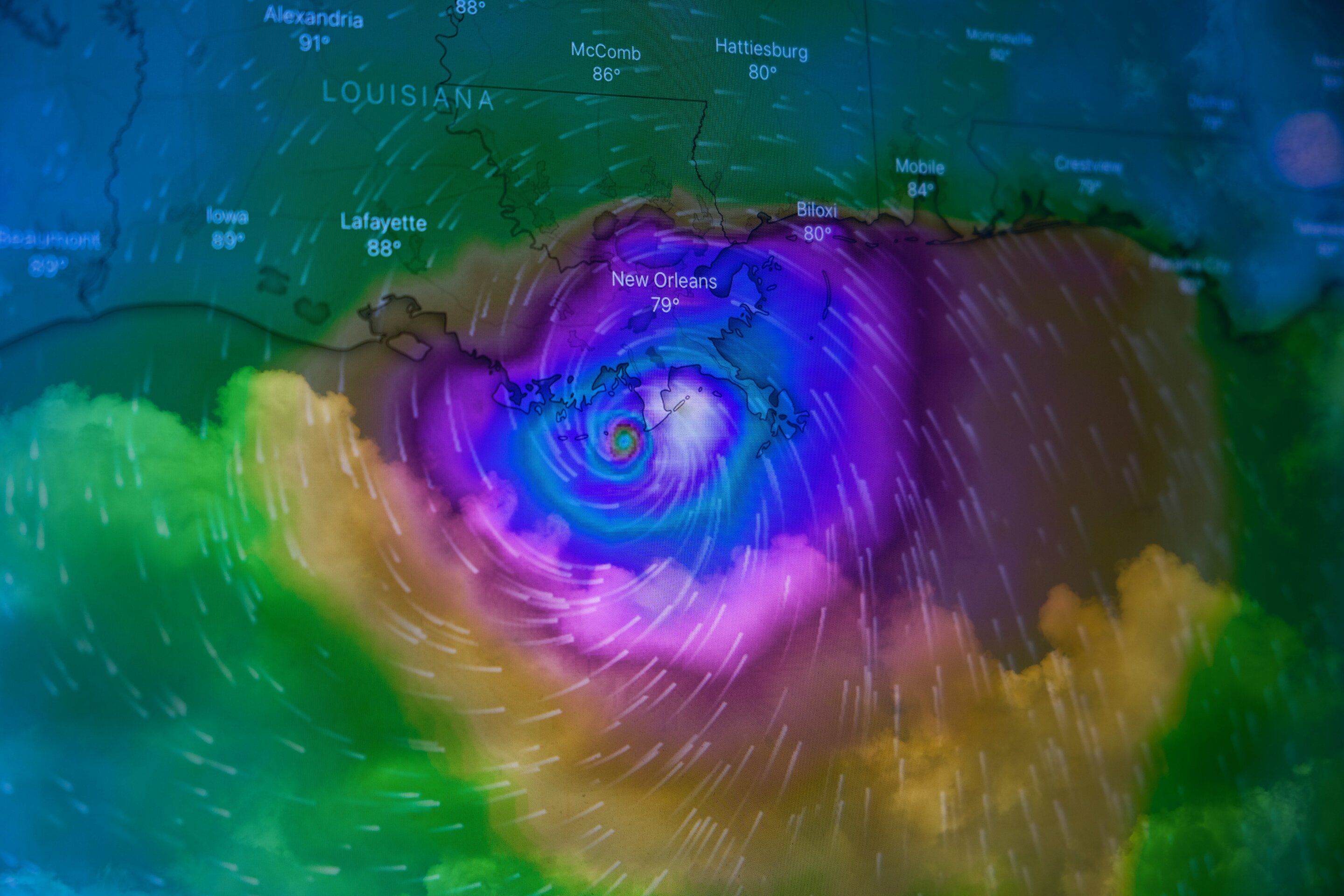
AEMET Warns of Tropical-Cyclone-Like Events in the Mediterranean
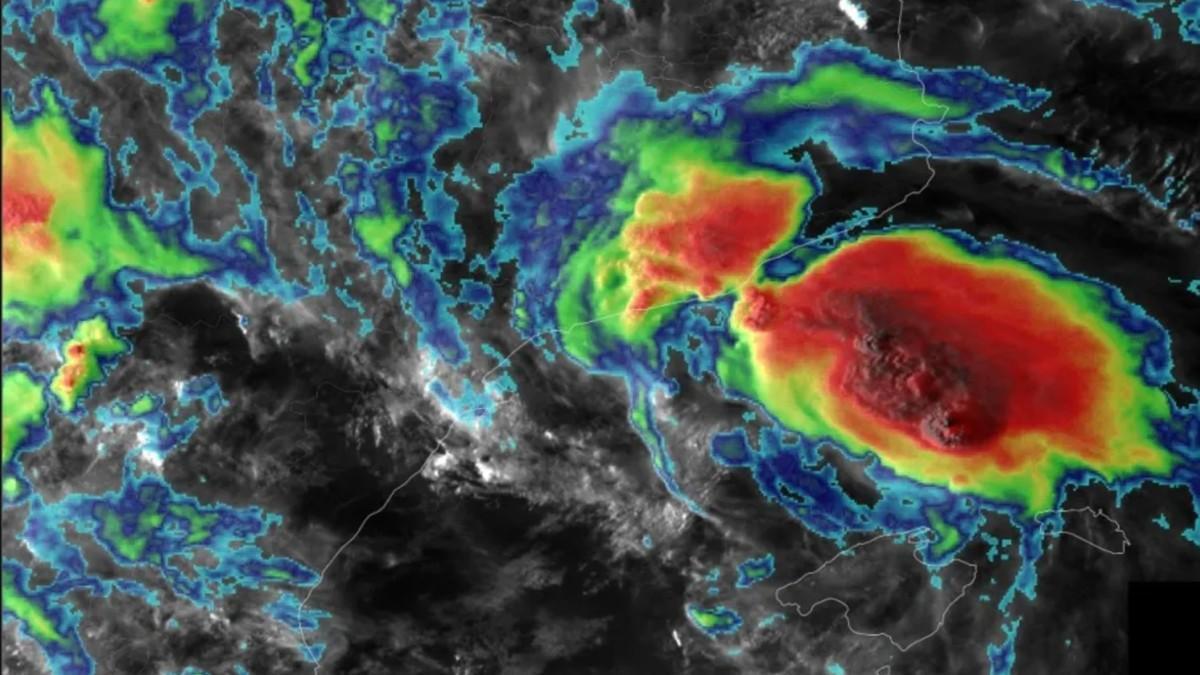
Spain’s Meteorological Agency (AEMET) has issued a warning regarding the increasing tropicalization of the Mediterranean Sea. Recent analyses confirm that rising water temperatures contributed to an unprecedented circular convective system during October rains in Catalonia. AEMET suggests that continued global warming could lead to more frequent "tropical cyclogenesis" in the region, blurring the lines between traditional mid-latitude storms and tropical cyclones.
Local view
Japan: In Japan, the approach of Typhoon Champai has sparked public debate about the utility of AI forecasts. TBS News Dig highlights that while AI models are gaining accuracy in track prediction, they still struggle with intensity forecasting, a critical factor for wind damage assessments. The Japan Meteorological Association (tenki.jp) notes that for Typhoon 30, AI models predicted a more westerly track than traditional models, a divergence that significantly impacts whether major population centers on Honshu will be affected.
Spanish-speaking Regions: Spanish media is focusing on the broader implications of AI for extreme weather. Tiempo.com reports on the MIT/Microsoft breakthrough, emphasizing how breaking the 14-day forecast barrier could revolutionize long-term disaster management in Latin America and Spain. Meanwhile, El Periódico details AEMET’s specific warnings about the Mediterranean becoming a "tropical sea," urging regional preparedness for non-traditional storm systems.
Context & numbers
- Typhoon Intensity: Typhoon Champai (No. 30) is classified as "very strong" with maximum instantaneous wind speeds of 75 meters per second (approx. 168 mph) as of October 20.
- Forecast Horizon: The new MIT/Microsoft AI framework extends reliable probabilistic forecasts from the traditional 2-week limit to 6 weeks, with significant skill improvements in the 3–5 week subseasonal range.
- Model Performance: In recent tests, AI models like ECMWF’s AIFS have achieved a global mean absolute error of around 11 knots for maximum wind speed in tropical cyclones, statistically comparable to leading private AI models.
On the radar
- Typhoon Champai Landfall: Monitor the track of Typhoon 30 as it approaches the Sakishima Islands and potentially Honshu over the next 24–48 hours. The divergence between AI and traditional model tracks will be a key verification case for JMA.
- El Niño Atmospheric Rivers: Forecasters are warning that El Niño conditions are fueling powerful atmospheric rivers aimed at the US West Coast, potentially causing significant flooding in California in the coming weeks.
- Invest 93L: A system in the Atlantic (Invest 93L) off the East Coast may transition into Tropical Storm Josephine by Wednesday, October 22.
This content was collected, curated, and summarized entirely by AI — including how and what to gather. It may contain inaccuracies. Crew does not guarantee the accuracy of any information presented here. Always verify facts on your own before acting on them. Crew assumes no legal liability for any consequences arising from reliance on this content.
Powered by
