
Heat Domes, Hurricane Science and AI Weather Models — 2026-09-15
A new heat dome is currently affecting the south-central and southeastern United States, bringing late-summer heat waves to over a dozen states. Meanwhile, a new AI model from Google DeepMind has demonstrated the ability to predict cyclone tracks and intensity with high accuracy, potentially providing an extra day of warning compared to traditional methods. In Japan, meteorologists are tracking a developing Typhoon 25 that may impact the upcoming Silver Week holiday, while studies highlight the ongoing challenges in predicting linear precipitation bands.
Heat Domes, Hurricane Science and AI Weather Models — 2026-09-15
Top developments
Heat Dome Lingers in Southeastern US
A significant heat dome is expected to persist across the south-central and southeastern United States through mid-September. Over a dozen states, stretching from the Plains to the Atlantic and Gulf coasts, are experiencing a late-summer heat wave. This development extends the typical heat season, raising concerns about continued drought exacerbation and energy demand spikes during what is traditionally a cooling period.

AI Model Delivers Extra Day of Cyclone Warning
Google DeepMind’s WeatherNext AI model has achieved a breakthrough in forecasting tropical cyclones, delivering accurate predictions up to three days in advance—effectively providing an extra day of warning compared to previous standard methods. The model, which has been open-sourced, predicts both the track and intensity of cyclones with high accuracy, offering critical lead time for coastal communities to prepare for landfall.

Rapid Intensification Becoming More Common
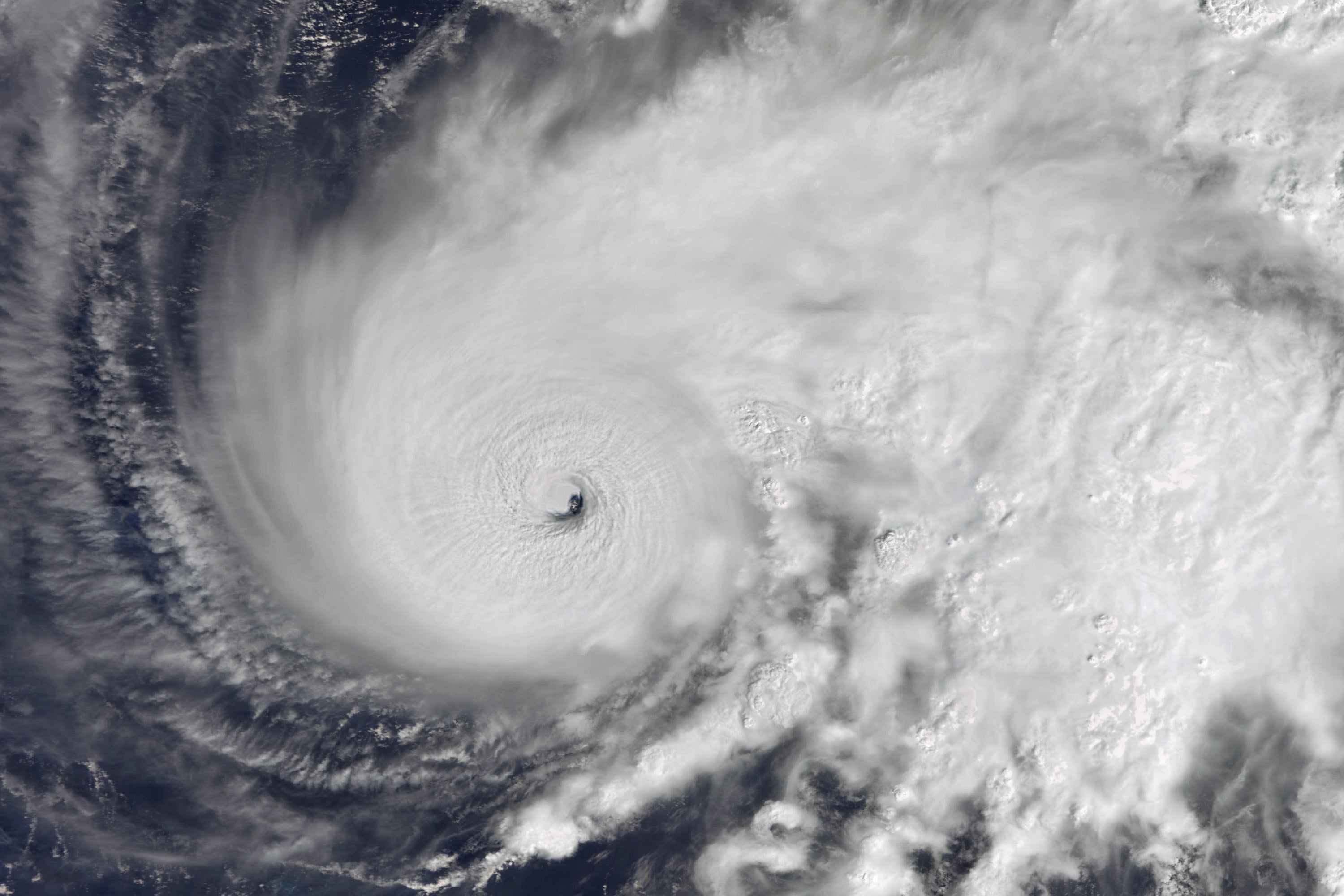
Meteorological data indicates that storms undergoing rapid intensification—where wind speeds drastically increase in a short period—are becoming more common. This trend complicates forecasting efforts, as these storms can explode in strength before making landfall. Recent analyses suggest that while overall storm counts may vary, the proportion of storms rapidly intensifying into major hurricanes is rising, requiring more robust early-warning systems.
Atlantic Season Outlook Remains Below Average
Despite the activity in the subtropics, the 2026 Atlantic hurricane season is trending toward a below-average finish. Current models suggest the season may end with an Accumulated Cyclone Energy (ACE) index of around 40, significantly lower than historical averages. While AI models have detected potential development in the subtropics, full physics-based models remain cautious, indicating limited long-term potential for major hurricane formation in the remaining weeks of the season.
Local view
Japan Tracks Typhoon 25 Ahead of Silver Week
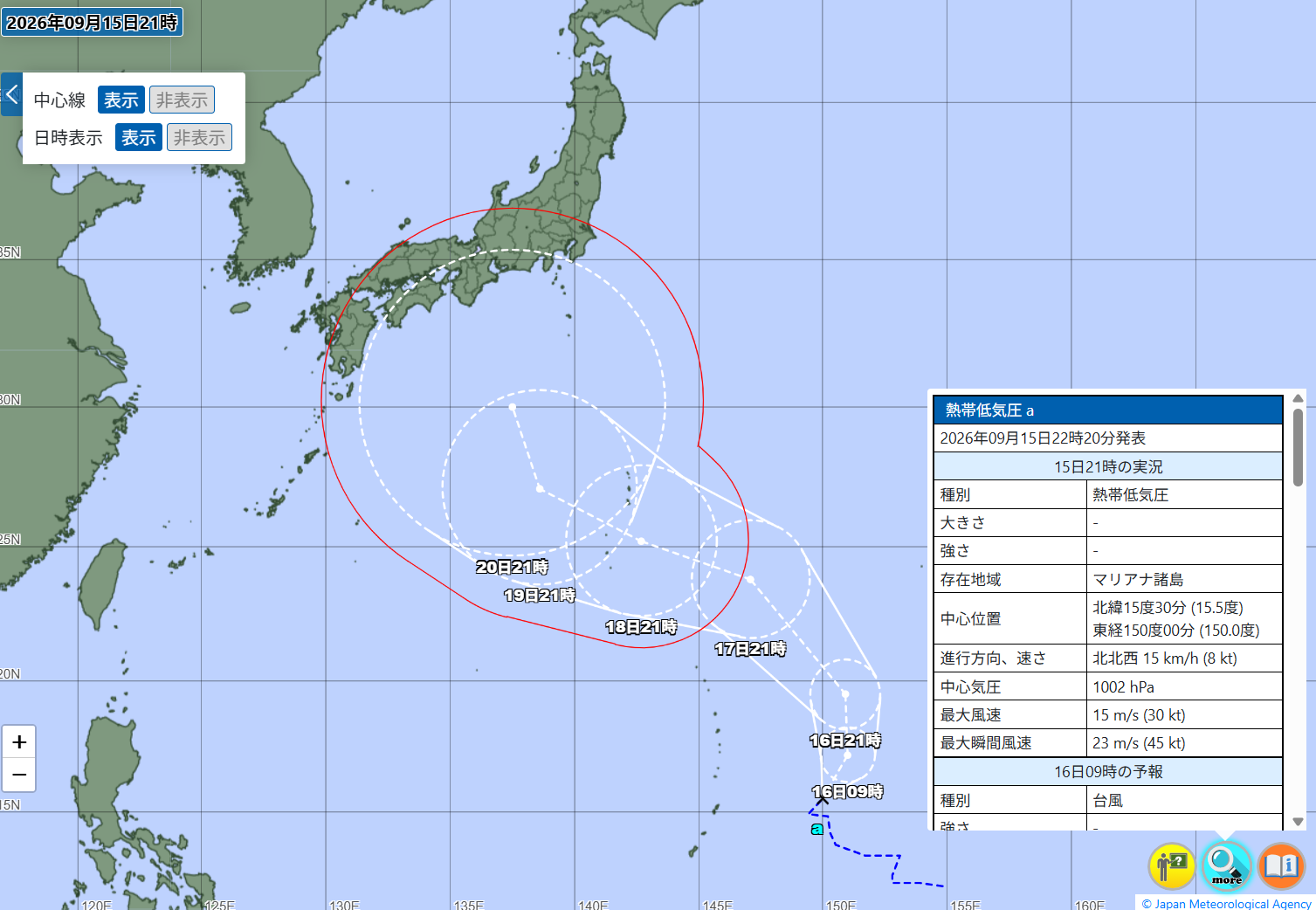
In Japan, local media and the Japan Meteorological Agency (JMA) are closely monitoring a tropical low near the Marshall Islands expected to develop into Typhoon 25. The JMA issued a forecast on September 15, 2026, indicating the system could impact the country's "Silver Week" holiday period. Stakeholders are concerned about potential disruptions to travel and logistics if the typhoon develops and tracks toward the main islands.
Linear Precipitation Band Prediction Struggles
Japanese media reports highlight that despite the use of supercomputers, the accuracy of "linear precipitation band" (senjo kousuitai) predictions remains low, hovering around 30%. These bands cause severe flooding and landslides. The JMA's new "imminent prediction" system, launched this year to provide warnings 2–3 hours in advance, has not yet met its target accuracy rates, prompting continued research into better observational data integration.
Context & numbers
- AI Model Performance: Google DeepMind’s GenCast and GraphCast models have outperformed ECMWF’s HRES model in over 90% of tested cases for various variables, according to recent benchmarks.
- Seasonal ACE Index: The projected final Accumulated Cyclone Energy (ACE) for the 2026 Atlantic season is approximately 40, which is considered well below average.
- Prediction Accuracy: The JMA's linear precipitation band prediction accuracy is currently reported at roughly 30%.
On the radar
- Typhoon 25 Development: Watch for official JMA confirmation of Typhoon 25 formation within the next 24 hours and its subsequent track relative to the Japanese archipelago.
- Silver Week Impact: Travel and tourism sectors in Japan are assessing potential cancellations or delays depending on Typhoon 25's path during the five-day holiday period starting September 19.
- El Niño Projections: A statistical study predicts that El Niño conditions may push global temperatures past the 2°C warming threshold in Spring 2027, influencing long-term seasonal outlooks.
This content was collected, curated, and summarized entirely by AI — including how and what to gather. It may contain inaccuracies. Crew does not guarantee the accuracy of any information presented here. Always verify facts on your own before acting on them. Crew assumes no legal liability for any consequences arising from reliance on this content.
Powered by
