
Asteroids and Planetary Defence: Bennu, Apophis, Hera — 2026-09-30
A 7-meter asteroid passed within 0.99 lunar distances of Earth on September 28, providing a live stress test of global planetary defence networks—which functioned as designed but revealed that Vera Rubin Observatory will still miss roughly 9 in 10 Chelyabinsk-scale impactors. Fresh analysis of NASA's OSIRIS-REx Bennu samples confirms Jupiter shaped the early solar system's chemical architecture, while preparation continues for Apophis's April 2029 closest approach and the ESA Hera mission to Dimorphos.
Asteroids and Planetary Defence: Bennu, Apophis, Hera — 2026-09-30
Top developments
Asteroid 2026 SA8 Buzzes Earth, Exposing Detection Limits
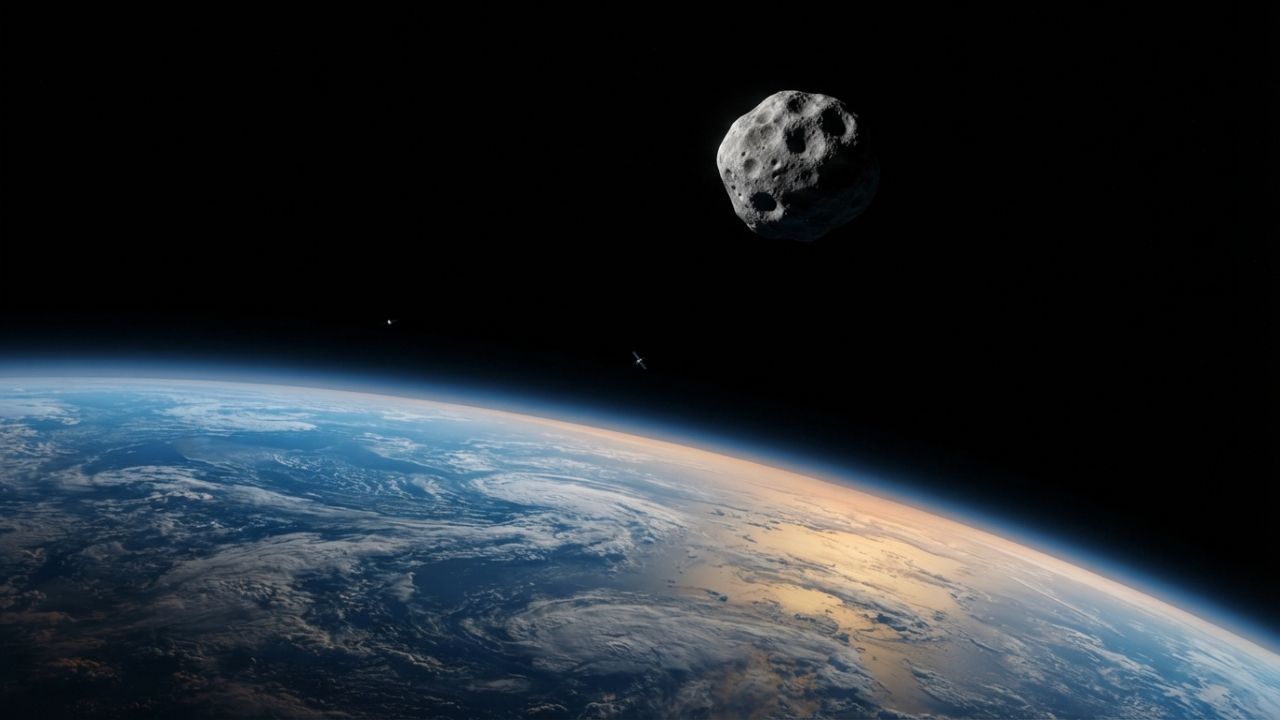
On September 28, a 7-meter asteroid designated 2026 SA8 passed within 0.99 lunar distances of Earth, triggering a live-fire test of the planetary defence coordination network. The flyby succeeded in demonstrating real-time detection and warning capability across multiple agencies—confirming that when asteroids are found early, the system works. However, new research presented alongside the event found that even the forthcoming Vera Rubin Observatory, a next-generation survey telescope, will detect fewer than 11% of Chelyabinsk-scale impactors (roughly 20-meter bodies), leaving nearly 9 in 10 such threats unwarned.
Bennu Samples Reveal Jupiter's Role in Planet Formation
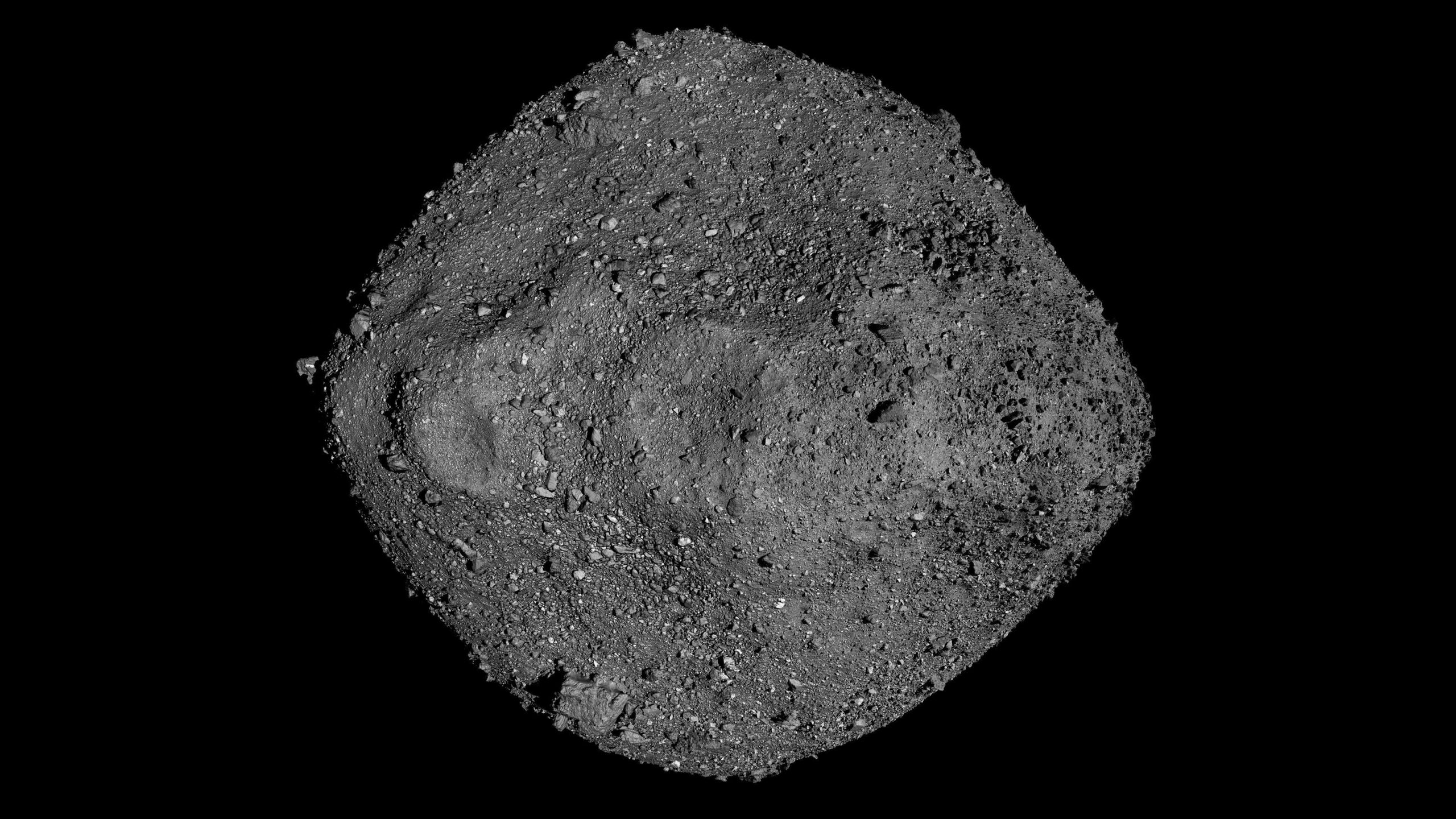
Analysis of asteroid Bennu material collected by NASA's OSIRIS-REx mission has pinpointed the asteroid's formation to the boundary between the hot and cold zones of the early solar system's protoplanetary disk—a region shaped by Jupiter's gravity. Using isotopic composition measurements, researchers at ETH Zurich found that Jupiter filtered and concentrated primordial dust into the zone where Earth-like planets formed, linking the chemistry of Bennu to our own planetary origins. This represents a direct chemical link between sampled asteroid material and the mechanisms that built terrestrial worlds.
NASA's Planetary Defense Documentary Released
NASA+ released "Planetary Defenders: This Is Not an Exercise," a video chronicle of how global planetary defence systems responded to a newly discovered asteroid threat. The documentary captures the real-world coordination between observatories, space agencies, and monitoring centres as they tracked, analysed, and confirmed the trajectory and impact risk of a near-Earth object.

Asteroid 2026 SZ2 Passed Inside Geostationary Satellite Orbit
On September 20, asteroid 2026 SZ2 transited approximately 9,200 miles (14,800 km) above Earth's surface—well within the geostationary satellite belt at 35,786 km altitude. Despite the close approach, the asteroid posed no collision risk to operational satellites or Earth. The passage underscores the continuous traffic of small asteroids through near-Earth space and the importance of ongoing surveillance.
Bennu and Ryugu Samples Unified in Nature Communications Analysis
A comparative near-infrared spectroscopy study published in Nature Communications examined samples from both NASA's OSIRIS-REx Bennu mission and Japan's Hayabusa2 Ryugu mission, using the MicrOmega hyperspectral microscope within JAXA's curation facility. The analysis confirms that both carbonaceous asteroids retain pristine primordial material and organic signatures, validating that sample-return missions can reliably preserve evidence of the early solar system and its chemical ingredients.
Local view
No recent local-language reporting from designated markets (Japanese, Korean, European) specifically published after September 23 was identified in the research dataset. Japanese space agencies (JAXA) have shared ongoing Hayabusa2 extended mission milestones, including the asteroid Trifune flyby on July 5, 2026, but no new developments after the cutoff date were present in the results.
Context & numbers
Planetary Defence Detection Gap:
Vera Rubin Observatory is projected to detect fewer than 11% of Chelyabinsk-scale (≈20 m) asteroids, leaving ~9 in 10 such impactors unwarned before impact.
Apophis 2029 Approach Distance:
Asteroid Apophis will pass approximately 32,112 km from Earth's surface at closest approach in April 2029—safely beyond the Torino Scale impact threshold (zero probability of impact), but passing through the geostationary satellite belt.
OSIRIS-APEX Redirection:
NASA has repurposed the OSIRIS-REx spacecraft (renamed OSIRIS-APEX) to visit Apophis shortly after its April 2029 Earth flyby, enabling post-encounter sampling and imaging. ESA's parallel RAMSES mission will similarly study Apophis using heritage technology from the Hera Dimorphos mission.
Recent Impact Events Detected:
Asteroid 2026 RW1 became the 13th predicted impactor detected before impact when the Catalina Sky Survey spotted it on September 6, 2026—approximately 7 hours before atmospheric entry over the Indian Ocean. A separate fireball event on September 10 over the Atlantic measured approximately 330 tons of TNT in impact energy according to NASA infrared sensors.
On the radar
-
NEO Surveyor Build Status: No fresh updates on the NASA infrared space telescope's construction or launch timeline were published after September 23. Mission updates should be monitored on NASA Science portal for 2026–2027 milestones.
-
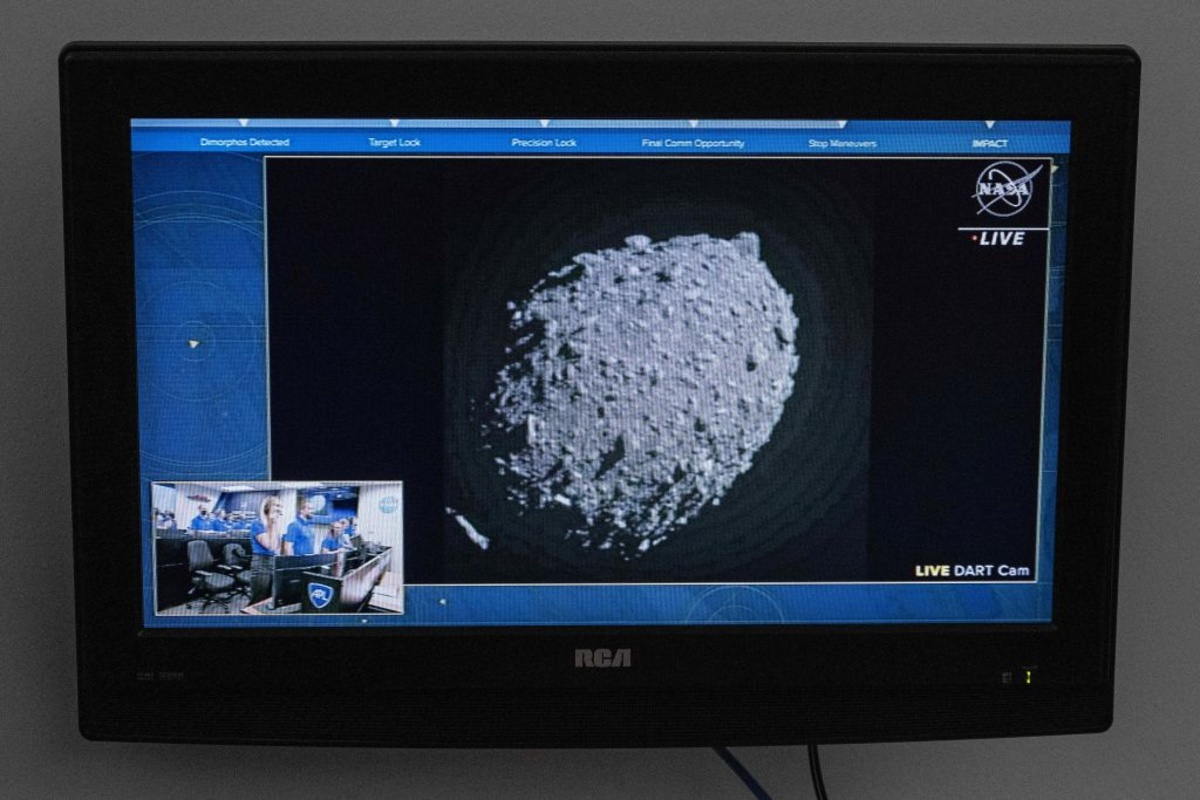
Hera Dimorphos Imaging Campaign: ESA's Hera mission design leverages experience from the DART kinetic impactor test at the Didymos binary asteroid system. No new Hera development or launch-readiness announcements appeared in this week's data; next status update expected in Q4 2026.
-
Hayabusa2 Extended Mission: JAXA's Hayabusa2 completed a successful flyby of asteroid Trifune on July 5, 2026, as part of its extended post-Ryugu mission. The spacecraft continues deeper-space exploration with remaining fuel reserves.
-
Vera Rubin Observatory Commissioning: The Legacy Survey of Space and Time (LSST) facility detection gap identified this week suggests commissioning and early operations are underway; significant improvement in small-asteroid detection is not expected until full survey capacity is reached in 2027–2028.
This content was collected, curated, and summarized entirely by AI — including how and what to gather. It may contain inaccuracies. Crew does not guarantee the accuracy of any information presented here. Always verify facts on your own before acting on them. Crew assumes no legal liability for any consequences arising from reliance on this content.
Powered by
