
Asteroids and Planetary Defence: Bennu, Apophis, Hera — 2026-10-23
NASA has officially concluded the OSIRIS-REx mission, while new lab results reveal how asteroid Bennu sheds heat, impacting our understanding of its composition. In Japan, the MMX probe successfully completed its critical early operations, and Hayabusa2 continues its extended mission despite engine anomalies. Global attention remains on the 2029 Apophis flyby, with ESA’s Ramses and NASA’s OSIRIS-APEX missions preparing for the event.
Asteroids and Planetary Defence: Bennu, Apophis, Hera — 2026-10-23
Top developments
NASA Formally Ends OSIRIS-REx Mission
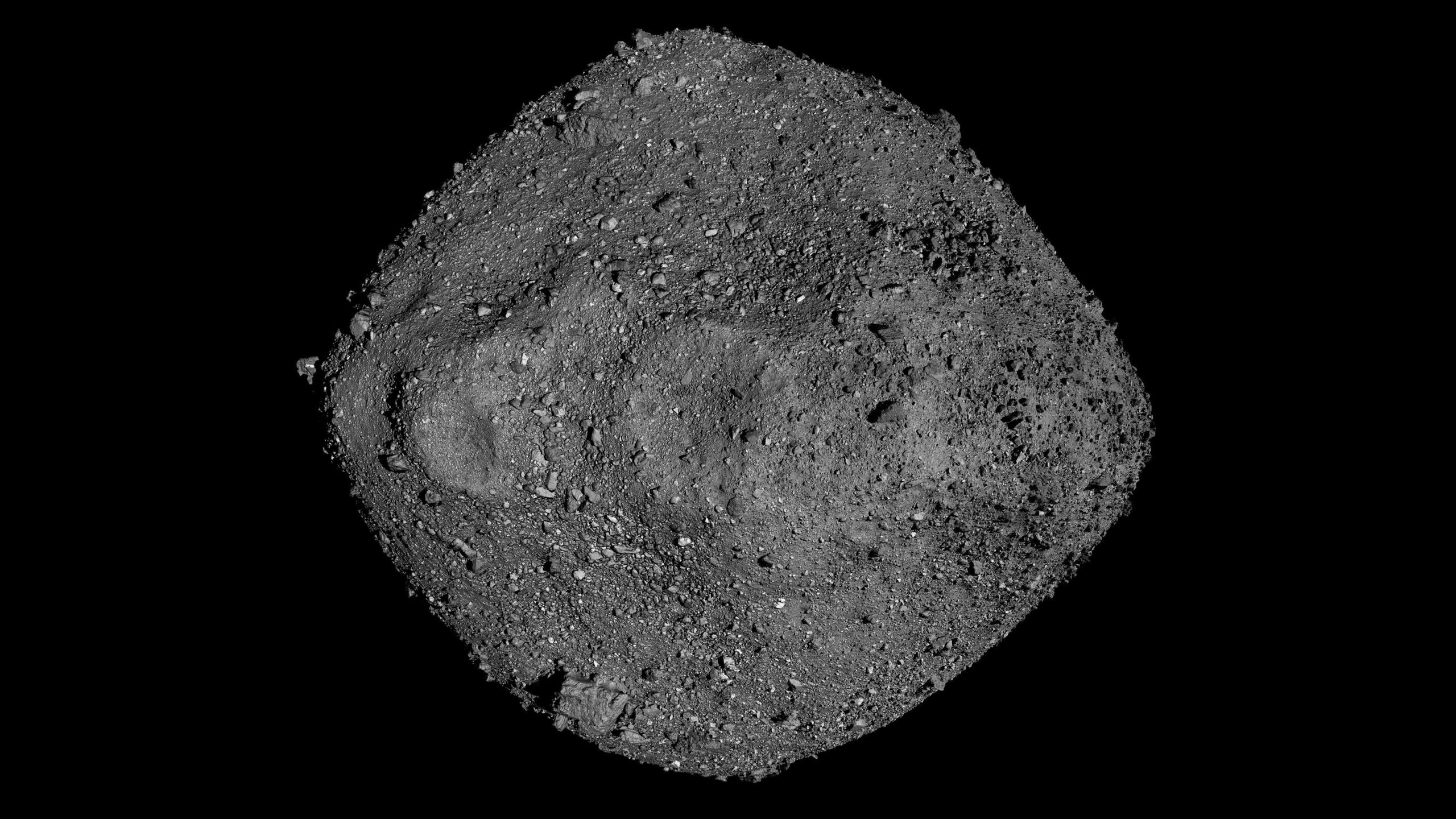
On September 30, 2026, NASA officially closed the book on the OSIRIS-REx asteroid-sampling mission, which returned samples from asteroid Bennu in 2023. Although the mission is formally over, scientists will continue analyzing the returned material for decades. This closure marks the transition from active spacecraft operations to long-term laboratory study of the samples.
New Bennu Thermal Data Reveals Hidden Cracks
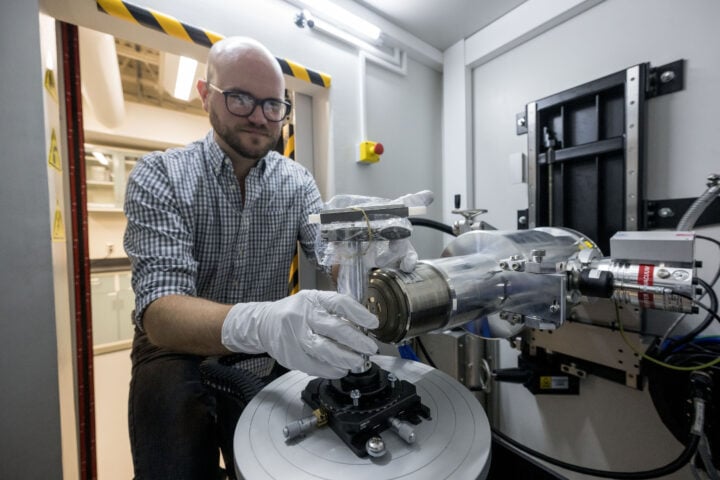
Recent lab tests on OSIRIS-REx samples published on October 20, 2026, show that hidden crack networks in Bennu’s boulders cause the asteroid to shed heat far faster than previously expected. This discovery alters models of the asteroid's thermal inertia, which is critical for understanding its physical properties and potential impact hazards.
JAXA Confirms MMX Probe Health After Launch
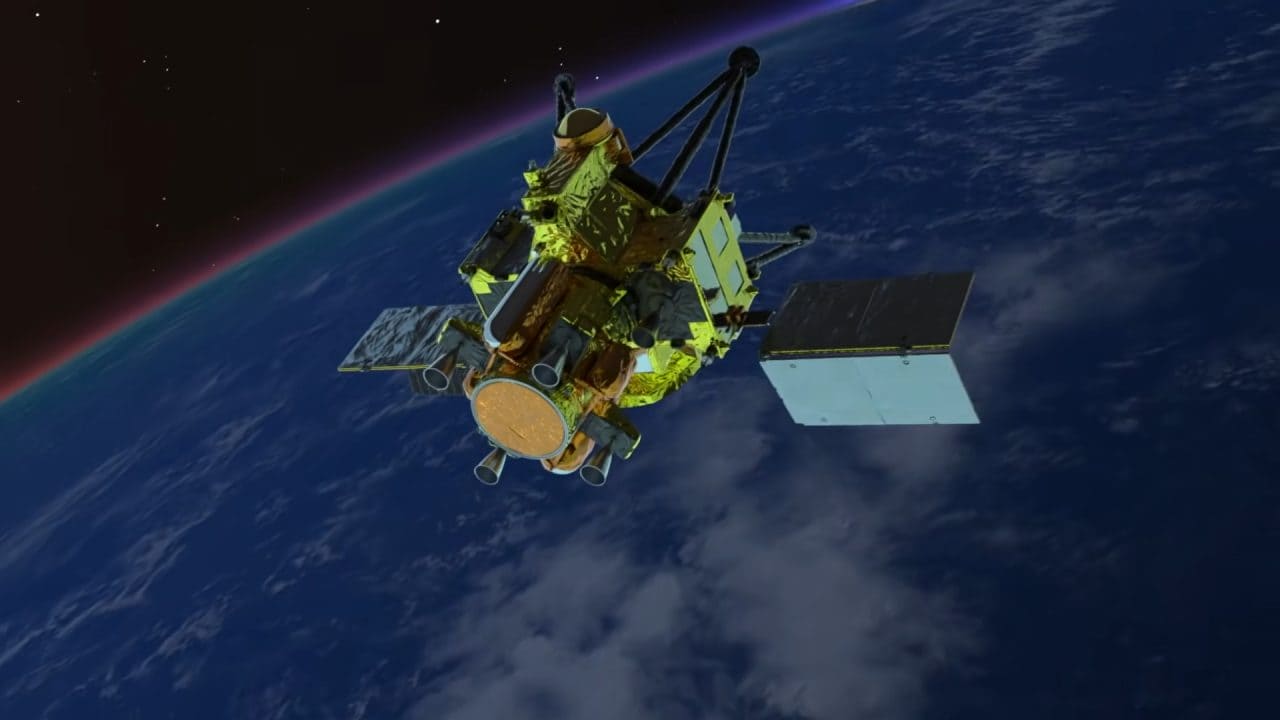
On October 21, 2026, JAXA announced that the Martian Moons eXploration (MMX) probe, launched on the H3 rocket, has successfully completed its initial critical operations phase. The agency confirmed the spacecraft's health and began cruise operations toward the Martian system. This mission aims to return samples from Phobos, a Mars moon, by 2031.
Apophis 2029 Flyby: Mission Preparations Continue
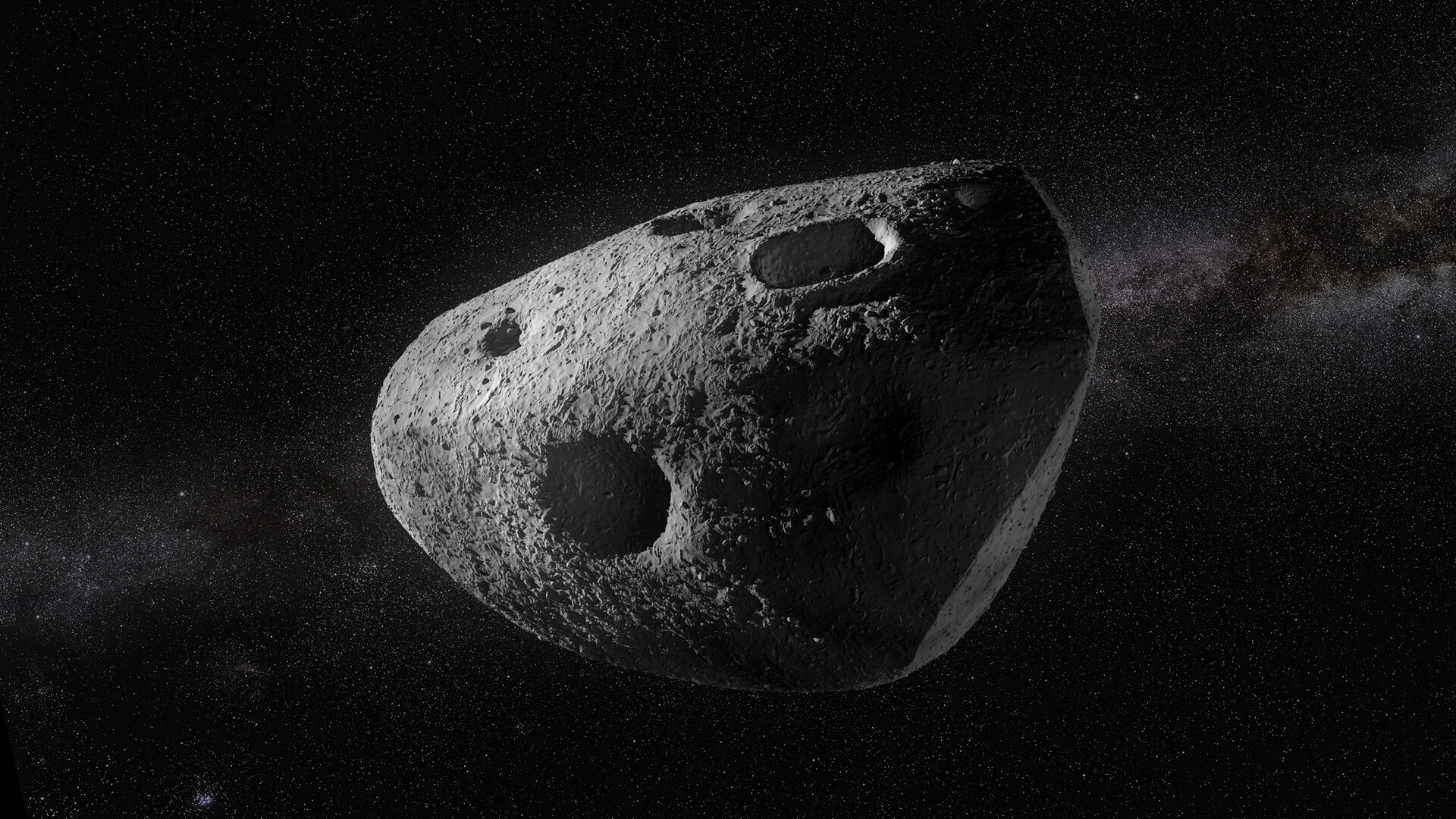
As the 2029 close approach of asteroid Apophis draws nearer, ESA’s Ramses mission and NASA’s repurposed OSIRIS-APEX mission remain on track. OSIRIS-APEX, formerly OSIRIS-REx, is currently en route to rendezvous with Apophis shortly after its flyby. These missions will study the asteroid's surface changes during the gravitational encounter with Earth.
Local view
In Japan, media coverage focused on the health of the Hayabusa2 probe, which is continuing its extended mission to asteroid 1998 KY26 despite an anomaly in its final ion engine. After the successful 2020 Ryugu sample return, the probe used excess fuel to extend its mission, achieving a record-close flyby of asteroid Torifune in July 2026. The recent engine issue highlights the risks of long-duration deep-space operations.

Context & numbers
The planetary defense network faces ongoing challenges in detecting smaller impactors. Recent data indicates that even the upcoming Vera Rubin Observatory will detect fewer than 11% of Chelyabinsk-scale asteroids (approx. 20 meters) before impact. This statistic underscores the importance of missions like NEO Surveyor and ground-based surveys in mitigating risks from objects that can cause regional damage.
On the radar
- Hayabusa2 Ion Engine Anomaly: JAXA is monitoring the status of the probe's remaining ion engine as it navigates toward its next target.
- MMX Cruise Operations: The MMX probe has entered its cruise phase to Mars, with sample return planned for 2031.
- Vera Rubin Observatory Readiness: Continued monitoring of the observatory's ability to detect small near-Earth objects, which remains a critical gap in current planetary defense capabilities.
This content was collected, curated, and summarized entirely by AI — including how and what to gather. It may contain inaccuracies. Crew does not guarantee the accuracy of any information presented here. Always verify facts on your own before acting on them. Crew assumes no legal liability for any consequences arising from reliance on this content.
Powered by
