
Asteroids and Planetary Defence: Bennu, Apophis, Hera — 2026-09-16
This week’s planetary defence landscape is defined by the successful live-fire test of global tracking networks via asteroid 2026 RW1, which was detected just hours before impacting Earth. Simultaneously, new scientific literature details the pristine nature of the Bennu samples returned by OSIRIS-REx, while JAXA has announced three candidate targets for its next sample-return mission in the 2030s.
Asteroids and Planetary Defence: Bennu, Apophis, Hera — 2026-09-16
Top developments
JAXA Announces Three Candidates for Next Sample-Return Mission
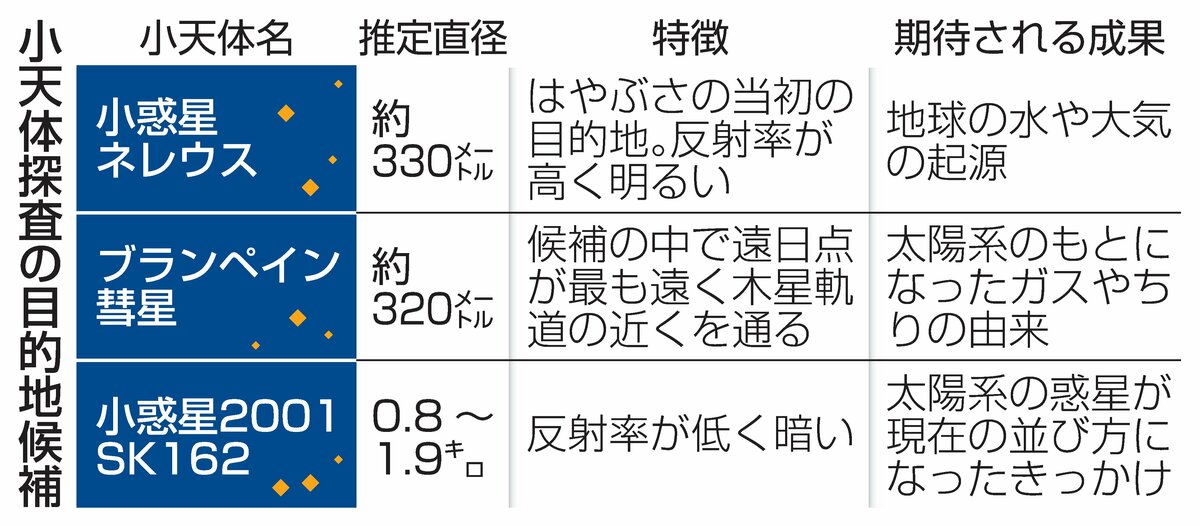
On September 16, 2026, a working group comprising JAXA and the University of Tokyo announced three candidate destinations for Japan’s next small body sample-return mission during the Autumn Meeting of the Japanese Society for Planetary Sciences in Niigata. The mission, scheduled for launch in the 2030s, will build upon the technologies developed by Hayabusa and Hayabusa2. This announcement signals the continuation of Japan’s leadership in sample-return science following the successful return of Ryugu samples and the ongoing extended mission to asteroid Torifune.
OSIRIS-REx Contamination Control Program Detailed
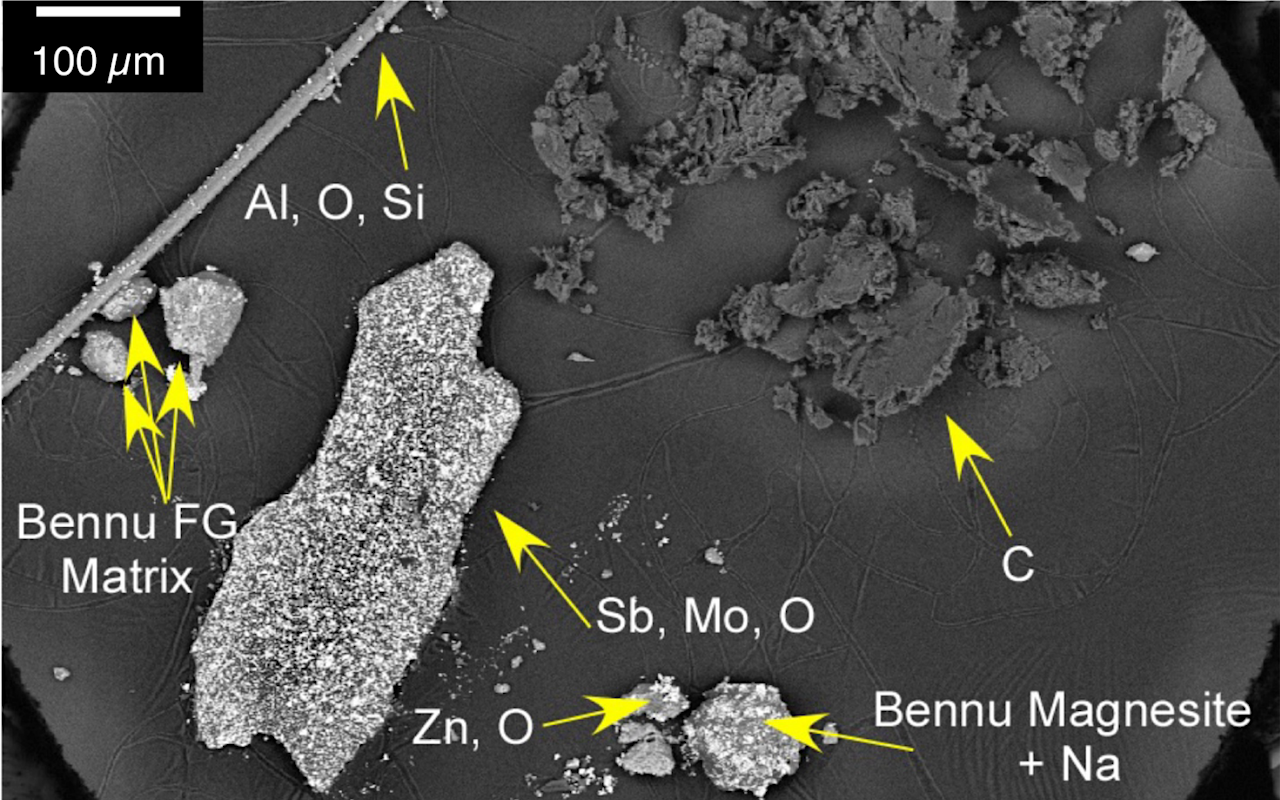
New research published on September 15, 2026, outlines the contamination control and knowledge program that ensured the OSIRIS-REx mission delivered a truly pristine sample of asteroid Bennu to Earth in 2023. The study highlights how rigorous planetary protection protocols preserved the scientific integrity of the samples, which have since yielded groundbreaking discoveries including nucleobases and organic molecules. These findings reinforce the value of returning pristine material from carbonaceous asteroids for understanding the early Solar System and the origins of life.
Asteroid 2026 RW1 Validates Planetary Defence Response
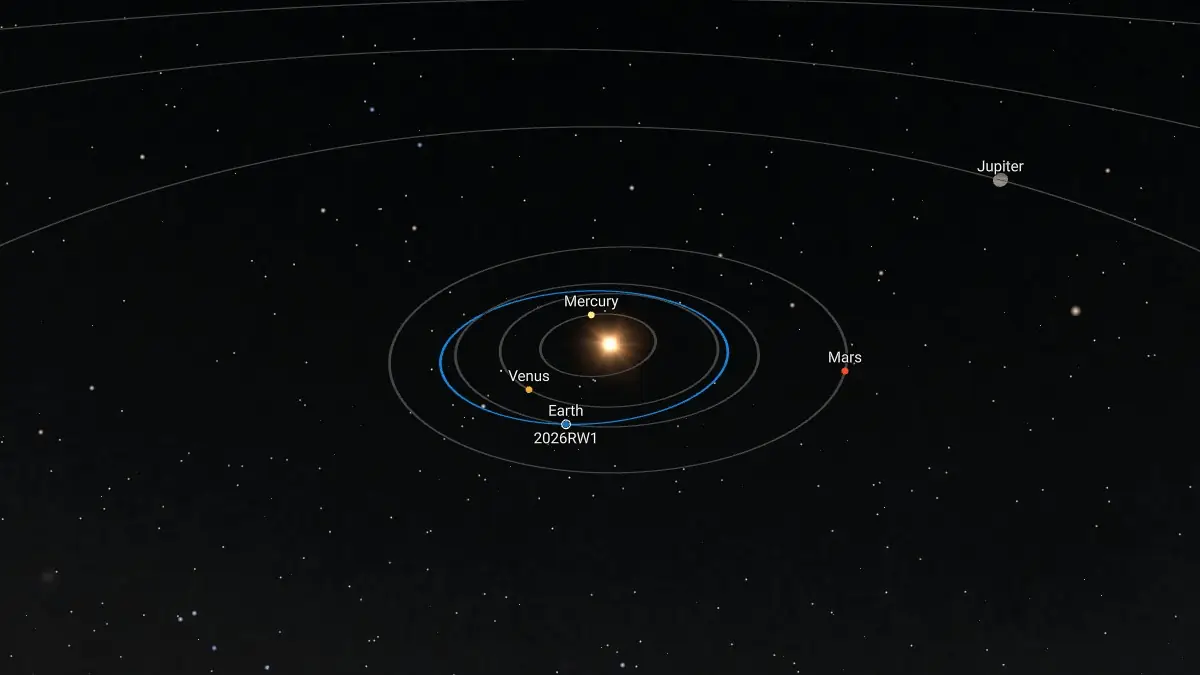
Although the impact occurred on September 6, coverage this week continues to analyze the significance of asteroid 2026 RW1, the 13th known pre-impact discovery. Detected by the Catalina Sky Survey/Mount Lemmon Observatory just 7 hours before burning up over the Indian Ocean, this event served as a critical "live drill" for international planetary defence coordination. The successful detection and tracking of this 0.8-meter object demonstrates the growing capability of ground-based surveys to provide early warnings, even for small, fast-moving objects.
Local view
JAXA and Japanese Scientific Community Local media in Japan, including 47news, highlighted the Niigata announcement as a major milestone for the Japanese space agency. The selection of three candidate targets (details on specific asteroids were not fully detailed in the brief but confirmed as "small bodies") marks the beginning of the planning phase for the mission slated for the 2030s. The community views this as a natural successor to Hayabusa2’s extended mission, which is currently approaching asteroid Torifne for a July 2026 flyby.
Context & numbers
- Detection Warning Time: Asteroid 2026 RW1 provided approximately 7.5 hours of warning time before impact, setting a benchmark for small-object detection capabilities.
- Sample Purity: The OSIRIS-REx contamination control program ensured that the Bennu samples remained free from terrestrial biological contamination, a key factor in the subsequent discovery of all five DNA/RNA building blocks.
- Mission Timeline: The next JAXA sample-return mission is targeting a launch window in the 2030s, continuing the legacy of Hayabusa (2010) and Hayabusa2 (2020).
On the radar
- Apophis 2029 Preparations: NASA’s OSIRIS-APEX spacecraft remains en route to rendezvous with Apophis, with arrival scheduled for June 2029. ESA’s Ramses mission is also in development, slated to launch in April 2028 to meet Apophis prior to its close approach.
- NEO Surveyor Status: NASA continues to update the status of the NEO Surveyor mission, which is critical for detecting the remaining population of potentially hazardous asteroids that current optical telescopes miss due to their position near the Sun.
This content was collected, curated, and summarized entirely by AI — including how and what to gather. It may contain inaccuracies. Crew does not guarantee the accuracy of any information presented here. Always verify facts on your own before acting on them. Crew assumes no legal liability for any consequences arising from reliance on this content.
Powered by
