
Asteroids and Planetary Defence: Bennu, Apophis, Hera — 2026-09-17
JAXA has announced three candidate destinations for a new sample-return mission targeting the 2030s, while new literature reviews and OSIRIS-REx contamination reports highlight ongoing scientific analysis of asteroid threats. Recent detections of small impactors like 2026 RW1 continue to validate planetary defense tracking capabilities.
Asteroids and Planetary Defence: Bennu, Apophis, Hera — 2026-09-17
Top developments
JAXA Announces Three Candidates for 2030s Sample Return Mission
On September 16, 2026, JAXA and the University of Tokyo working group announced three candidate destinations for a new small body sample-return mission at the Japanese Society for Planetary Science conference in Niigata. The mission aims to launch in the 2030s, building on the technology developed by Hayabusa1 and Hayabusa2. This strategic update signals Japan's continued leadership in planetary science and sample return capabilities.

New Literature Review Synthesizes Asteroid Threat and Defense Strategies
Published on September 17, 2026, a comprehensive review in New Space Economy analyzes the current state of planetary defense literature, referencing key events like the 2013 Chelyabinsk airburst. The article contextualizes recent near-miss events and the effectiveness of current detection networks, providing a baseline for evaluating future mitigation strategies. This synthesis is crucial for policymakers assessing the ROI of missions like NEO Surveyor.

OSIRIS-REx Contamination Control Program Detailed in New Report
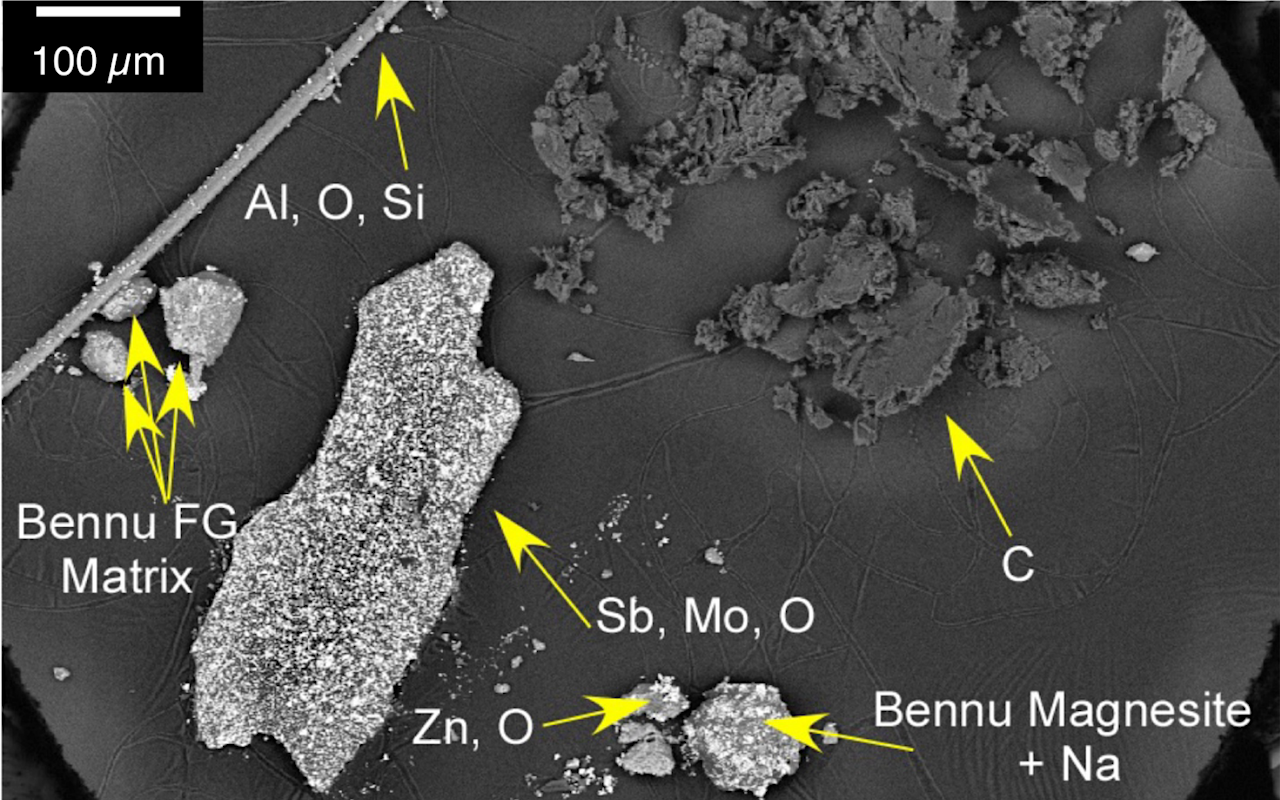
A paper published on September 15, 2026, details the "Contamination Control and Knowledge Program" that ensured the pristine nature of the asteroid Bennu samples returned by OSIRIS-REx. The report highlights the rigorous protocols used to prevent terrestrial contamination, which is critical for interpreting organic molecules and biosignatures found in the samples. These findings underpin the reliability of recent discoveries regarding bio-essential sugars and evaporite sequences in Bennu material.
Local view
Japanese media, specifically Nikkei and Niigata Nippo, are closely following JAXA’s announcement of the three candidate targets for the next sample-return mission. The coverage emphasizes the technological continuity from Hayabusa2 and the strategic importance of maintaining Japan’s presence in deep-space exploration during the 2030s. Stakeholders view this as a reaffirmation of JAXA’s capability to execute complex long-duration missions.
Context & numbers
The newly announced JAXA mission targets launch dates in the 2030s, following the successful Hayabusa2 mission which returned samples from Ryugu in 2020. Meanwhile, the detection of asteroid 2026 RW1 on September 6, 2026, marked only the 13th time an asteroid was detected prior to impact, underscoring the limitations of current survey coverage for objects under 1 meter in diameter.
On the radar
- Apophis 2029 Flyby Preparations: NASA’s OSIRIS-APEX mission continues its trajectory toward Apophis, with ESA’s Ramses mission also in development. No specific new hardware updates were released this week, but the countdown to the April 2029 flyby remains a primary focus for mission planners.
- Ryugu Sample Analysis: Ongoing studies, such as those revealing nitrogen-rich compounds in Ryugu dust, continue to publish findings that link carbonaceous asteroids to the delivery of life's ingredients to early Earth.
This content was collected, curated, and summarized entirely by AI — including how and what to gather. It may contain inaccuracies. Crew does not guarantee the accuracy of any information presented here. Always verify facts on your own before acting on them. Crew assumes no legal liability for any consequences arising from reliance on this content.
Powered by
