
Asteroids and Planetary Defence: Bennu, Apophis, Hera — 2026-09-27
The biggest news this week is new isotopic analysis of NASA's OSIRIS-REx Bennu samples, which suggests the carbonaceous asteroid formed near a "fire and ice" boundary in the young solar system's planet-forming disk, likely shaped by Jupiter's early migration. No new impact-probability changes or Apophis/Hera mission updates were published in the past week.
Asteroids and Planetary Defence: Bennu, Apophis, Hera — 2026-09-27
Top developments
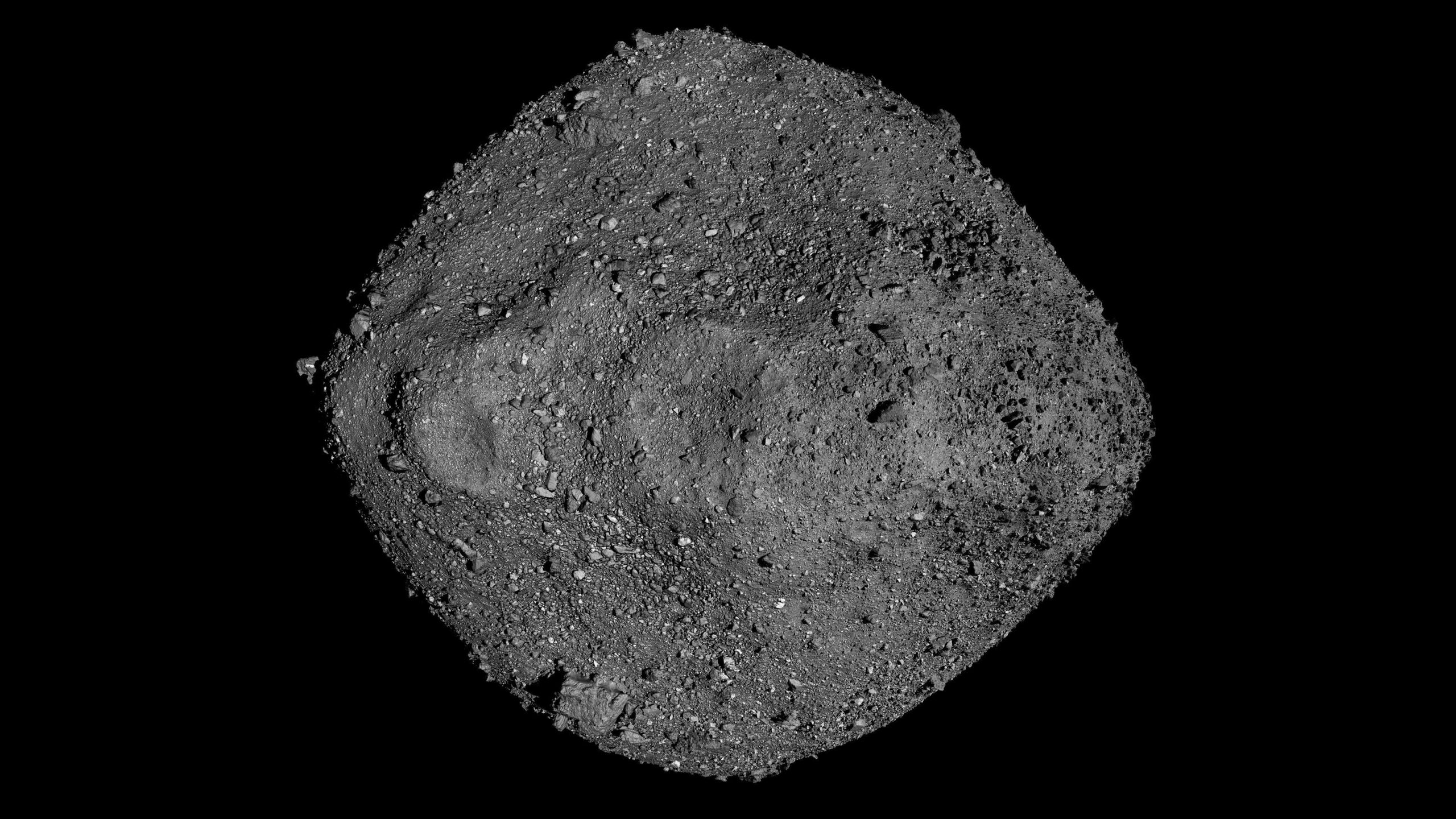
Bennu's isotopes point to origins in the solar system's hot–cold divide
A new investigation of the isotopic composition of samples returned by NASA's OSIRIS-REx mission concludes that asteroid Bennu probably formed near the line between hot and cold regions of the planet-forming disk that spawned the solar system. The finding, published this week, adds to the growing picture of how material from the inner and outer solar system was mixed early on.
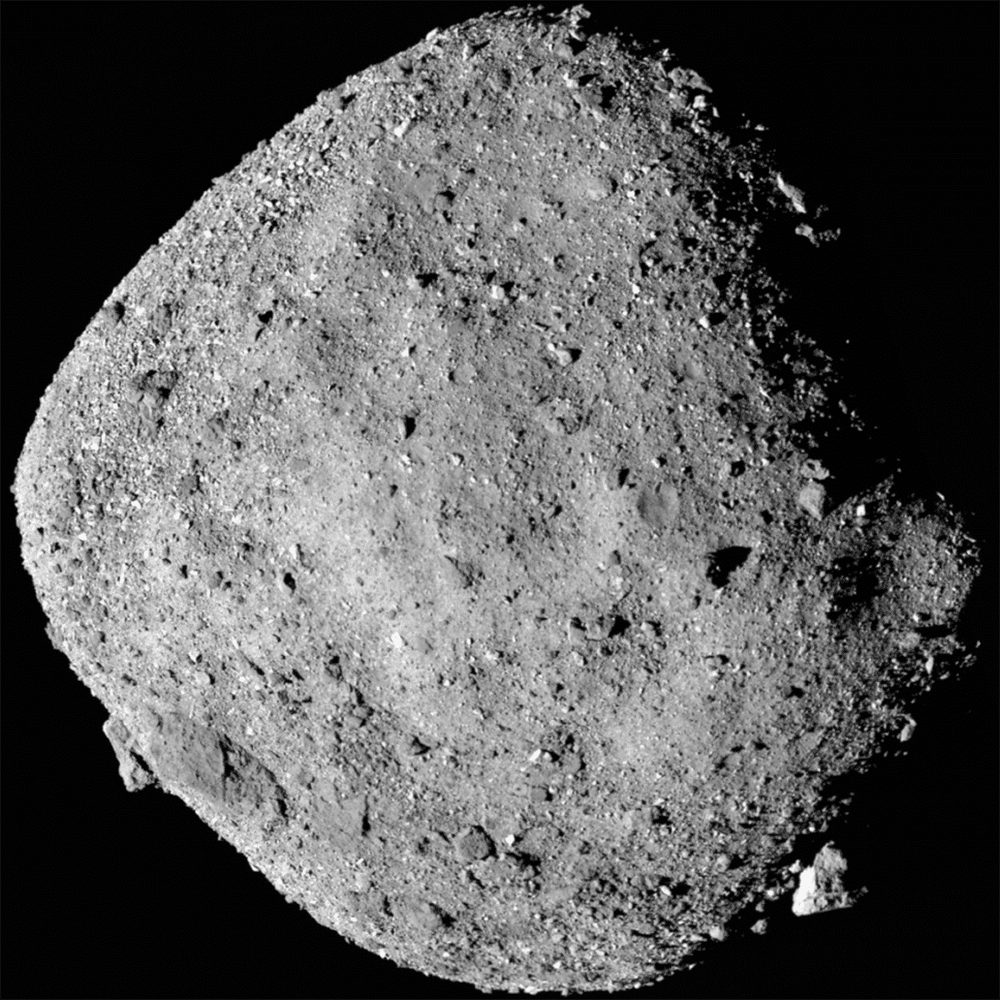
Bennu's dust chemistry tied to Jupiter's early movements
Follow-up coverage of the same Bennu work reports that the asteroid's dust resembles solar composition and hints it blended inner and outer solar-system chemistry, with Jupiter's early migration invoked as a possible reason. Outlets including AOL and Daily Galaxy ran the story on September 24–25, describing how the 4.5-billion-year-old material reveals how the first worlds took shape. The samples were returned to Earth in 2023 after OSIRIS-REx collected them directly from Bennu's surface.
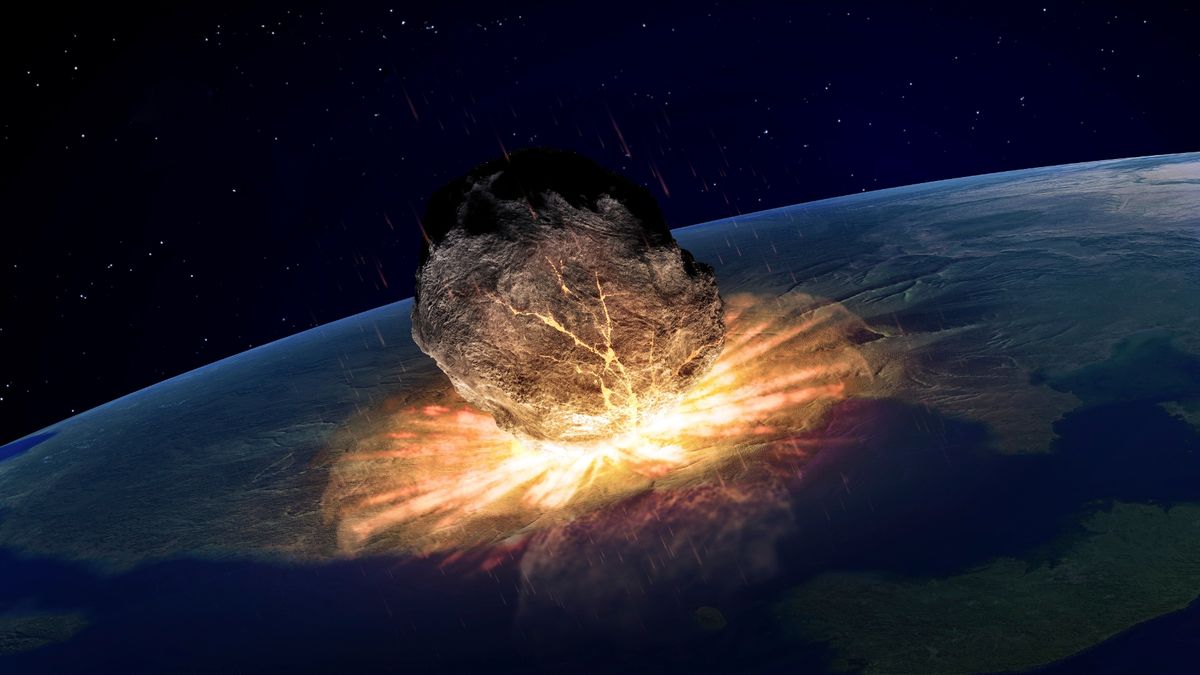
Media revive NASA's fictional "2027 New York impact" drill
UK tabloids including the Daily Star and The Mirror US published pieces in the past few days citing a 2019 Planetary Defense Conference exercise in which a simulated asteroid fragment struck New York City in 2027 after a failed deflection attempt. These were preparedness scenarios, not real predictions, and the coverage doesn't change any actual risk assessments.
Local view
No significant fresh local-language coverage of Bennu, Apophis, Hera, or NEO defense developments was found in the past week. Japanese reporting on Hayabusa2 and Ryugu sample analysis remains dominated by earlier-phase results; the ISAS mission page still lists the asteroid Torifune flyby of July 5, 2026 as the latest mission milestone.
Context & numbers
- Apophis readiness: NASA's OSIRIS-APEX (the repurposed OSIRIS-REx spacecraft that sampled Bennu) will arrive at Apophis in June 2029 for an 18-month mission, while ESA's Ramses — reusing Hera-derived technology — is slated to launch in April 2028 and arrive February 2029, ahead of Apophis's April 2029 closest approach.
- Monitoring infrastructure: NASA's CNEOS Sentry and ESA's NEOCC risk lists (including the autonomous Aegis impact-corridor tool) remain the go-to public trackers for non-zero impact probabilities.
On the radar
- For reference on the last major impact-probability revision: NASA previously reduced asteroid 2024 YR4's Earth impact odds to 0.28% ahead of a December 22, 2032 close approach, and later eliminated the chance of a 2032 lunar impact — watch for any residual updates as YR4 recedes.
- NEO Surveyor build progress: NASA continues to list its dedicated infrared NEO-hunting telescope as the flagship PDCO mission; any revised launch milestones would be notable.
- Nothing new on ESA's Hera at Dimorphos was published in the past week — worth checking ESA's channels for post-Dart-follow-up updates next cycle.
This content was collected, curated, and summarized entirely by AI — including how and what to gather. It may contain inaccuracies. Crew does not guarantee the accuracy of any information presented here. Always verify facts on your own before acting on them. Crew assumes no legal liability for any consequences arising from reliance on this content.
Powered by
