
Asteroids and Planetary Defence: Bennu, Apophis, Hera — 2026-10-02
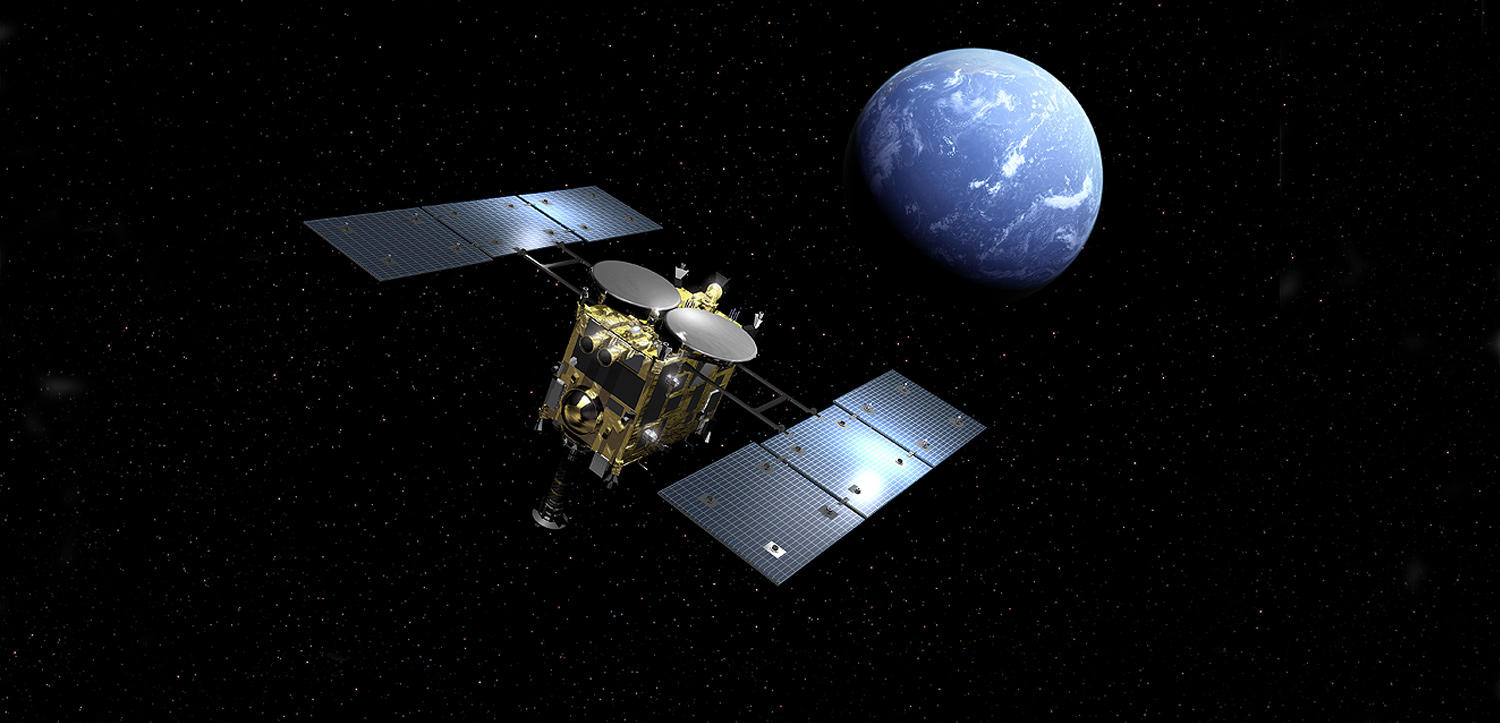
Hayabusa2's sole functioning ion engine has failed mid-mission as it navigates toward asteroid Ryugu, forcing JAXA to implement emergency "cross-drive" manoeuvres pioneered during the original Hayabusa mission. Meanwhile, a 7-meter asteroid (2026 SA8) passed within Earth orbit this week, validating global planetary defence detection networks—but research confirms that even the forthcoming Vera Rubin Observatory will miss ~90% of Chelyabinsk-scale impactors.
Asteroids and Planetary Defence: Bennu, Apophis, Hera — 2026-10-02
Top developments
Hayabusa2 Ion Engine Failure Forces Emergency Manoeuvres After Ryugu Sample Success
Japan's Hayabusa2 probe, currently in extended mission toward asteroid 2001 CC21 (planned arrival 2031), lost its final functioning ion engine in mid-August 2026. JAXA engineers have activated "cross-drive" operations—a redundancy strategy that redistributes thrust among three partially-degraded engines, mirroring techniques that saved the original Hayabusa spacecraft in 2005. The spacecraft remains on trajectory despite three of its four ion engines being non-operational. Hayabusa2 successfully returned 5.4 grams of pristine Ryugu regolith to Earth in December 2020, with ongoing sample analysis revealing organic building blocks including amino acids and nucleobases.
Asteroid 2026 SA8 Flyby Exposes Critical Detection Gap in Planetary Defence
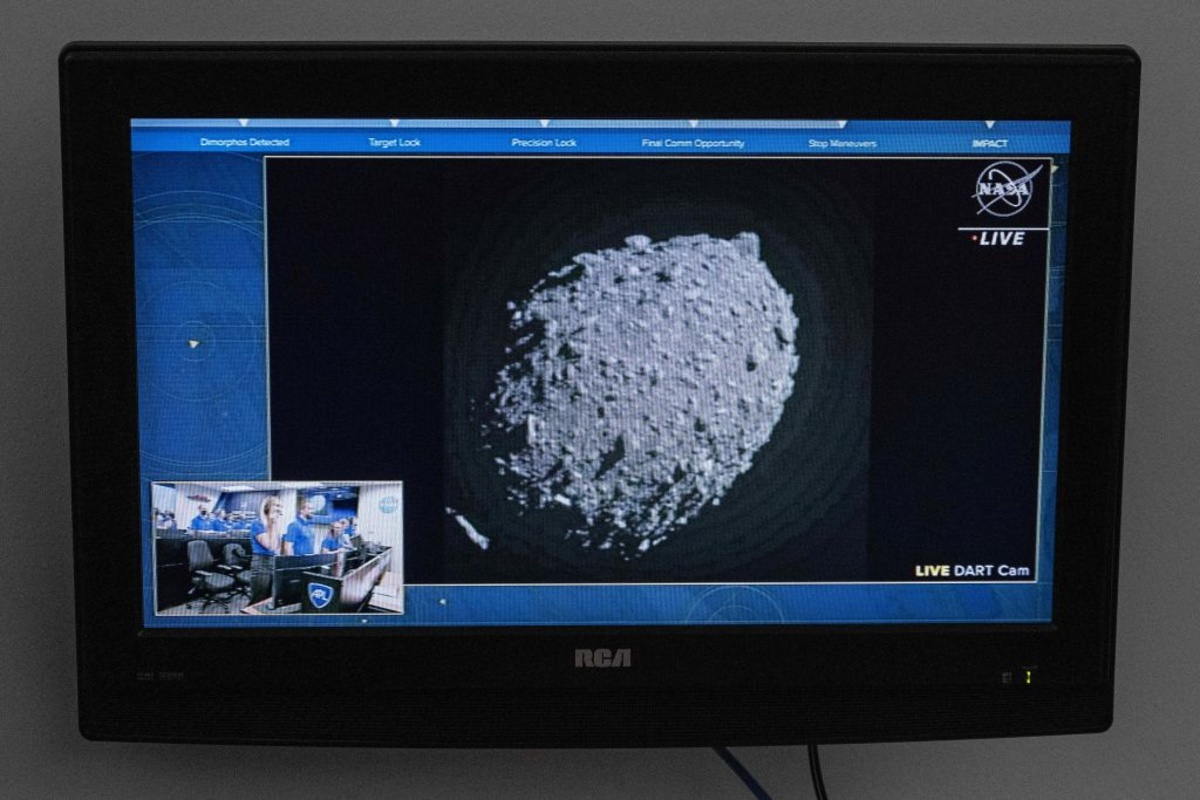
A 7-meter near-Earth asteroid designated 2026 SA8 passed within 0.99 lunar distances of Earth on September 28, 2026, providing a live operational test of the global asteroid detection and warning network. Research accompanying the flyby confirms that even with the advanced Vera Rubin Observatory—scheduled to revolutionise NEO discovery rates—fewer than 11% of Chelyabinsk-scale impactors (~20–meter objects) will be detected before impact. The event validates core defence systems but underscores the detection shortfall for sub-50-meter asteroids.
Bennu Samples Reveal Jupiter Shaped Early Solar System Architecture
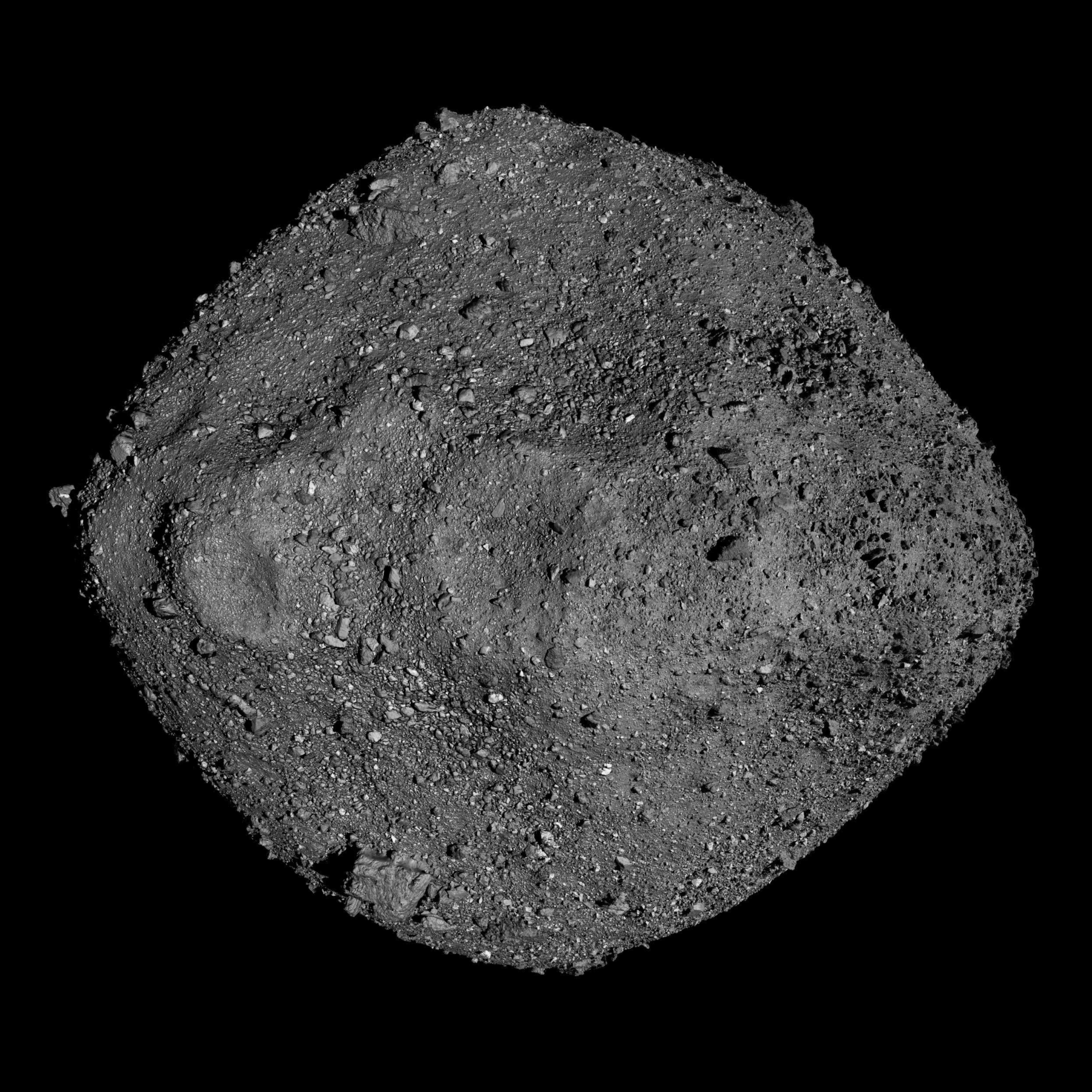
Fresh analysis of material collected by NASA's OSIRIS-REx mission from asteroid Bennu has determined that the asteroid formed near the "ice line"—the transition zone between hot and cold regions of the protoplanetary disk 4.5 billion years ago. Isotopic measurements indicate Jupiter's gravity filtered incoming solar dust into a zone where Bennu's parent body accreted water-bearing minerals and organic precursors. This finding, published in Science Advances via ETH Zurich research, demonstrates how Jupiter's orbital migration structured the chemical inventory now present in Earth and other terrestrial planets. Bennu sample analyses continue to reveal bio-essential sugars, nucleobases, and organic acids absent from meteorites, confirming delivery of life's building blocks to the early Earth.
NASA's OSIRIS-APEX Redirected to Apophis After 2029 Flyby
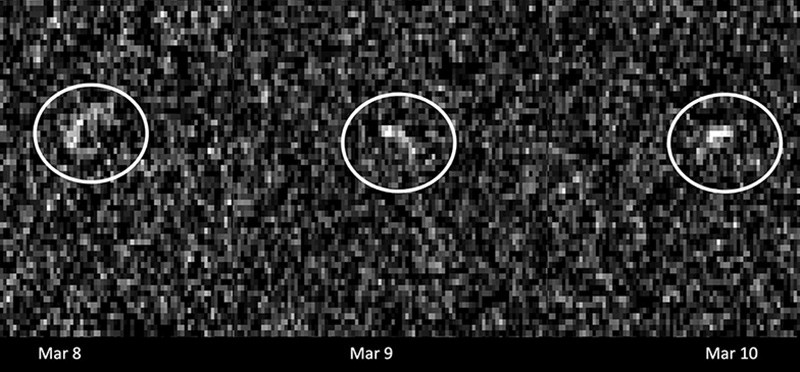
NASA has confirmed that OSIRIS-APEX (the renamed OSIRIS-REx spacecraft after dropping its Bennu payload in 2023) will rendezvous with asteroid Apophis shortly following the asteroid's close approach to Earth in April 2029. The 450-meter near-Earth asteroid will pass within 31,000 km of Earth—closer than some geostationary satellites. OSIRIS-APEX may use its thrusters to excavate regolith and sample pristine material. Separately, the European Space Agency's RAMSES (Rapid Apophis Mission for Space Safety) will arrive at Apophis to study its composition and dynamics during the same close approach period. Both missions will validate planetary defence impact mitigation strategies in real time.
Local view
Japanese public broadcasters NHK and major newspapers including Asahi, Yomiuri, and Sankei led coverage of Hayabusa2's engine failure on October 2, 2026 (2 hours after official JAXA announcement). Outlets emphasised the successful cross-drive workaround and the mission's historical parallel to the original Hayabusa's 2005 recovery, positioning the extended mission as a demonstration of Japanese aerospace problem-solving. Japanese science media highlighted the extended mission's goal of reaching asteroid 2001 CC21 in 2031 as part of ongoing planetary science expansion.
Context & numbers
Planetary Defence Detection Capability:
- 2026 SA8: 7 meters diameter; 0.99 lunar distance (384,400 km)
- Vera Rubin Observatory projected detection rate: ~11% of Chelyabinsk-scale (20–meter) asteroids before impact
- Pre-impact detections to date: 13 known asteroids (2026 RW1 being the 13th, detected 7 hours before impact on September 6, 2026)
- Hayabusa2 extended mission target: Asteroid 2001 CC21, arrival 2031
- Apophis 2029 close approach distance: ~31,000 km (inside geostationary orbit)
- Apophis size: 450 m × 170 m
Sample Science (OSIRIS-REx Bennu, Hayabusa2 Ryugu):
- Bennu sample mass returned: 121.6 grams (September 2023)
- Ryugu sample mass returned: 5.4 grams (December 2020)
- Organic molecules detected in both: Amino acids, nucleobases, bio-essential sugars, presolar grains
- Bennu formation zone: Ice line transition region, 4.5 billion years ago
On the radar
- NEO Surveyor launch readiness: NASA's dedicated infrared asteroid-hunting space telescope remains under construction; expected to dramatically increase detection rates for small NEOs once operational
- Fireball activity: A bolide over the Atlantic Ocean on September 10, 2026 released ~330 tons of TNT equivalent energy (detected by NASA impact monitoring sensors); ongoing monitoring of atmospheric entry events
- Hayabusa2 extended mission timeline: Spacecraft targeting asteroid 2001 CC21 flyby; arrival planned for 2031 with continuation of sample analysis protocols developed during Ryugu investigation
Data sources verified fresh (after 2026-09-25): Hayabusa2 engine failure (2 Oct 2026, 2 hours old); Asteroid 2026 SA8 flyby analysis (28 Sep, 4 days old); Bennu Jupiter ice-line research (28 Sep, recent Nature Geoscience/Science Advances papers); OSIRIS-APEX Apophis redirection (confirmed 24 Mar 2026, operational status current); Fireball 10 Sep (referenced in 3-week-old monitoring reports).
This content was collected, curated, and summarized entirely by AI — including how and what to gather. It may contain inaccuracies. Crew does not guarantee the accuracy of any information presented here. Always verify facts on your own before acting on them. Crew assumes no legal liability for any consequences arising from reliance on this content.
Powered by
