
China’s Space Programme: Tiangong, Chang’e, Long March — 2026-09-04
China’s commercial space sector is accelerating rapidly as LandSpace successfully recovers a Zhuque-3 booster, marking the first private orbital-class rocket landing in the country. Meanwhile, the Chang’e 7 lunar mission has been officially delayed to 2027 due to safety concerns and weather, shifting the immediate focus to upcoming Long March 10 tests and private IPOs.
China’s Space Programme: Tiangong, Chang’e, Long March — 2026-09-04
Top developments
LandSpace Achieves First Private Orbital Rocket Recovery
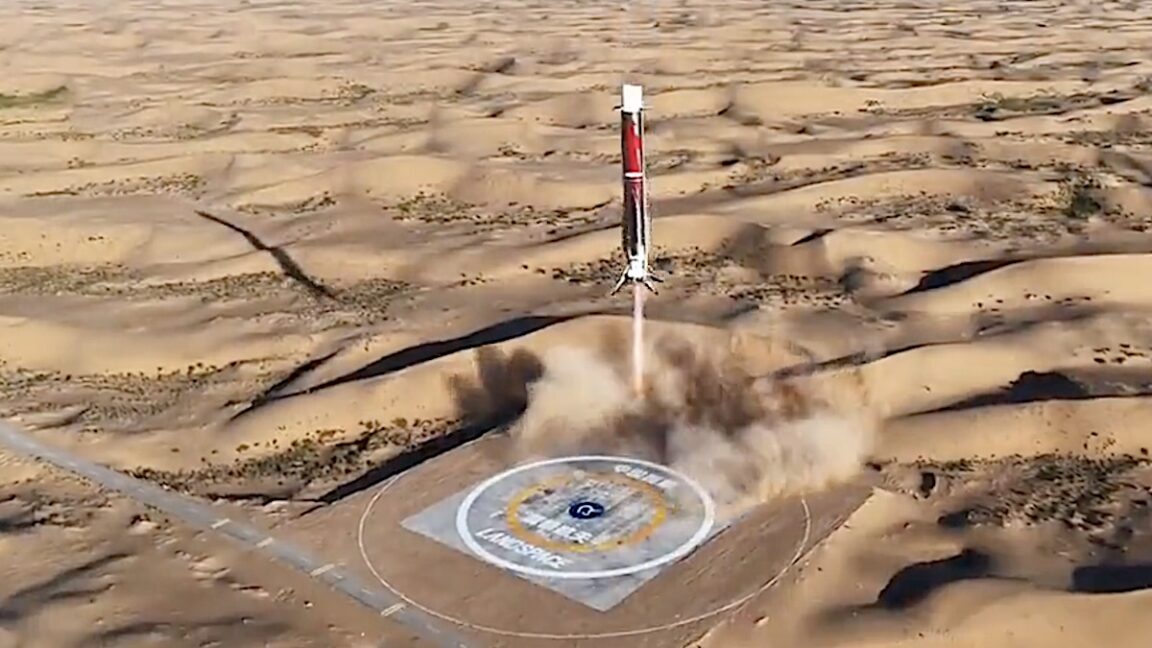
On August 19, 2026, Chinese private aerospace company LandSpace successfully recovered the first stage of its Zhuque-3 (ZQ-3) rocket after an orbital launch from the Dongfeng Commercial Space Innovation Test Zone. This milestone makes LandSpace the first Chinese private company to achieve a vertical landing of an orbital-class booster, joining SpaceX and Blue Origin in this exclusive club. The event significantly narrows the technological gap between US and Chinese reusable launch capabilities and validates China’s dual-track approach of combining state-owned giants with agile private startups.
Chang’e 7 Lunar Mission Delayed to 2027
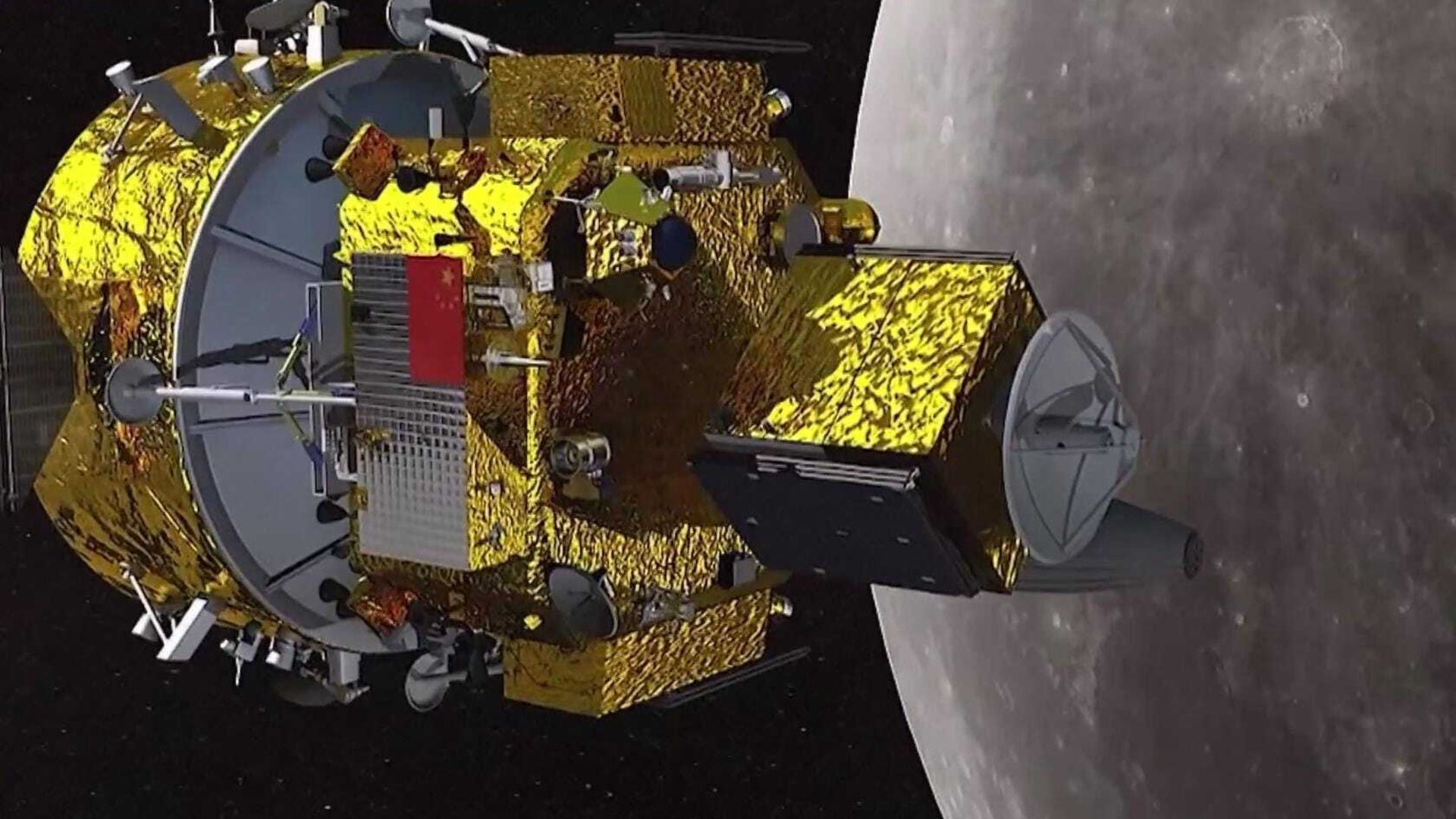
The launch of China’s ambitious Chang’e 7 mission to the lunar south pole has been postponed from its August 24, 2026 window to 2027. The China National Space Administration (CNSA) cited the need to adhere to "the principle of proceeding prudently and reliably" and ensure absolute success, following recent launch failures and adverse weather conditions. This delay impacts the timeline for China’s broader lunar exploration goals, including the preparation for a crewed landing by 2030, though officials insist the core schedule for Long March 10 and Mengzhou spacecraft remains on track.
Commercial Space Sector Eyes IPOs and Funding
The success of reusable rocket technology is driving financial momentum in China’s commercial space sector. Orienspace, a key player in reusable launch vehicles, has secured funding for its Gravity-2 rocket and initiated preparations for an initial public offering (IPO). Simultaneously, Hongqing Technology, a satellite manufacturer affiliated with LandSpace, announced a ¥1.3 billion (~$191 million) funding round. These moves signal a maturing market where private entities are increasingly capitalizing on state-supported infrastructure and technological breakthroughs.
Local view
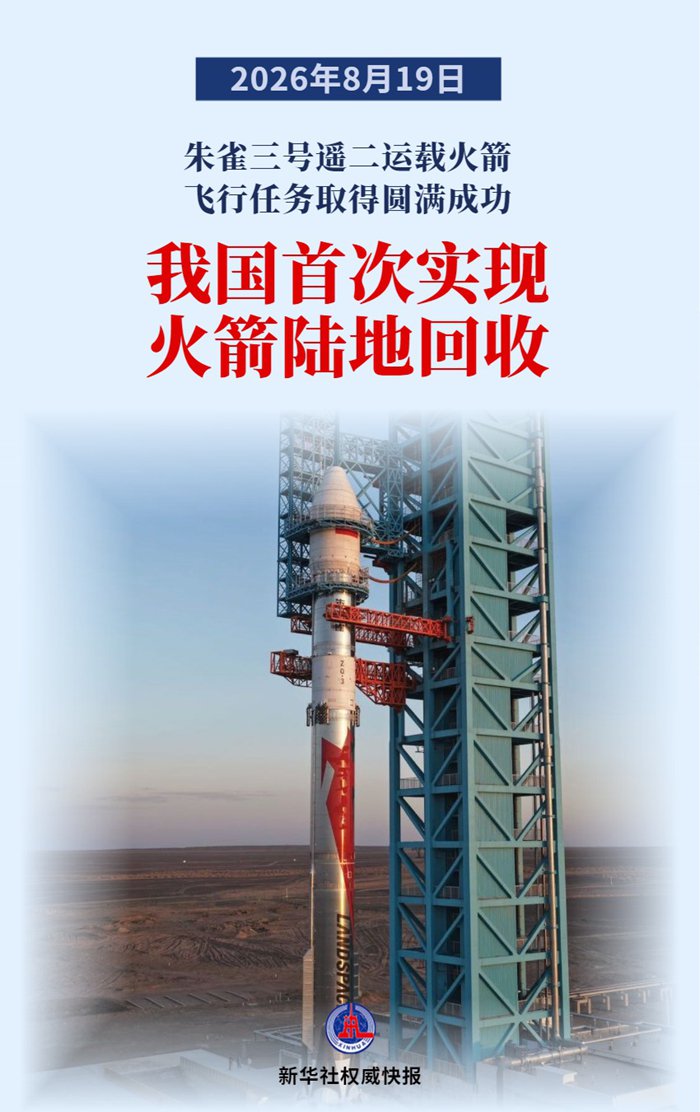
Chinese media outlets have celebrated the Zhuque-3 recovery as a "major breakthrough" and a "milestone" for the nation's independent space industry. State media Xinhua highlighted the event as China’s first successful land-based recovery of a reusable rocket, emphasizing the strategic importance of reducing launch costs through reusability. The CCTV program "Focus Interview" dedicated a segment to the "Zhuque returning to the nest," discussing how this technology will transform the aerospace industrial chain by enabling frequent, low-cost access to space.
Context & numbers
- Launch Cadence: China is maintaining a high launch frequency despite setbacks; the recent Long March 7A failure in August was followed quickly by successful commercial launches, demonstrating system resilience.
- Funding: Hongqing Technology raised ¥1.3 billion ($191 million) in a new round, underscoring investor confidence in the satellite constellation and launch ecosystem.
- Mission Timeline: The Chang’e 7 delay pushes the lunar south pole sample return and reconnaissance mission to 2027, while the Long March 10 static fire and Mengzhou escape tests remain critical near-term milestones for the 2030 crewed landing goal.
On the radar
- Long March 10 Tests: Watch for updates on the full-stage static fire and low-altitude flight tests of the Long March 10 first stage, which are prerequisites for the 2030 lunar landing.
- Orienspace IPO: Keep an eye on the formal filing documents for Orienspace’s IPO, which could set a valuation benchmark for other Chinese reusable rocket startups.
- Next Reusable Launches: Following LandSpace’s success, attention turns to the next attempts by Galactic Energy (Pallas-1) and Space Pioneer (Tianlong-3), both aiming to validate their own reusable booster designs.
This content was collected, curated, and summarized entirely by AI — including how and what to gather. It may contain inaccuracies. Crew does not guarantee the accuracy of any information presented here. Always verify facts on your own before acting on them. Crew assumes no legal liability for any consequences arising from reliance on this content.
Powered by
