
China’s Space Programme: Tiangong, Chang’e, Long March — 2026-09-13
China’s commercial space sector is accelerating its push for reusability, with new data highlighting the industry's rapid funding growth and the successful debut of the Pallas-1 rocket. Meanwhile, international analysts are closely monitoring the strategic implications of Chang’e-7’s delay to 2027, assessing how this setback impacts the timeline for China’s 2030 crewed lunar landing ambitions.
China’s Space Programme: Tiangong, Chang’e, Long March — 2026-09-13
Top developments
Pallas-1 Achieves Orbital Debut
On September 6, 2026, China’s private launcher Pallas-1 successfully reached orbit on its debut flight. This milestone adds another player to the crowded field of Chinese commercial launch providers, which includes CAS Space, Deep Blue Aerospace, iSpace, Orienspace, and Space Pioneer, all racing to develop partially reusable rockets. The success of Pallas-1 underscores the diversification of China's launch capabilities beyond state-owned enterprises like CASC.
Chang’e-7 Delay Reshapes Lunar Race Dynamics
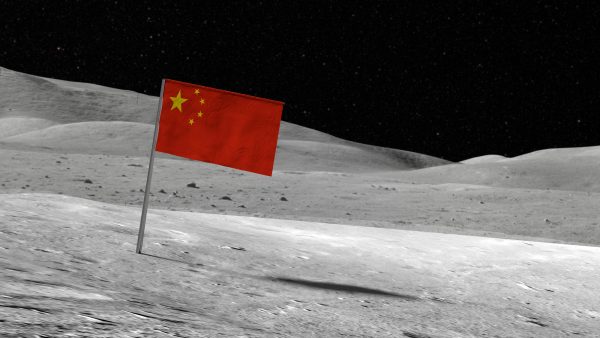
While the delay of the Chang’e-7 mission to 2027 was announced in late August, analysis published in early September continues to dissect its impact. Recent commentary notes that while the U.S. retains advantages from earlier explorations, China’s methodical approach to delays—prioritizing "prudent and reliable" operations—may provide a long-term edge in the space race. This delay directly affects the precursor data needed for the 2030 crewed Moon landing, forcing adjustments to the Long March 10 and Mengzhou spacecraft schedules.
Local view
Industry Reports Highlight "DeepSeek Moment" for Reusability
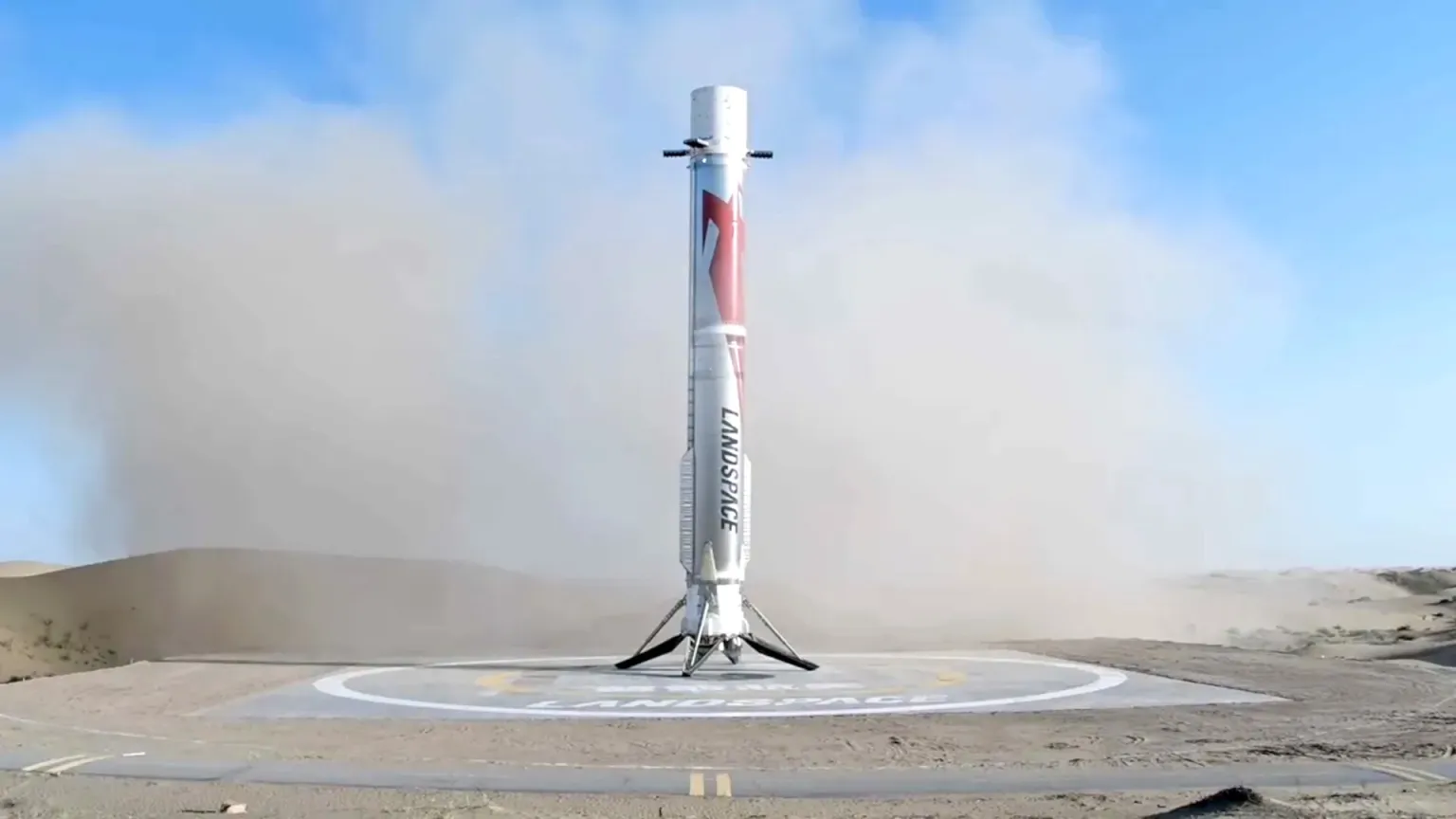
Local media and industry analysts are framing the recent successes in rocket recovery as a pivotal turning point for the sector. A mid-2026 industry report released in September highlights that the initial successes of reusable boosters, such as LandSpace’s Zhuque-3, have triggered a surge in investor confidence. Financial outlets note that while early recoveries were celebrated, the current focus has shifted strictly to "economic reusability"—the ability to fly a booster multiple times at a lower cost per launch, which is critical for scaling the constellation of satellites planned for Tiangong support and commercial mega-constellations.
Context & numbers
H1 2026 Launch and Funding Stats
Data from the first half of 2026 shows China completed 44 launches, placing 223 satellites into orbit. The commercial space sector saw robust financial activity, with 102 financing deals totaling RMB 17.709 billion (approx. $2.5 billion) raised in the first six months of the year. These figures underscore the aggressive capitalization of private launchers aiming to complement the state-run Long March series.
On the radar
- Mengzhou-1 and Long March 10A Debut: The China Manned Space Agency (CMSA) has confirmed that the Mengzhou-1 manned spaceship and the Long March-10A carrier rocket are scheduled to make their debuts later in 2026, though specific dates remain unannounced.
- Orienspace IPO Preparation: Private launcher Orienspace is reportedly close to completing its C-round funding and plans to complete shareholding restructuring before the end of 2026, positioning itself for an IPO to fund its reusable Gravity-2 rocket.
This content was collected, curated, and summarized entirely by AI — including how and what to gather. It may contain inaccuracies. Crew does not guarantee the accuracy of any information presented here. Always verify facts on your own before acting on them. Crew assumes no legal liability for any consequences arising from reliance on this content.
Powered by
