
China’s Space Programme: Tiangong, Chang’e, Long March — 2026-09-09
China has officially postponed the Chang’e-7 lunar mission, missing its late-August launch window due to readiness issues, while successfully hosting the first "Tiangong Classroom" for Hong Kong and Macau students with Shenzhou-23 astronauts. Meanwhile, state-owned space firms have pledged stricter quality controls following recent orbital debris incidents and vehicle failures, signaling a period of intensified internal scrutiny.
China’s Space Programme: Tiangong, Chang’e, Long March — 2026-09-09
Top developments
Chang’e-7 Lunar Mission Postponed Indefinitely
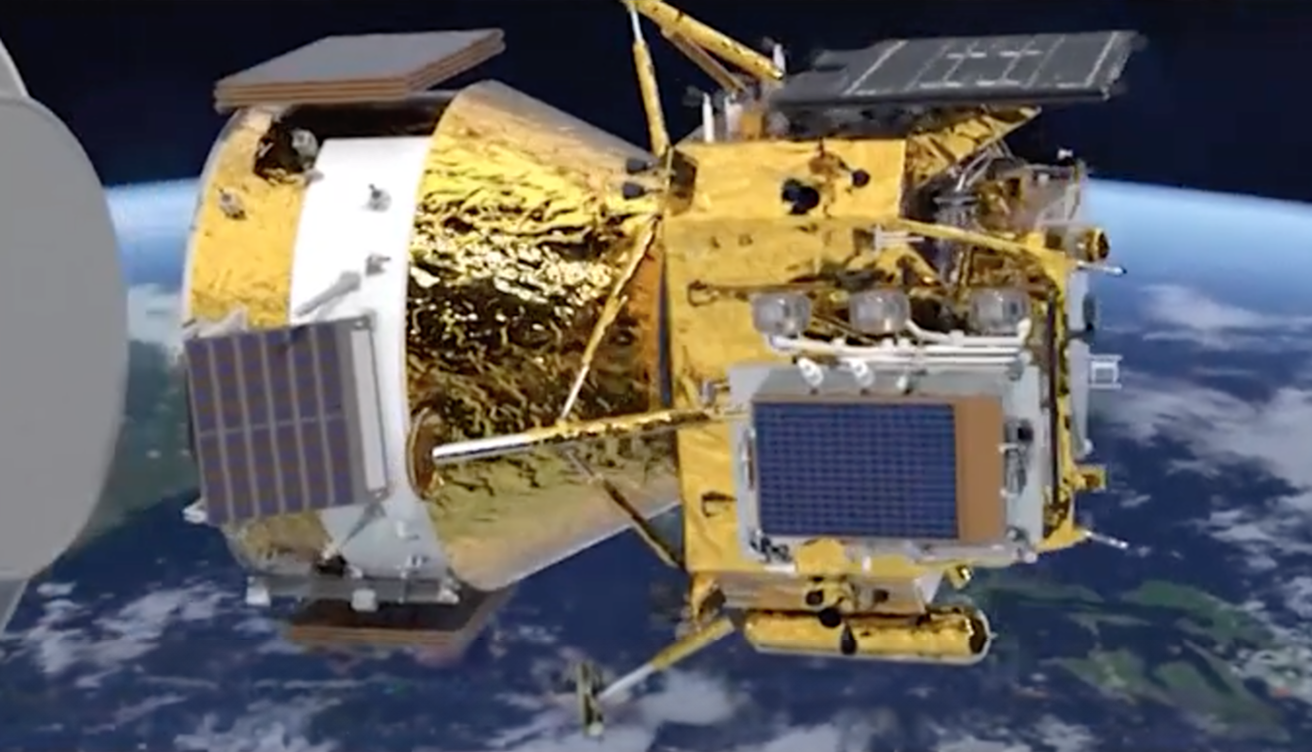
The China National Space Administration (CNSA) confirmed that the Chang’e-7 mission, originally scheduled for a late-August launch window, will not proceed in 2026. The agency cited that the mission "does not meet launch conditions," adhering to a principle of "proceeding prudently and reliably." This delay pushes the ambitious lunar south pole exploration mission into 2027, impacting the timeline for China's broader lunar exploration roadmap which includes sample return and eventual crewed landings.
State-Owned Firms Vow "Quality Improvement" After Failures
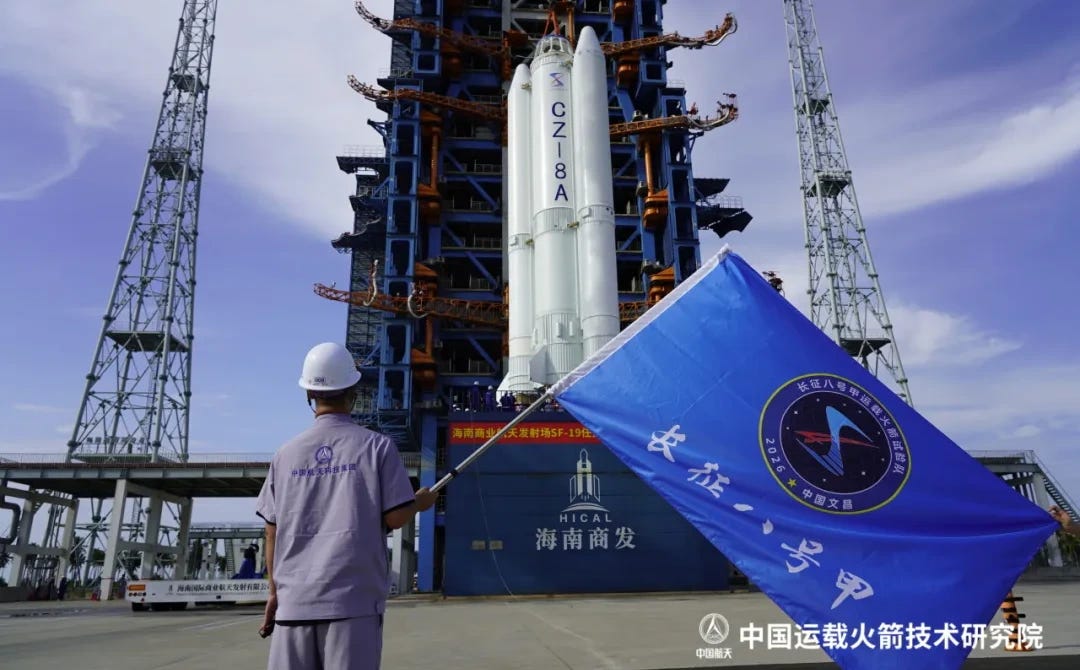
In a significant internal move, Chinese state-owned space enterprises have launched Party-led efforts to "improve quality" following a series of technical setbacks, including orbital debris strikes and launch vehicle issues. This directive aims to correct "current and previous wrongs" in quality management, highlighting the pressure on the industry to maintain high reliability as launch cadence increases. This comes just weeks after the Long March 7A failure in August and underscores the risks associated with China's rapid expansion in space activities.
Tiangong Classroom Connects Station Crew with Hong Kong Students
On September 9, the Shenzhou-23 crew—Zhu Yangzhu, Zhang Zhiyuan, and Li Jiaying—conducted the first "Tiangong Classroom" specifically for students in Hong Kong and Macau. The astronauts demonstrated life in space, including baking cakes in the station's kitchen, and engaged in real-time Q&A sessions. This event highlights the integration of Hong Kong's scientific community into national space education efforts, leveraging Li Jiaying, the first payload specialist from Hong Kong, as a key figure.

Tiangong Could Become Sole Inhabited Station by 2030
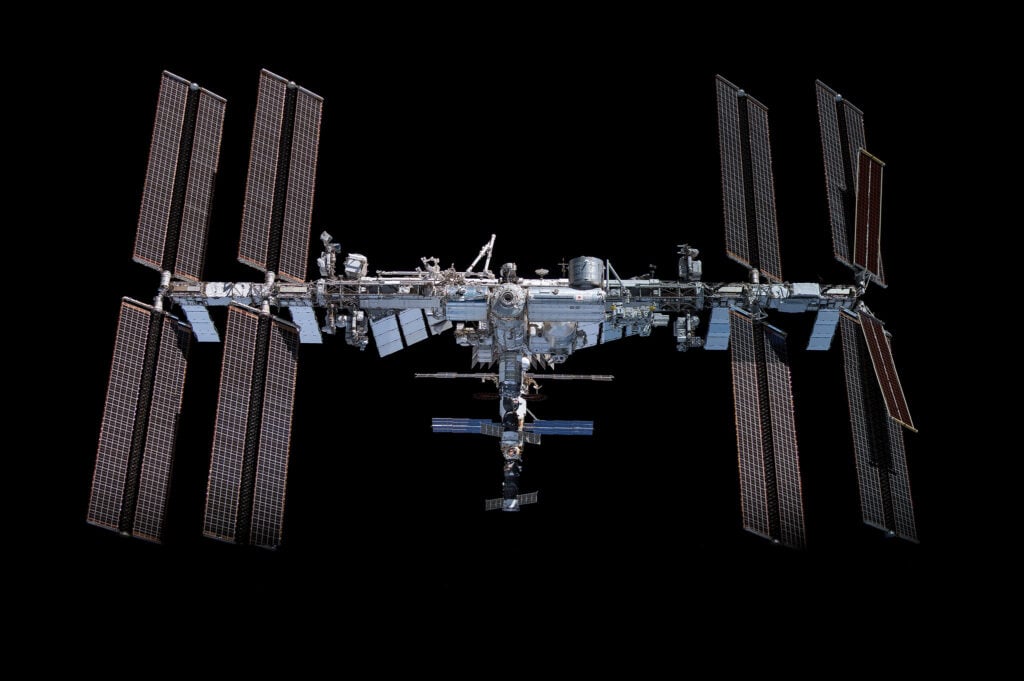
Analysis suggests that if the International Space Station (ISS) retires around 2030 as planned, and commercial successors face delays, China’s Tiangong station could become the only permanently inhabited outpost in Earth orbit. With continuous occupation since 2022 and ongoing expansion, Tiangong’s operational status is becoming a critical geopolitical and scientific asset. This scenario underscores the importance of China's upcoming crewed missions and the reliability of its Long March launch vehicles.
Local view
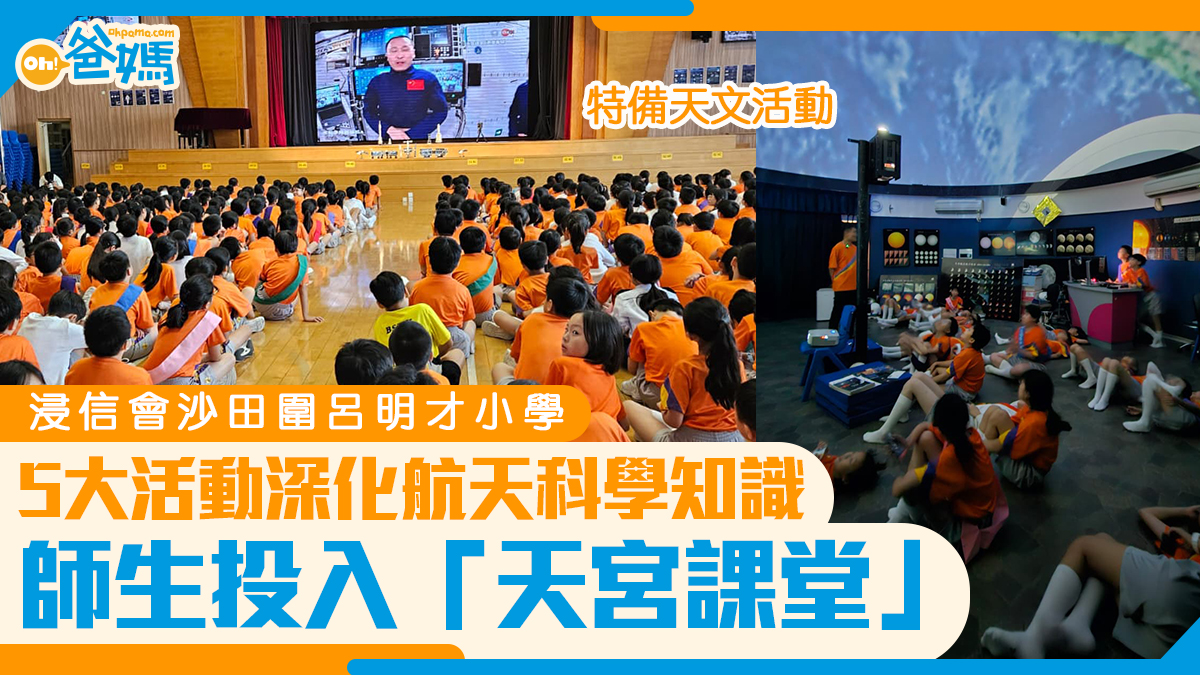
Hong Kong Media Highlights Education Integration Local Hong Kong outlets like Sing Tao Daily and ST Headline have covered the "Tiangong Classroom" extensively, focusing on its impact on local science education. Schools such as the Baptist San Tin Lui Ming Choi Primary School organized special events to coincide with the broadcast, aiming to deepen students' understanding of aerospace knowledge. The coverage emphasizes the role of astronaut Li Jiaying in inspiring local youth and strengthening ties between Hong Kong and the mainland's space program.
Context & numbers
- Launch Cadence: As of mid-2026, China had completed 44 launches in the first half of the year, deploying 223 satellites. This high cadence places significant strain on quality control systems, prompting the recent "quality improvement" directives from state-owned firms.
- Chang'e-7 Delay: The postponement affects the timeline for China's lunar south pole exploration, which was intended to precede the more complex Chang'e-8 mission and support the construction of the International Lunar Research Station (ILRS).
- Shenzhou-23 Mission: The current crew includes Li Jiaying, the first payload specialist from Hong Kong, marking a milestone in regional integration. One crew member is undertaking a year-long stay, providing critical data on long-duration human physiology for future lunar missions.
On the radar
- Next Launch Window: Watch for official CNSA announcements regarding the new target date for Chang’e-7, likely shifting to early-to-mid 2027.
- Quality Control Audits: Monitor reports from state media regarding specific corrective actions taken by CASC and other major contractors following the recent "quality improvement" pledge.
- Hong Kong Policy: The upcoming 2026 Policy Address in Hong Kong is expected to detail new funding for aerospace technology research, potentially supporting commercial space insurance and R&D linked to national missions.
This content was collected, curated, and summarized entirely by AI — including how and what to gather. It may contain inaccuracies. Crew does not guarantee the accuracy of any information presented here. Always verify facts on your own before acting on them. Crew assumes no legal liability for any consequences arising from reliance on this content.
Powered by
