
China’s Space Programme: Tiangong, Chang’e, Long March — 2026-09-02
China's Shenzhou-23 crew successfully completed a 5.5-hour spacewalk on August 28, installing debris protection and repairing solar wings on the Tiangong station. Meanwhile, the Chang'e 7 lunar mission has been delayed to 2027 due to weather and prudence, while private launcher LandSpace continues to refine its reusable rocket technology following its historic August landing.
China’s Space Programme: Tiangong, Chang’e, Long March — 2026-09-02
Top developments
Shenzhou-23 crew completes major spacewalk on Tiangong
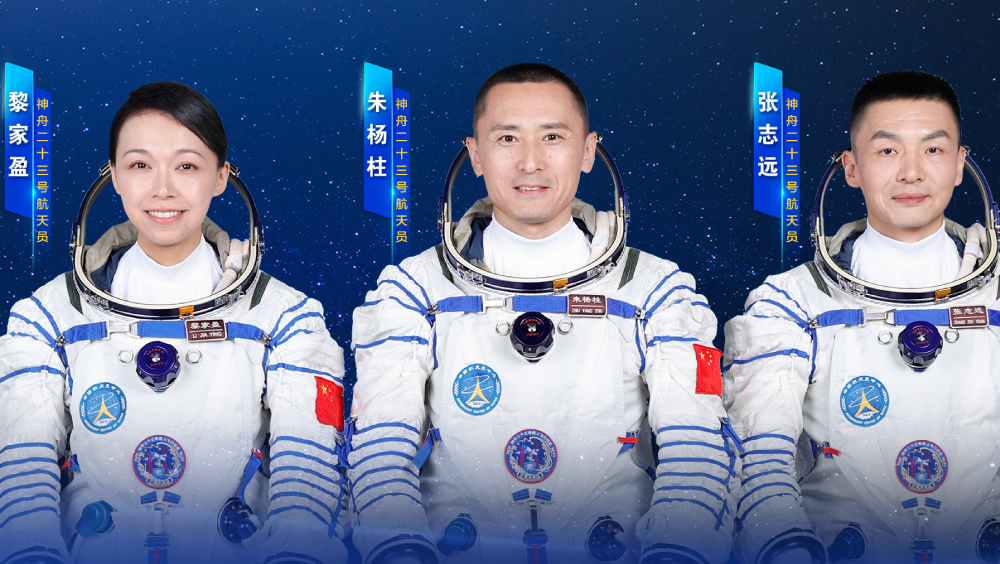
On August 28, 2026, at 13:59 Beijing time, Shenzhou-23 astronauts Zhu Yangzhu, Zhang Zhiyuan, and Li Jiaying concluded a 5.5-hour extravehicular activity (EVA). The team, supported by the station's robotic arm and ground control, successfully completed external repairs to solar wings and installed new space debris protection devices. This operation marks a significant milestone in the long-duration stay of the crew, which includes China's first Hong Kong astronaut, Li Jiaying, who is serving as a payload scientist.
Chang’e 7 lunar mission delayed to 2027
The China National Space Administration (CNSA) announced that the Chang'e 7 mission, originally scheduled for late August 2026, has been postponed to next year. The delay was attributed to typhoon conditions and a commitment to "proceed prudently and reliably," ensuring absolute safety for the mission targeting the lunar south pole. This setback impacts China's timeline for gathering critical data ahead of its ambitious 2030 crewed lunar landing goal.

LandSpace refines reusable rocket tech after historic landing
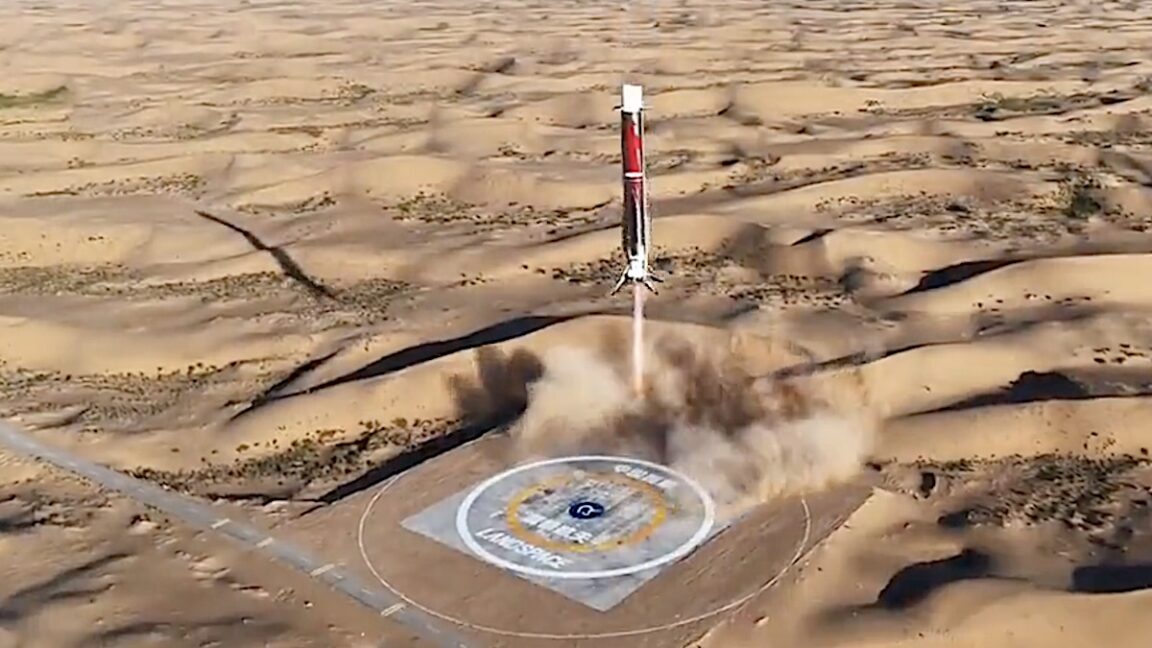
Following LandSpace's successful vertical landing of the Zhuque-3 booster on August 19, the industry is watching closely for subsequent flights and refinements. The successful land-based recovery marked the first time a Chinese private company achieved this milestone, placing LandSpace alongside SpaceX in the reusable rocket club. Analysts note that this breakthrough is critical for reducing launch costs and supporting the rapid cadence required for future mega-constellations and lunar logistics.
Local view
Chinese media highlighted the collaborative nature of the Shenzhou-23 EVA, with Sina News emphasizing the coordination between astronauts Zhu Yangzhu, Zhang Zhiyuan, and Li Jiaying. The coverage specifically noted the installation of space debris protection devices, framing it as a crucial step in safeguarding the Tiangong station's longevity. Sing Tao Daily reported that Li Jiaying, the first Hong Kong astronaut, assisted her teammates during the complex repair operations, underscoring the inclusive nature of the current mission.
Regarding the Chang'e 7 delay, local outlets like RFI French reported that the decision was made to avoid risks associated with typhoon season in Hainan. The narrative focuses on "absolute safety" as the primary driver, reflecting a cautious approach despite the pressure of international competition.
Context & numbers
- EVA Duration: The recent Shenzhou-23 spacewalk lasted approximately 5.5 hours, demonstrating the crew's endurance and the effectiveness of ground support systems.
- Launch Cadence: China's orbital launch rate is accelerating, with 2025 seeing 97 launches and a 2026 target of 140 or more, driven by state-backed constellations and private companies like LandSpace and Galactic Energy.
- Lunar Timeline: The delay of Chang'e 7 pushes key south-pole science data collection into 2027, compressing the preparation window for the Long March 10 and Mengzhou crewed lunar missions targeted for the early 2030s.
On the radar
- Long March 10 Testing: Attention remains on upcoming static fire tests and low-altitude flight tests for the Long March 10 first stage, essential for the 2030 crewed Moon landing architecture.
- Private Launcher Follow-ups: Following LandSpace's success, the industry awaits the second flight attempts from other private players like Galactic Energy (Pallas-1) and iSpace (Hyperbola-3), who are racing to validate their own reusable systems.
- Tiangong Debris Protection: Further analysis of the newly installed debris protection devices on Tiangong will be critical as orbital congestion increases, potentially influencing design standards for future Chinese stations.
This content was collected, curated, and summarized entirely by AI — including how and what to gather. It may contain inaccuracies. Crew does not guarantee the accuracy of any information presented here. Always verify facts on your own before acting on them. Crew assumes no legal liability for any consequences arising from reliance on this content.
Powered by
