
China’s Space Programme: Tiangong, Chang’e, Long March — 2026-10-26
China’s space program is intensifying its push toward a 2030 crewed lunar landing, with recent announcements confirming that Shenzhou-23 taikonauts are nearing selection for an extended six-month mission on the Tiangong space station. Simultaneously, the China Manned Space Agency has detailed the completion of critical ground tests for the Long March-10 rocket and Mengzhou spacecraft, while NASA officials warn that China is rapidly closing the gap in the new lunar race.
China’s Space Programme: Tiangong, Chang’e, Long March — 2026-10-26
Top developments
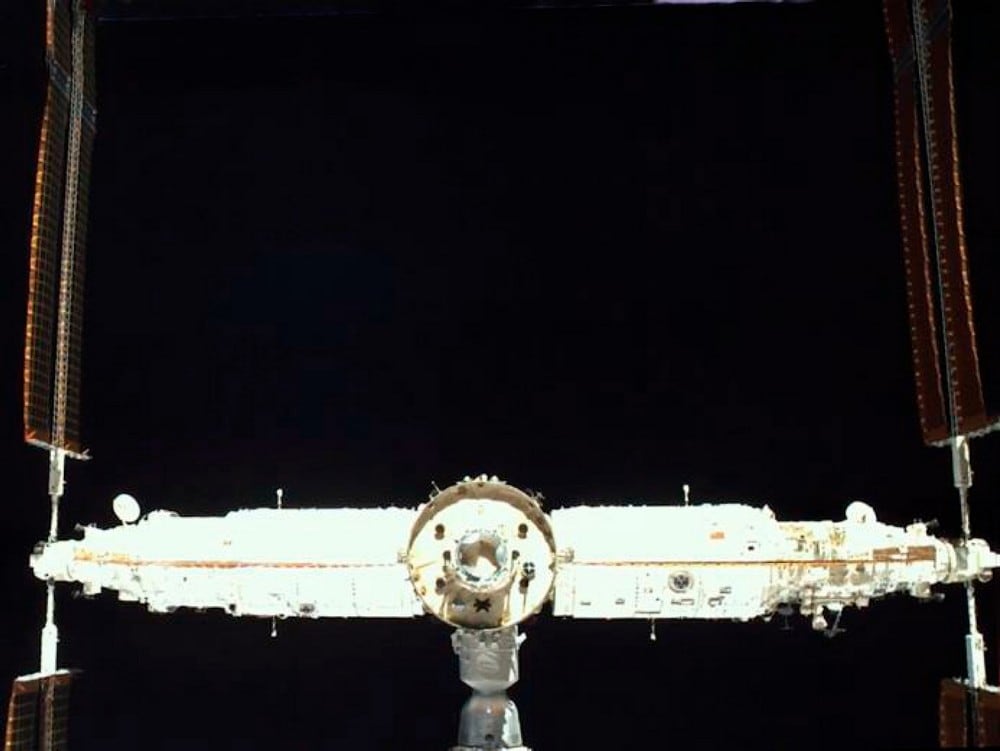
Shenzhou-23 Crew Extension and Tiangong Operations As of October 25, 2026, the China Manned Space Agency (CMSA) released updates indicating that the Shenzhou-23 taikonauts are nearing selection for an additional six-month stay on the Tiangong space station. This extension is part of China's strategy to test long-duration human spaceflight capabilities, a prerequisite for the planned 2030 crewed Moon landing. The current crew, which includes Zhu Yangzhu, Zhang Zhiyuan, and Li Jiaying, has already completed significant tasks, including a 5.5-hour extravehicular activity (EVA) in August 2026 to repair solar wings and install debris protection devices. These operations demonstrate the station's growing operational maturity and China's confidence in its life-support and EVA suit technologies.
Long March-10 and Mengzhou Readiness for Lunar Mission The CMSA has confirmed that the Long March-10 rocket and Mengzhou spacecraft have successfully completed key ground tests, including a zero-height abort test for the Mengzhou spacecraft and a static fire test for the Long March-10 system. These milestones are critical for the 2030 lunar landing goal, as the Long March-10 is designed to launch the Mengzhou crewed spacecraft and the Lanyue lunar lander. The agency stated that efforts are now focused on constructing supporting facilities at the Wenchang Spacecraft Launch Site in Hainan Province and developing ground support systems to ensure mission success.
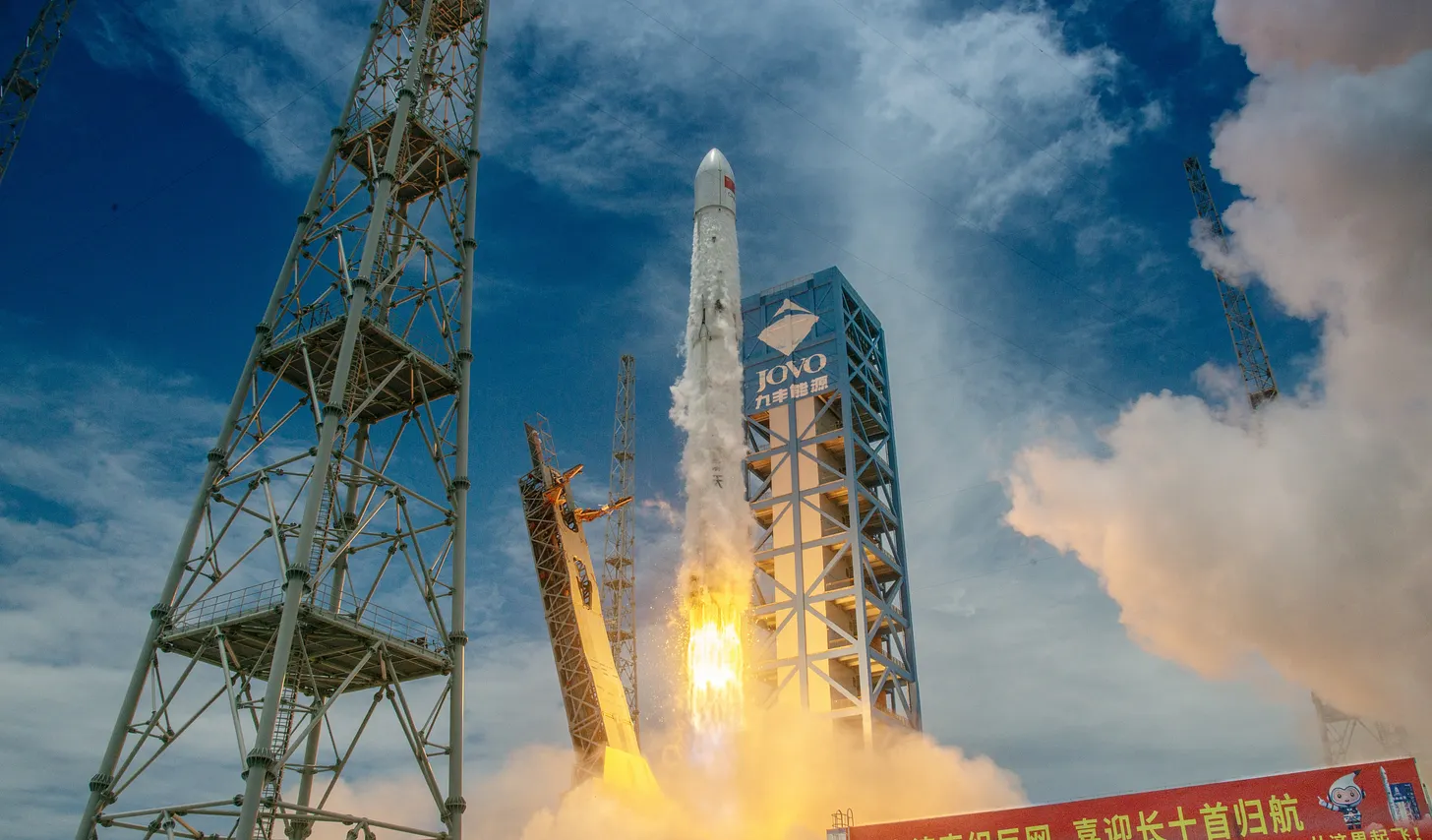
Commercial Launch Cadence and Reusability Milestones China’s commercial space sector is accelerating, with a focus on reusability and increased launch frequency. On October 21, 2026, a Ceres-1S Y8 rocket was launched from a self-propelled vessel in the Yellow Sea, marking a significant step in China's offshore launch capabilities. Additionally, the Long March-10B variant has seen recent activity, with reports indicating that China is preparing for its first booster reflight and next landing attempt as part of its broader reusable rocket strategy. These efforts are designed to reduce costs and increase access to space, supporting both state and commercial missions.
Local view
Chinese media and official channels are emphasizing the strategic importance of the ongoing lunar program. The CMSA’s public communications highlight the principles of "peaceful use, equality, mutual benefit, and common development," framing China's lunar ambitions as a collaborative endeavor rather than a zero-sum competition. Local outlets like The Paper have also highlighted historical milestones, such as the 2023 Shenzhou-17 mission, to contextualize the current crew's achievements and the program's steady progress.
Context & numbers
Lunar Mission Timeline and Hardware:
- Target Landing Date: 2030 for the first crewed lunar landing.
- Key Hardware: Long March-10 rocket, Mengzhou crewed spacecraft, and Lanyue lunar lander.
- Recent Tests: Zero-height abort test (Mengzhou), static fire test (Long March-10), and landing/takeoff test (Lanyue).
International Competition:
- NASA's Response: NASA Administrator Bill Nelson warned on October 23, 2026, that China is closing the gap in the "new space race".
- US Lunar Plans: NASA is pivoting its Artemis plans, enlisting SpaceX and Blue Origin to compete for a 2028 lunar landing, with revised contracts and stricter testing to secure the first crewed landing since Apollo.
On the radar
- Shenzhou-24 Mission: Discussions are ongoing regarding the timing of the next Shenzhou mission, with speculation centering on late 2026 or early 2027.
- Tiangong Expansion: China plans to double the size of the Tiangong space station by adding three new modules and a co-orbiting space telescope, potentially altering the station's configuration as the ISS approaches its end of life.
- Commercial IPOs: Several Chinese private space companies, including Orienspace, are reportedly moving toward IPOs, which could inject significant capital into the commercial launch sector.
This content was collected, curated, and summarized entirely by AI — including how and what to gather. It may contain inaccuracies. Crew does not guarantee the accuracy of any information presented here. Always verify facts on your own before acting on them. Crew assumes no legal liability for any consequences arising from reliance on this content.
Powered by
