
China’s Space Programme: Tiangong, Chang’e, Long March — 2026-10-15
China’s space sector is accelerating toward its 2030 lunar landing goal with significant progress in reusable rocket technology and upcoming crewed mission preparations. Recent developments highlight the successful engineering milestones for the Long March 10B and the private "Xingyun" rocket, alongside the imminent launch of Shenzhou-24 to relieve the current Tiangong crew.
China’s Space Programme: Tiangong, Chang’e, Long March — 2026-10-15
Top developments
Long March 10B to Launch Improved GuoWang Constellation
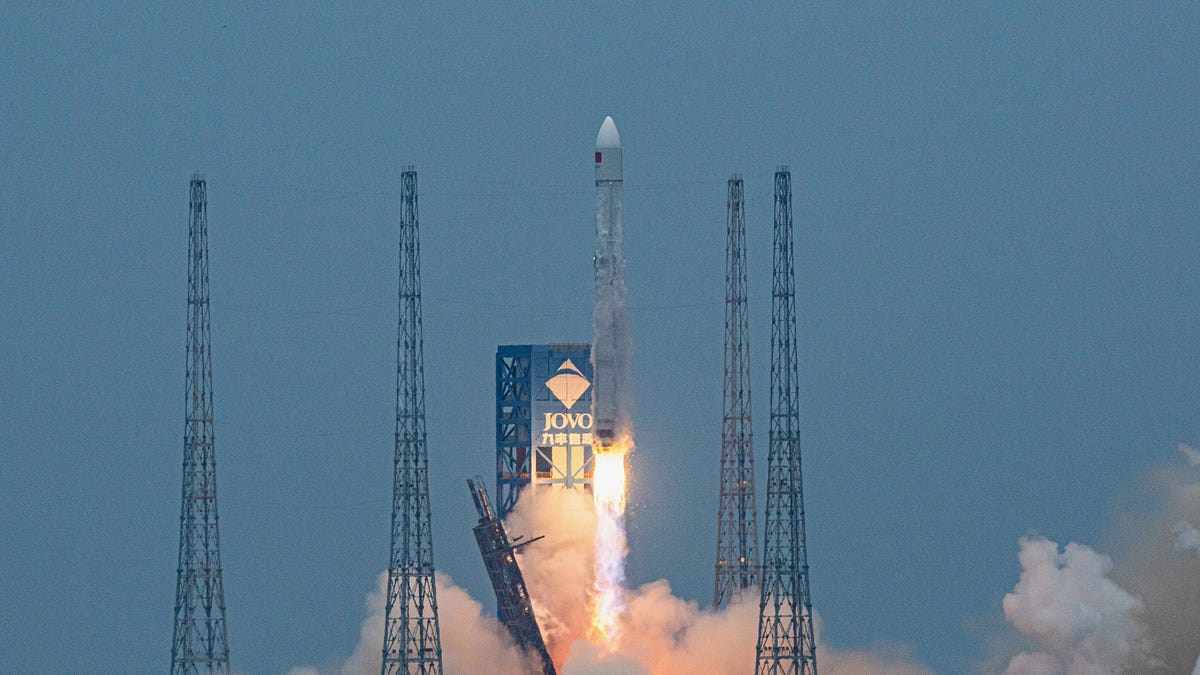
The state-backed constellation operator has confirmed that the second-generation GuoWang satellites will be launched on the reusable Long March 10B vehicle. The improved spacecraft are lighter and offer expanded services, with about a dozen launches planned through 2027. This reliance on the reusable booster underscores the critical role of the Long March 10 series in supporting both commercial mega-constellations and the future heavy-lift requirements for the Mengzhou lunar mission.
Private Launcher "Xingyun-2" Enters Intensive Development
The private aerospace company Xingyun (Nebula) reported that the 5-meter diameter stainless steel common bulkhead tank for its Xingyun-2 rocket has recently rolled off the production line. This milestone marks the rocket’s transition into an intensive engineering and manufacturing phase. The Xingyun-2 aims to utilize a "chopstick" style recovery method similar to SpaceX’s Starship, targeting over 20 reuses per booster, which could significantly lower launch costs for China’s commercial sector.

Shenzhou-24 Crew Prepares for Launch and Tiangong Handover
Chinese media reports indicate that the Shenzhou-24 mission is in final standby status, preparing to launch to the Tiangong space station. The incoming crew will relieve the current Shenzhou-23 team, which has been on-orbit for over four months. The Shenzhou-23 crew has been actively conducting extravehicular activities (EVAs), including solar wing maintenance and debris protection installation, ensuring the station is ready for the next rotation and long-duration science experiments.
International Cooperation Highlighted in Türkiye
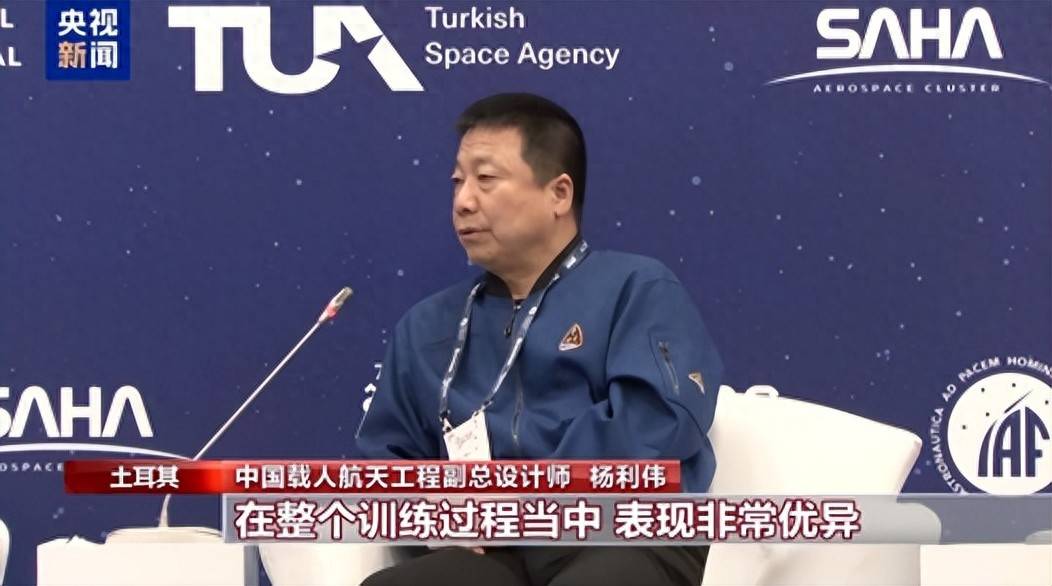
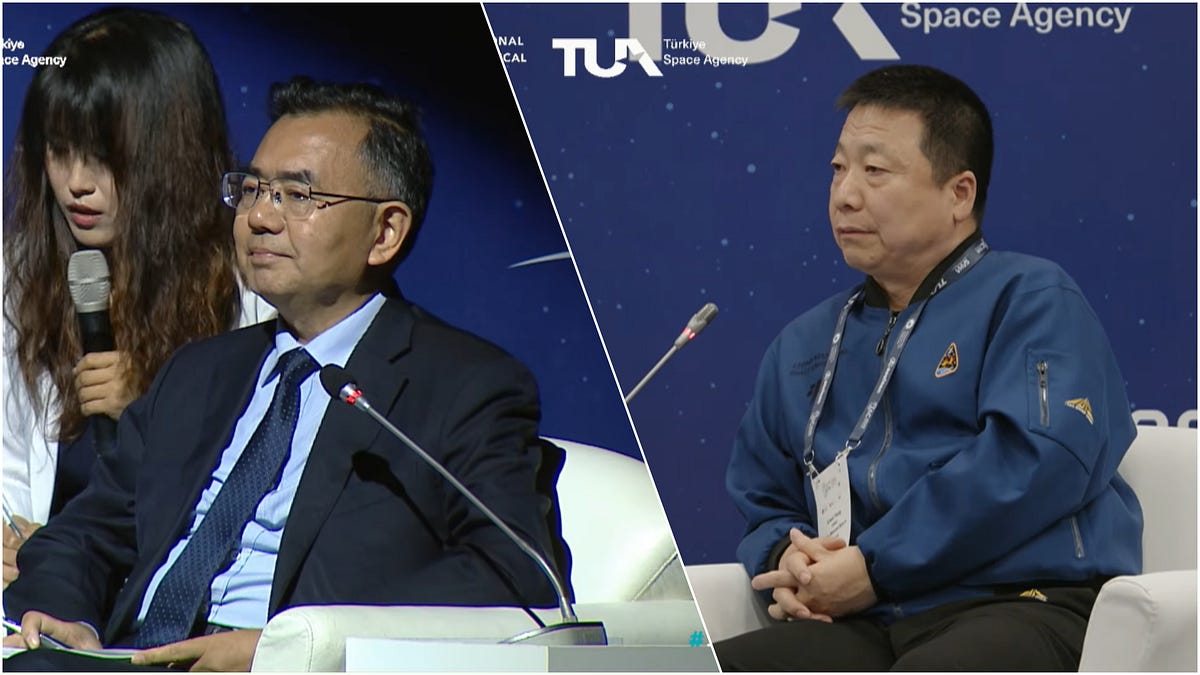
Chinese officials recently detailed the progress of the nation’s human and lunar spaceflight programs at an event in Türkiye, encouraging international partners to join upcoming missions. This diplomatic push aligns with China’s strategy to build a coalition for the International Lunar Research Station (ILRS). The emphasis on cooperation is crucial for validating the technical standards of the Mengzhou spaceship and Lanyue lander before the targeted 2030 crewed landing.
Local view
Local tech and financial media are closely tracking the "commercial space gold age" triggered by recent successes. Reports from Sohu and Caijing emphasize that while the Long March 10B’s sea-based net capture was a historic breakthrough in July, the focus has now shifted to the "economic reuse" of rockets. Analysts argue that one-time success is just the start; true cost reduction requires rapid turnaround times, a metric where Chinese firms are racing to catch up with global leaders like SpaceX.
Additionally, local coverage highlights the integration of traditional Chinese medicine into astronaut health monitoring, with devices like the "TCM Four-Diagnosis Instrument" being used on Tiangong to maintain crew health during extended stays.
Context & numbers
- Launch Cadence: China is maintaining a high launch frequency, with multiple missions planned for late 2026, including the debut of the Mengzhou-1 spaceship and continued GuoWang satellite deployments.
- Reusable Tech: The Xingyun-2 targets >20 reuses, while the Long March 10B demonstrated successful recovery via a sea-based net system in July 2026.
- Crew Duration: The current Tiangong crew has been on-orbit for over 4 months, with one astronaut from the previous Shenzhou-23 mission scheduled for a record-breaking one-year stay to study long-duration physiology.
On the radar
- Shenzhou-24 Launch: The launch window is imminent as the crew is in "standby" status, likely occurring within weeks.
- Mengzhou-1 Debut: The first uncrewed flight of the new lunar-capable spaceship remains scheduled for the second half of 2026, though specific dates have not been officially confirmed in the last week.
- Chang’e-7 Mission: Preparations continue for the Chang’e-7 lunar south pole mission, also targeted for late 2026, which will test key technologies for the future ILRS base.
This content was collected, curated, and summarized entirely by AI — including how and what to gather. It may contain inaccuracies. Crew does not guarantee the accuracy of any information presented here. Always verify facts on your own before acting on them. Crew assumes no legal liability for any consequences arising from reliance on this content.
Powered by
