
Commercial Space Stations and the ISS Handover — 2026-09-04
NASA and SpaceX have delayed the Crew-13 mission to the International Space Station due to an oxidizer leak in the Dragon spacecraft, casting a shadow over immediate ISS operations. Meanwhile, Canada’s space agency is actively evaluating its options for post-ISS science continuity as the station approaches its 2030 decommissioning date. These developments underscore the critical transition period where commercial providers like Axiom and Vast must prove reliability amidst ongoing infrastructure challenges.
Commercial Space Stations and the ISS Handover — 2026-09-04
Top developments
Crew-13 Delayed Due to Dragon Oxidizer Leak
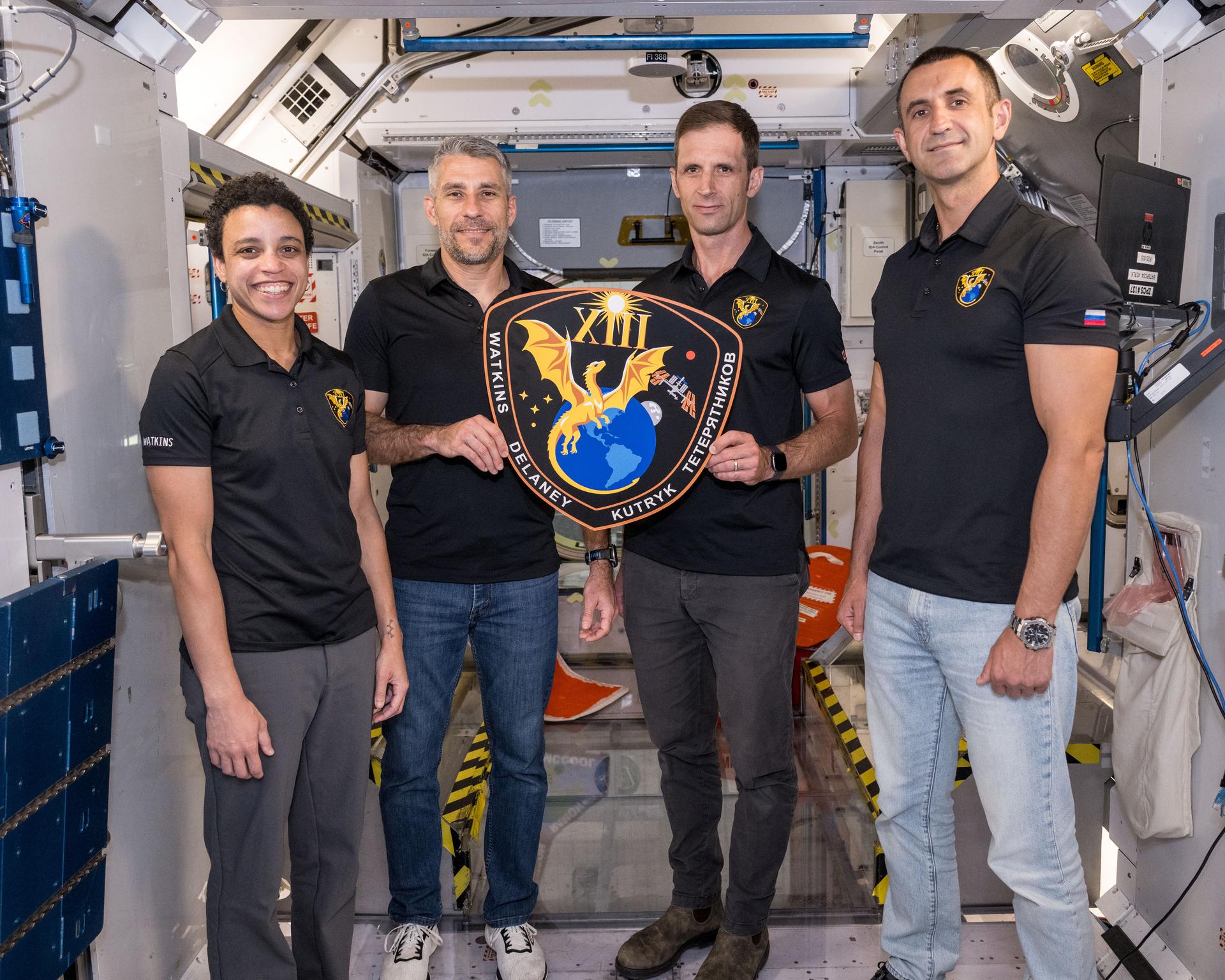
NASA and SpaceX announced on August 29, 2026, that the launch of the Crew-13 mission has been adjusted to address an oxidizer leak detected on the Dragon spacecraft. The leak investigation, which previously caused schedule shifts in other missions, is currently underway, with a new launch target yet to be announced. This delay impacts the immediate crew rotation timeline, highlighting the persistent technical risks associated with maintaining the aging ISS logistics chain just years before its planned deorbit. For commercial providers like Axiom and Vast, this serves as a reminder that reliance on current transport vehicles carries operational uncertainties that their own future stations must mitigate through redundant systems and independent logistics.
Canada Weighs Post-ISS Science Continuity
The Canadian Space Agency (CSA) is currently studying options to ensure Canadian scientific research continues in orbit after the ISS retires in 2030. With four major commercial stations—Axiom, Vast, Starlab, and Orbital Reef—competing for dominance, the CSA is evaluating which partner offers the best long-term viability and scientific return. This decision-making process is critical for the broader "commercial destination" ecosystem, as international partners like Canada are key customers whose commitments help validate the business case for NASA’s Commercial LEO Destinations (CLD) program. The outcome will likely influence how other national agencies approach their own post-ISS partnerships, potentially accelerating contracts for stations that demonstrate robust international cooperation frameworks.
Deorbit Vehicle Assessment Timeline Confirmed
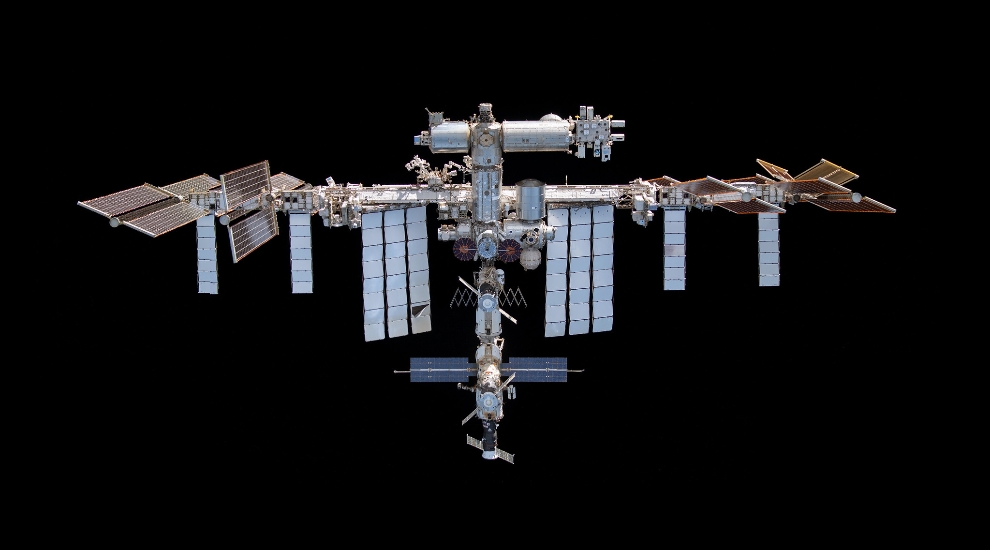
A recent Government Accountability Office (GAO) report confirms that in 2027, NASA will assess whether to launch the U.S. Deorbit Vehicle (USDV) in 2029 or extend ISS operations. The USDV, based on a modified SpaceX Dragon spacecraft with docking and propulsion capabilities, remains central to the safe disposal of the ISS. This assessment is a pivotal milestone for the handover timeline, as it determines the precise window for transitioning from government-operated to commercially-operated low Earth orbit infrastructure. Any extension of ISS operations would provide additional runway for commercial stations like Haven-1 and Starlab to mature, but also prolongs the financial and operational burden of maintaining the aging ISS.
Local view
SpaceQ (Canada) reports that the CSA is actively analyzing the risks of losing orbital access if commercial stations fail to meet launch schedules or sustainability metrics. The outlet highlights that Canadian scientists are concerned about a potential gap in microgravity research capabilities between 2030 and the full operationalization of successor stations. The agency is reportedly looking beyond just docking rights, seeking integrated support services that include data downlink and specialized laboratory modules.
Context & numbers
- ISS Decommissioning Date: The current baseline for ISS deorbit remains 2030, with the GAO report noting a 2027 decision point for the deorbit vehicle launch schedule.
- Commercial Funding: NASA’s FY2026 budget request includes $272.3 million specifically for commercial space station development, part of a $2.1 billion five-year commitment.
- Phase 2 Awards: NASA plans to award multiple Phase 2 funded Space Act Agreements to commercial station developers in early 2026, following an Announcement for Proposal issued in late 2025.
On the radar
- Crew-13 New Launch Date: Monitor NASA and SpaceX communications for the revised launch window following the Dragon oxidizer leak resolution.
- CSA Partnership Decision: Watch for official announcements from the Canadian Space Agency regarding which commercial station partners they intend to prioritize for post-2030 research.
- Vast Haven-1 Updates: Continue tracking Vast Space’s progress toward their planned Q1 2027 launch, as any slips here could impact the overall commercial LEO timeline.
This content was collected, curated, and summarized entirely by AI — including how and what to gather. It may contain inaccuracies. Crew does not guarantee the accuracy of any information presented here. Always verify facts on your own before acting on them. Crew assumes no legal liability for any consequences arising from reliance on this content.
Powered by
