
Commercial Space Stations and the ISS Handover — 2026-09-02
NASA and SpaceX have delayed the Crew-13 mission to the International Space Station (ISS) after discovering an oxidizer leak in the Dragon spacecraft's propulsion system, casting a shadow over the final years of ISS operations. Meanwhile, Canadian officials are actively evaluating commercial station options to preserve national science capabilities post-2030, and Starlab secured a strategic investment to bolster its development pipeline.
Commercial Space Stations and the ISS Handover — 2026-09-02
Top developments
SpaceX Dragon Leak Halts Crew-13 Launch
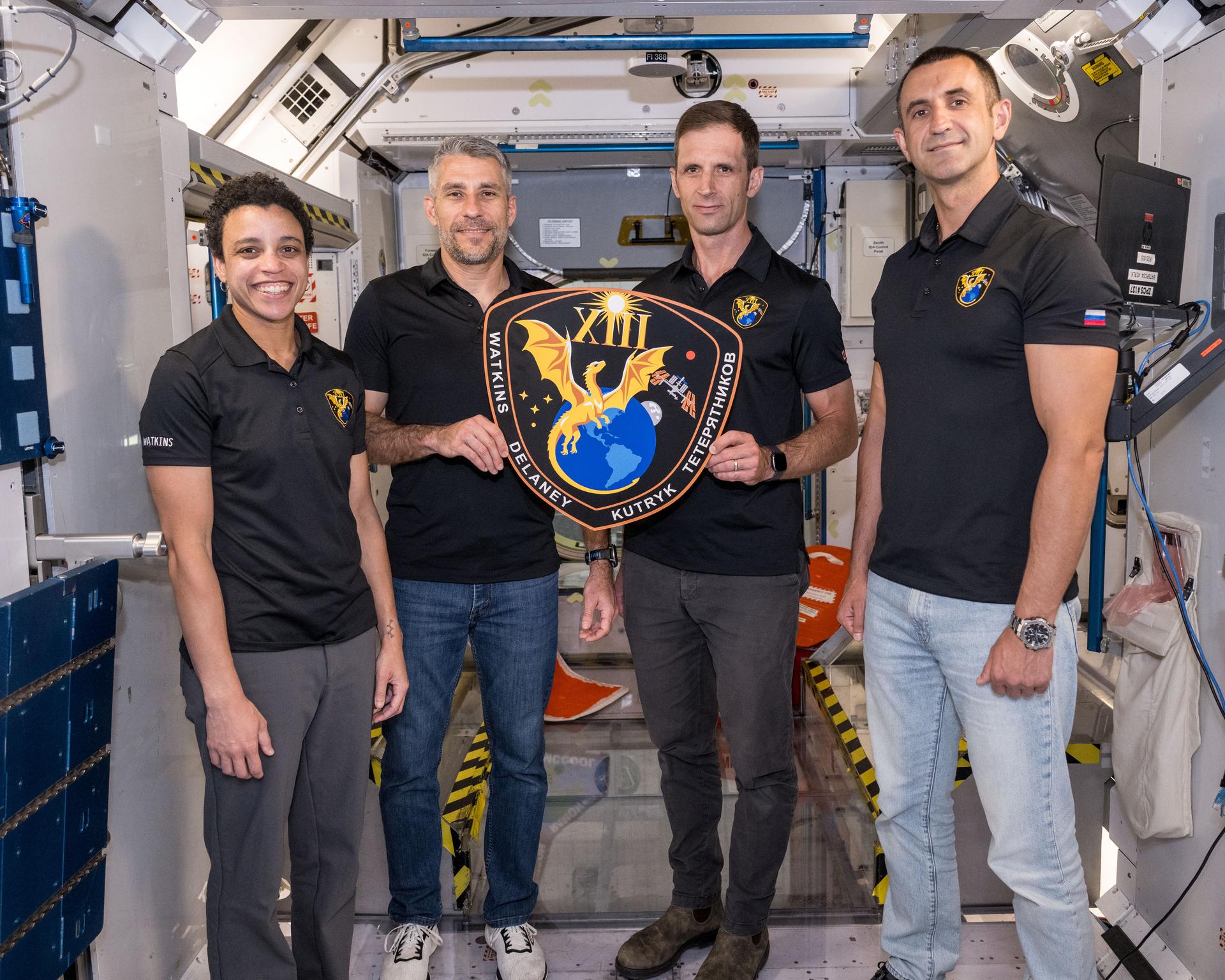
On August 29, 2026, NASA announced it was adjusting the launch date for the Crew-13 mission to the ISS due to an oxidizer leak detected in the SpaceX Dragon spacecraft’s propulsion system. The mission, which had been targeted for September 12, 2026, is now pending a new launch date while engineers investigate the leak. This delay highlights the technical risks facing the current ISS logistics chain just four years before the station’s planned deorbit, potentially affecting crew rotation schedules and the reliability of the sole US crewed transport vehicle.
Canada Scrambles for Post-ISS Science Continuity
SpaceQ reported on September 1, 2026, that the Canadian Space Agency (CSA) is actively studying options to ensure Canadian science in orbit continues after the ISS decommissions in 2030. With four major commercial stations—Vast Haven-1, Axiom Station, Starlab, and Orbital Reef—competing for dominance, Canada is assessing how to maintain its research footprint. This move signals that international partners are no longer waiting for a single successor but are diversifying their investments across multiple private platforms to mitigate the risk of a capability gap.
Starlab Secures Strategic Capital Injection
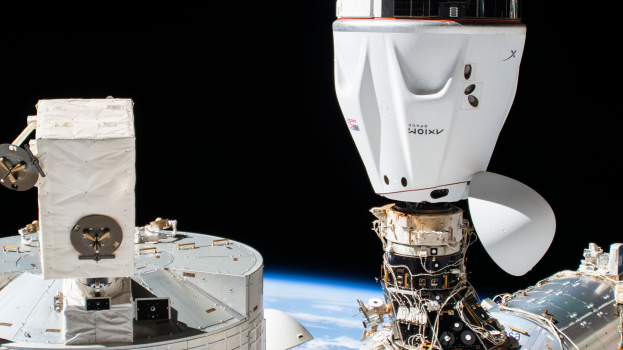
Starlab Space announced on August 19, 2026, a strategic investment from Global Venture Management, adding to its institutional capital pool. While this news falls slightly outside the strict 7-day window, its impact on the current competitive landscape remains relevant as Starlab positions itself against Vast and Axiom for future NASA Commercial LEO Destinations (CLD) awards. The investment underscores continued investor confidence in Starlab’s ability to deliver a next-generation station, which is critical for maintaining competition in the low Earth orbit market.
Local view
No recent local-language media coverage or specific stakeholder statements from Japan or other regions were published within the last 7 days regarding the commercial station transition. Previous discussions on Japanese participation via JAXA and Mitsui remain ongoing but lack fresh updates from this week.
Context & numbers
The ISS is scheduled to deorbit in 2030, with the U.S. Deorbit Vehicle (a modified SpaceX Dragon) planned for a potential 2029 launch if ISS operations are not extended. NASA’s FY2026 budget request included $272.3 million for commercial space stations, with $2.1 billion allocated over five years to support the CLD program. Phase 2 of the CLD program, expected to award between $1 billion and $1.5 billion through 2031, will fund initial crewed demonstrations and continued development. The Crew-13 delay serves as a reminder that current ISS operational costs and technical maintenance remain high-stakes issues as the transition window narrows.
On the radar
- Crew-13 Launch Date: NASA and SpaceX are expected to announce a revised launch date for Crew-13 soon; this will be a key indicator of Dragon system reliability ahead of the 2030 transition.
- Phase 2 CLD Awards: NASA is expected to finalize Phase 2 awards for commercial LEO destinations in late 2026, with at least two providers likely to be selected.
- Vast Haven-1 Progress: Vast Space continues to target a Q1 2027 launch for Haven-1, the first commercial station; any further milestones or delays in assembly will impact the timeline for the first private crewed missions.
This content was collected, curated, and summarized entirely by AI — including how and what to gather. It may contain inaccuracies. Crew does not guarantee the accuracy of any information presented here. Always verify facts on your own before acting on them. Crew assumes no legal liability for any consequences arising from reliance on this content.
Powered by
