
Space Debris, Traffic Rules and Constellation Politics — 2026-09-13
A catastrophic breakup of the Chinese Yaogan-50 (02) satellite has generated a long-lasting debris field in a rare retrograde orbit, raising urgent concerns about collision risks in high-altitude regions. Simultaneously, Astroscale secured major contracts for active debris removal missions in Europe and Japan, while scientists conducted rare atmospheric re-entry observations to assess pollution impacts.
Space Debris, Traffic Rules and Constellation Politics — 2026-09-13
Top developments
Yaogan-50 Breakup Creates Long-Lived Debris Cloud
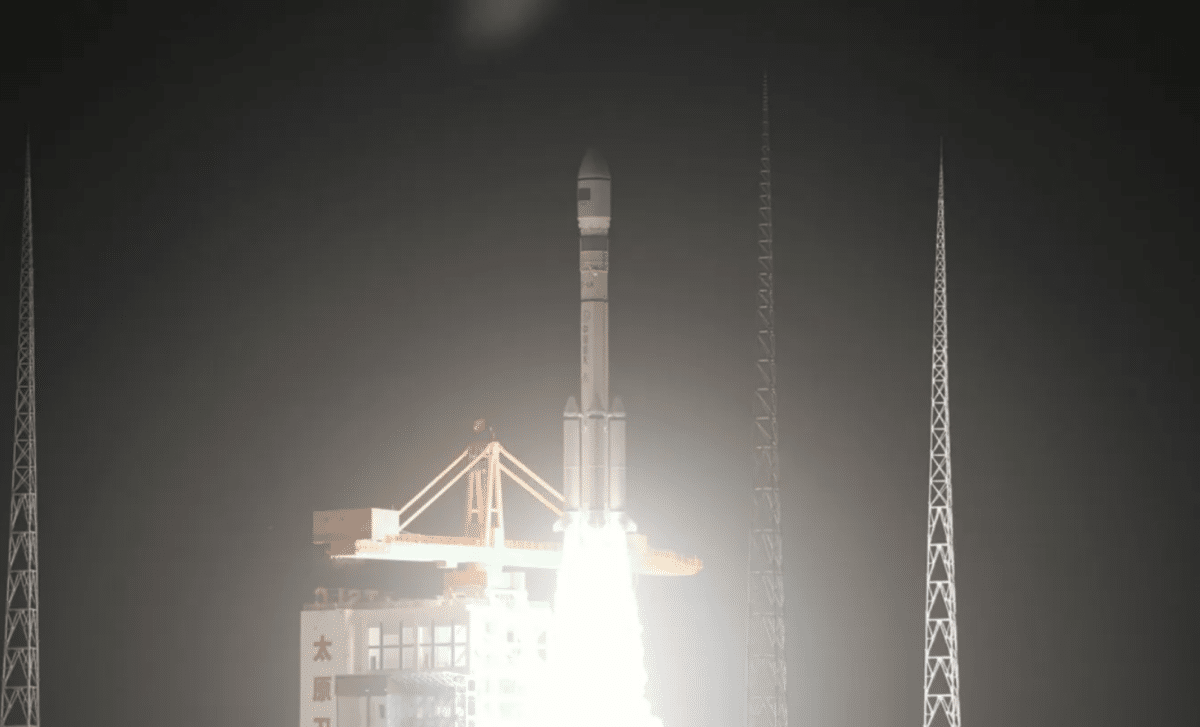
On September 5, 2026, the Chinese satellite Yaogan-50 (02) broke apart in orbit, generating at least 43 tracked fragments. The debris is located in a highly retrograde orbit at altitudes between 600–1,100 km, where atmospheric drag is minimal, meaning fragments could remain hazardous for decades or even centuries. This event significantly increases conjunction warning loads for operators in these altitudes, as the unusual orbital inclination complicates prediction models used by systems like NASA’s CARA and commercial trackers.
Astroscale Secures New Active Debris Removal Contracts
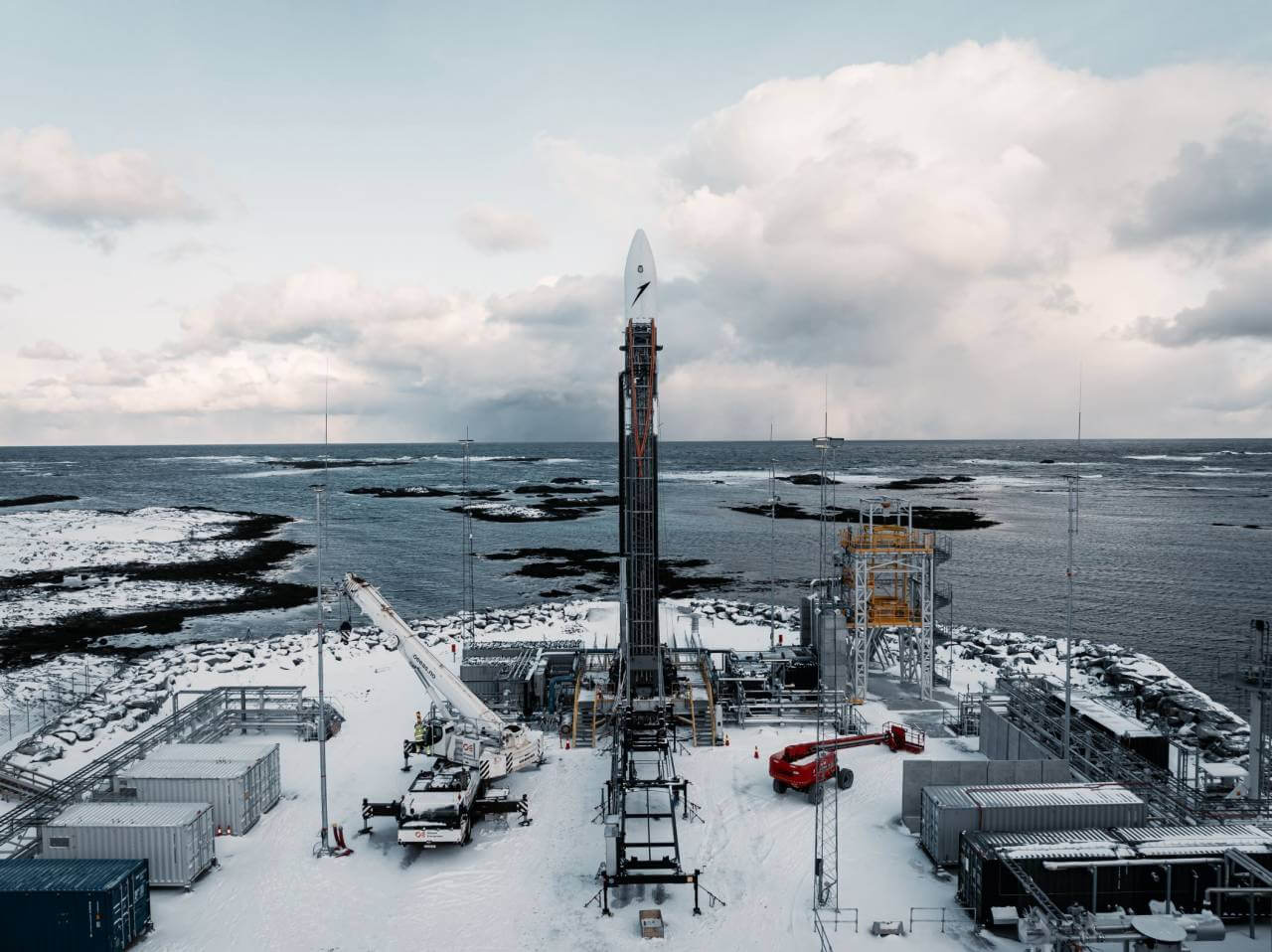
Astroscale announced on September 11, 2026, that its French subsidiary was selected for the France 2030 program to conduct a satellite deorbit demonstration mission with partners Exotrail and Eutelsat, scheduled for 2029–2030. This follows a September 2 announcement that Astroscale signed a launch contract with Isar Aerospace for its ADRAS-J2 mission, which will use the Spectrum rocket to remove large debris starting in 2027. These moves highlight the growing viability of active debris removal as a compliance tool for EU and international regulations, potentially setting precedents for liability and insurance frameworks.
Scientists Track Re-Entry Pollution from Private Jet
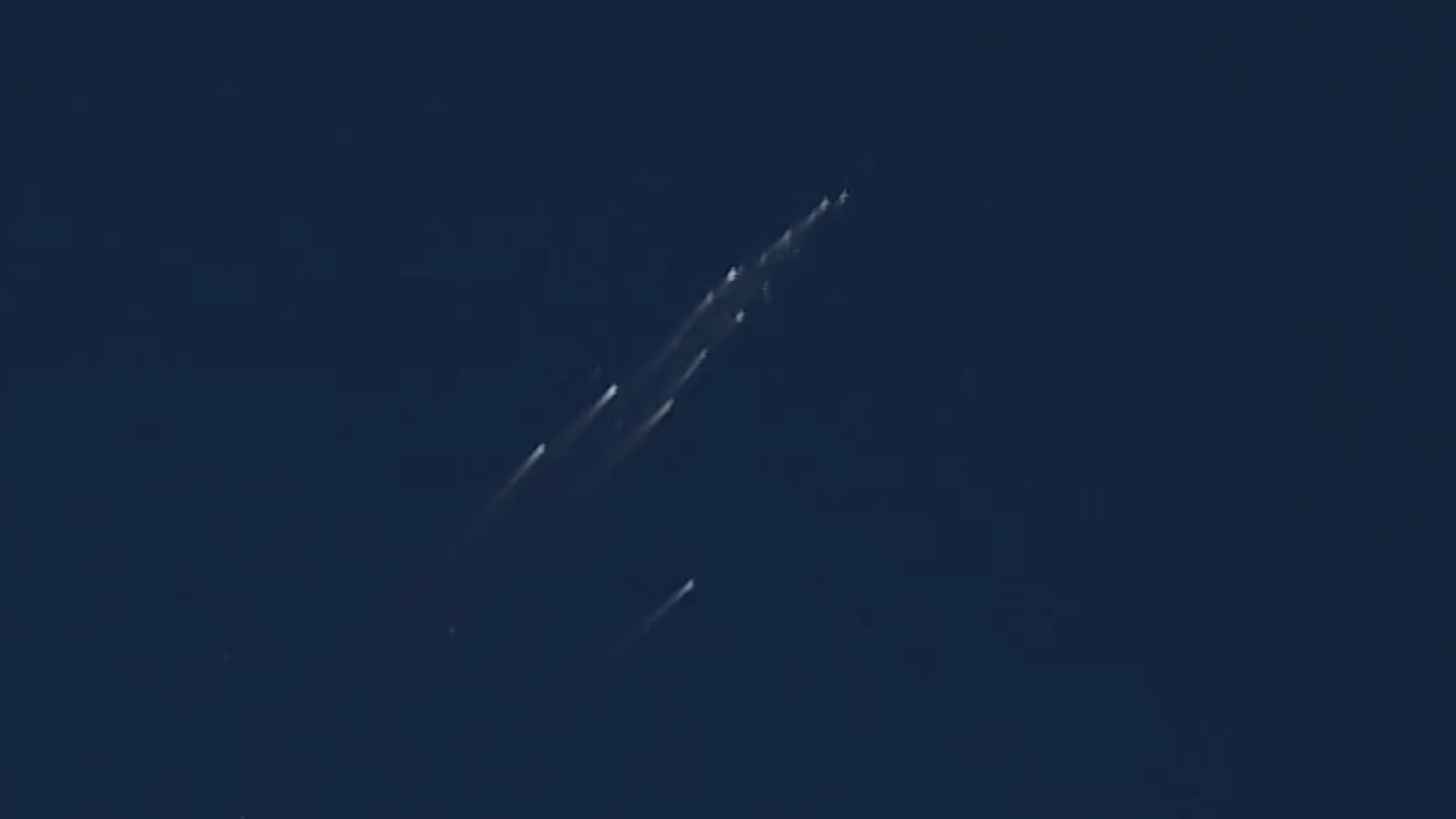
In a unique observational campaign reported on September 9, 2026, researchers from ESA chased two re-entering satellites in a private jet to measure the atmospheric pollution caused by spacecraft burning up. The study aims to quantify the environmental impact of uncontrolled re-entries, a critical data point for future regulatory debates on debris mitigation and end-of-life disposal standards. This research adds empirical weight to arguments for stricter deorbit timelines, complementing existing FCC rules that mandate disposal within five years of mission completion.
Local view
Japanese media highlighted Astroscale’s strategic expansion into Europe. Sorae reported on the ADRAS-J2 launch contract with Isar Aerospace, emphasizing Japan’s role in pioneering commercial debris removal. Media IR noted that the new France 2030 selection reinforces Astroscale’s position as a key player in building Europe’s on-orbit service infrastructure, aligning with EU efforts to reduce space debris. Investors are watching these developments closely as they signal a shift from experimental missions to commercially viable services.
Context & numbers
As of early September 2026, over 29,000 objects are tracked in orbit, with only about 18,000 being active satellites. The ESA’s latest reports indicate LEO debris collision risk has risen by 20% in 2026, driving an estimated 40 avoidance maneuvers per satellite annually across operational fleets. The FCC’s 5-year deorbit rule remains the primary regulatory driver for US operators, forcing design changes such as lower operational altitudes to ensure natural decay.
On the radar
- Post-Summit Policy Shifts: Following the International Space Summit in Paris (Sept 9-10), watch for any formal commitments or joint statements regarding dark sky preservation and debris mitigation standards from European stakeholders.
- Long March 6C Debris Tracking: Continued monitoring of the Long March 6C upper stage breakup from late August is ongoing, with LeoLabs tracking the dispersal of fragments near Starlink orbits.
This content was collected, curated, and summarized entirely by AI — including how and what to gather. It may contain inaccuracies. Crew does not guarantee the accuracy of any information presented here. Always verify facts on your own before acting on them. Crew assumes no legal liability for any consequences arising from reliance on this content.
Powered by
