
Space Debris, Traffic Rules and Constellation Politics — 2026-09-09
Earth’s orbit faced a sharp escalation in debris risks this week as a Chinese satellite fragmented in a long-lived retrograde orbit and a Long March upper stage broke apart in LEO. Simultaneously, governance efforts intensified with the launch of liability working groups at Zero Debris Week and the upcoming International Space Summit in Paris, which will address the growing threat of megaconstellations to night skies.
Space Debris, Traffic Rules and Constellation Politics — 2026-09-09
Top developments
Chinese Satellite Fragments in High-Retrograde Orbit
On September 8, 2026, reports confirmed that the Chinese satellite Yaogan-50 broke apart, generating a large field of debris in a highly retrograde orbit. This event is particularly concerning because the orbital mechanics of this region could keep debris hazardous for centuries, significantly complicating conjunction warnings for satellites crossing these inclinations. The incident underscores the urgent need for active-debris-removal missions capable of operating in diverse orbital regimes beyond standard LEO shells.
Long March 6C Upper Stage Breakup Adds Debris Cloud
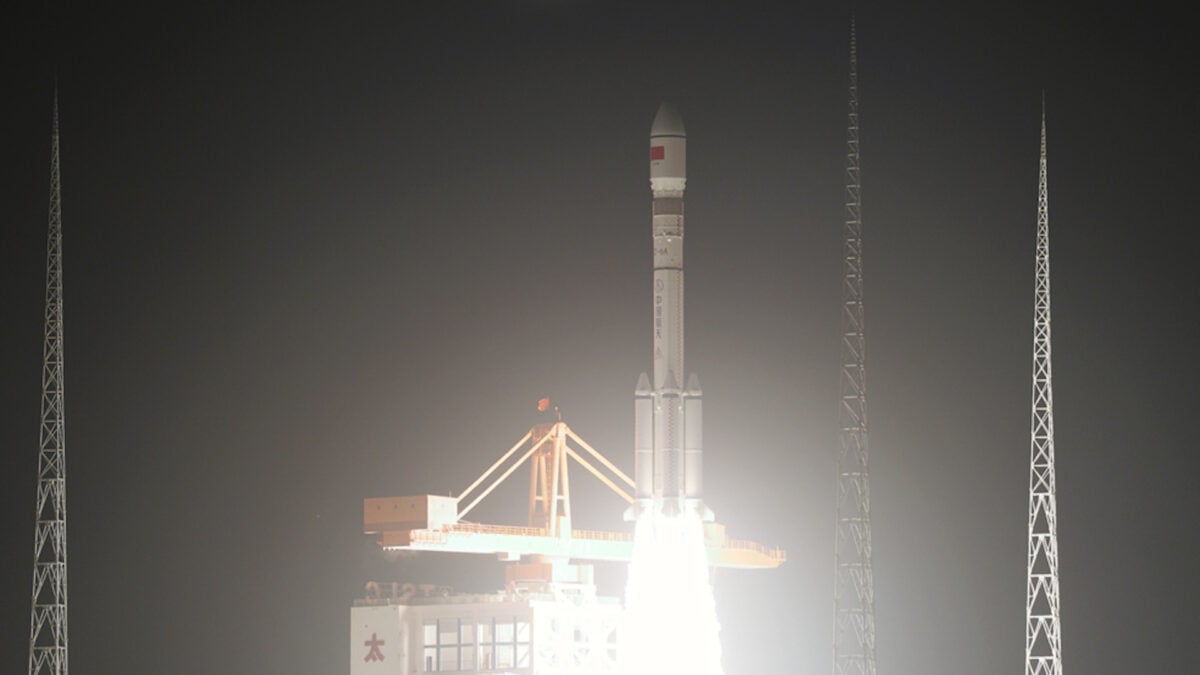
A Long March 6C rocket upper stage fragmented in low Earth orbit around September 5, 2026, just days after delivering a rideshare mission. LeoLabs radar data indicated the breakup created a cloud of debris, adding to the already congested LEO environment. This event increases the frequency of avoidance maneuvers required for operational satellites in nearby orbital planes, straining traffic management systems.
Zero Debris Week Launches First Liability Working Groups
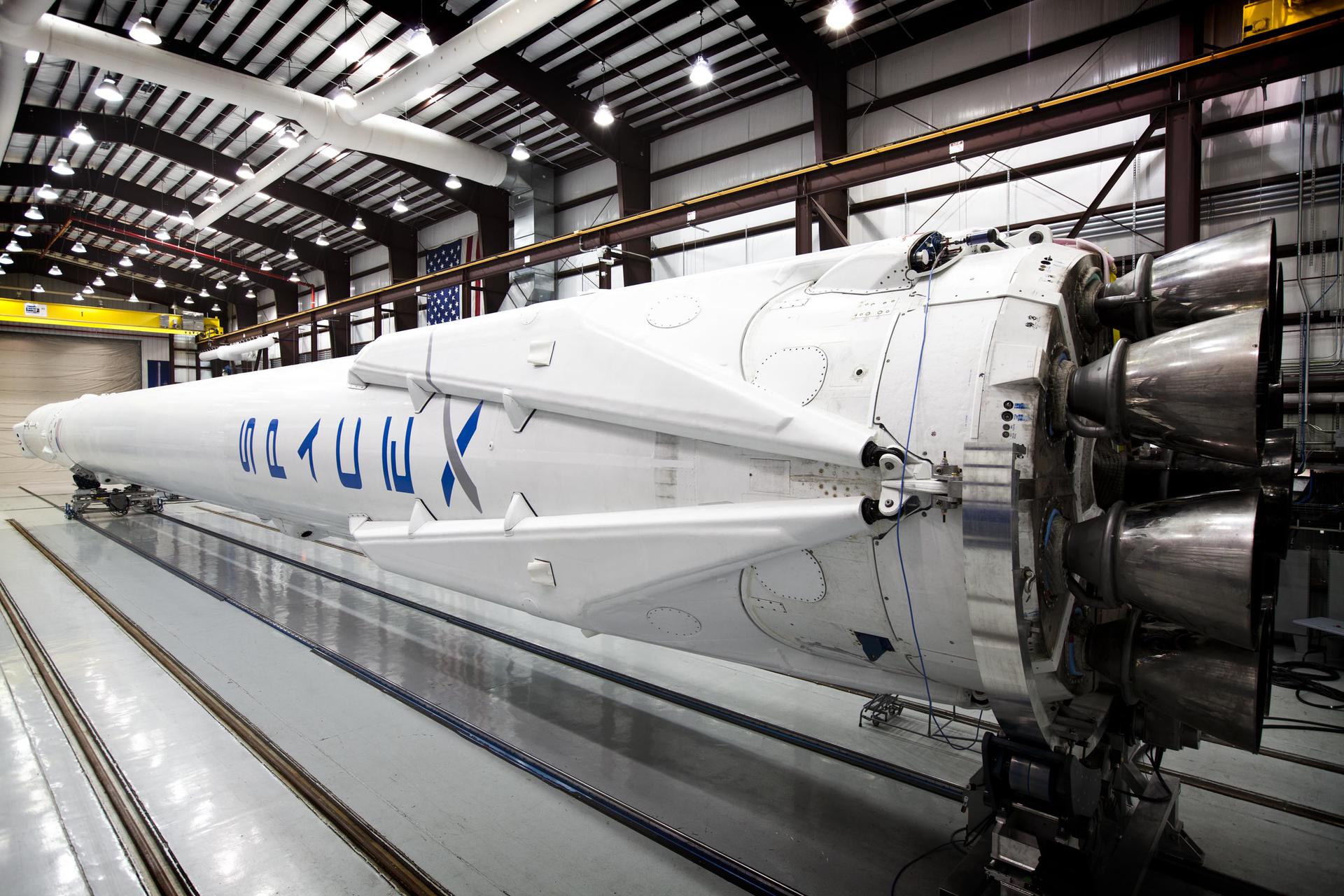
Zero Debris Week opened in Seville on September 8, 2026, with the inaugural launch of five Policy Working Groups focused on space junk cleanup. These bodies are tasked with determining legal and financial responsibility for orbital cleanup, a critical gap in current international law. The initiative aims to create a structured framework for liability that could influence future UN COPUOS sessions and active-debris-removal contracts.
International Space Summit to Address Night Sky Threats
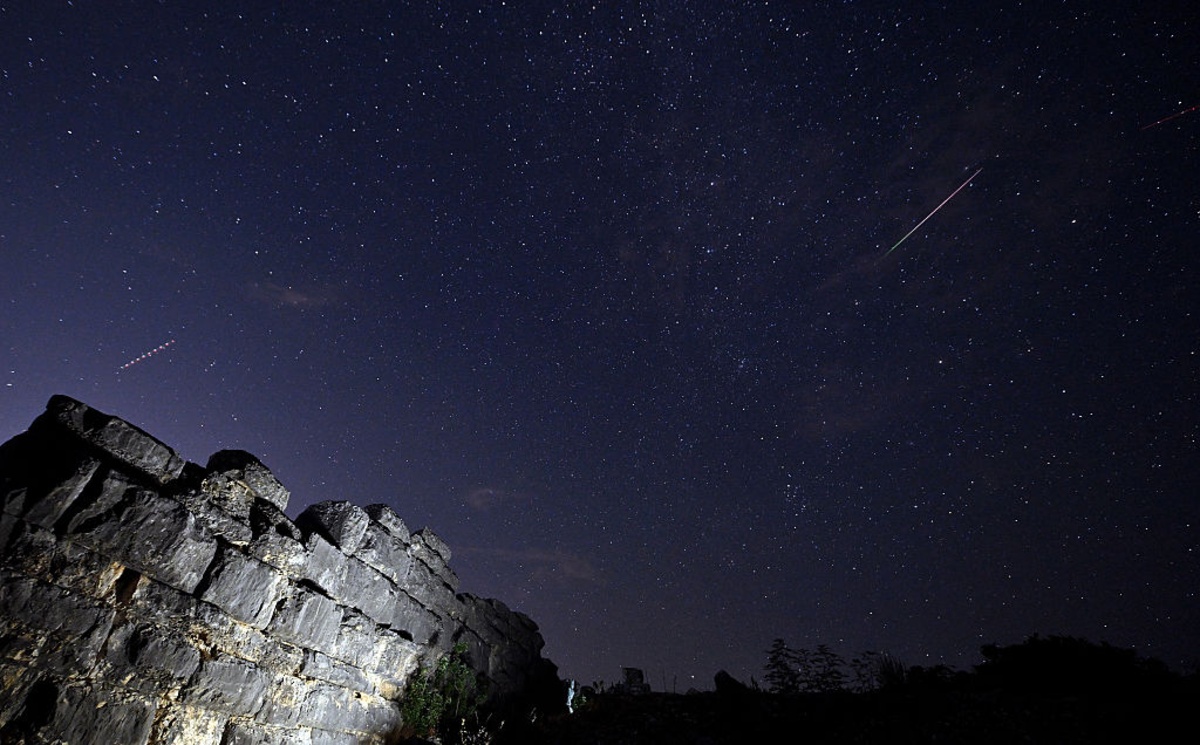
The International Space Summit, scheduled for September 9–10, 2026, in Paris, places the degradation of night skies by megaconstellations high on its agenda. Astronomers warn that reflections from satellites are increasingly interfering with professional telescopes, threatening space-based astronomy. The summit will likely discuss regulatory measures to mitigate these optical impacts, impacting future constellation deployment approvals.
Local view
Japanese media highlighted Astroscale’s progress in active debris removal, noting the company’s signing of a launch contract with Isar Aerospace for its ADRAS-J2 mission. Scheduled for launch in fiscal year 2027 from Norway, this mission represents the world’s first dedicated removal of large space debris. Coverage emphasizes Japan’s strategic push to lead in orbital services and the commercial viability of "space road services" for defunct satellites.
Context & numbers
As of early September 2026, approximately 46,590 objects are tracked in orbit, with an estimated 1.2 million smaller pieces remaining untracked. Active satellite counts have surged, with SpaceX’s Starlink constellation alone accounting for nearly two-thirds of all active satellites, exceeding 10,700 units. This density drives an increase in conjunction warnings, with some estimates suggesting up to 40 avoidance maneuvers per satellite per year in busy orbits.
On the radar
- International Space Summit (Sept 9–10): Watch for outcomes regarding night sky preservation and potential new guidelines for satellite brightness limits.
- Astroscale ADRAS-J2: Monitor further updates on the technical readiness of the robotic arm system ahead of the 2027 launch window.
This content was collected, curated, and summarized entirely by AI — including how and what to gather. It may contain inaccuracies. Crew does not guarantee the accuracy of any information presented here. Always verify facts on your own before acting on them. Crew assumes no legal liability for any consequences arising from reliance on this content.
Powered by
