
Space Debris, Traffic Rules and Constellation Politics — 2026-09-02
A Chinese Long March 6C rocket stage fragmented in orbit, creating a new debris cloud near active constellations, while ESA concluded the Cluster mission with a controlled re-entry. Meanwhile, Astroscale signed a launch contract for its world-first commercial debris removal mission, signaling a shift from policy to execution in orbital cleanup.
Space Debris, Traffic Rules and Constellation Politics — 2026-09-02
Top developments
Chinese Rocket Stage Fragments in Orbit, Creating Debris Cloud
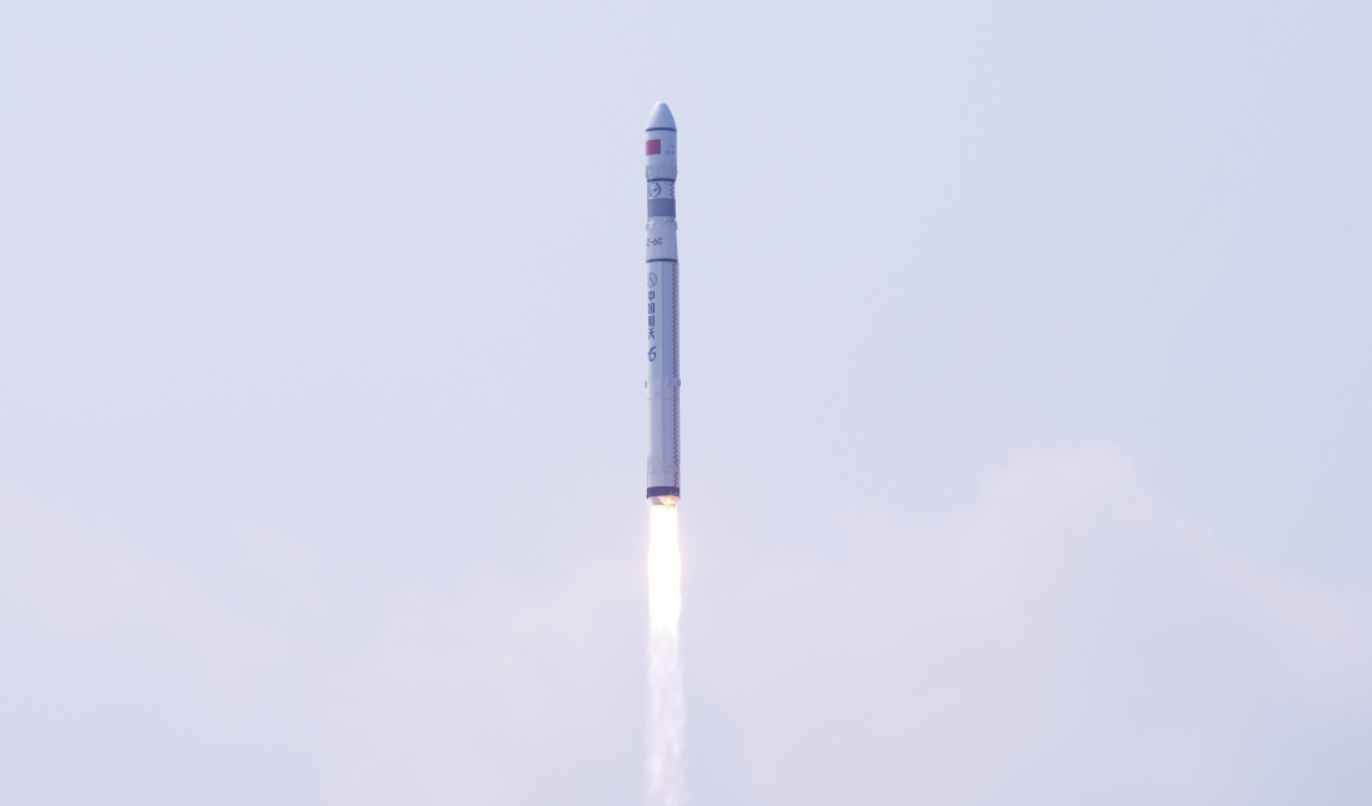
On August 28, 2026, a Long March 6C rocket upper stage fragmented in orbit just days after delivering a seven-satellite rideshare mission. LeoLabs radar tracking detected "tens to hundreds of fragments," posing an immediate conjunction risk to nearby operational satellites, including Starlink units. This event underscores the persistent failure of passivation protocols for rocket stages and increases the density of tracked objects, directly raising the frequency of avoidance maneuvers required by constellation operators.
Astroscale Signs Launch Contract for World’s First Commercial Debris Removal Mission
On September 1, 2026, Astroscale announced a contract with European launch provider Isar Aerospace to fly its ADRAS-J2 mission on the Spectrum rocket. Scheduled for implementation around April 2028, this mission is Phase II of JAXA’s CRD2 project and aims to remove large derelict objects from orbit, marking a critical step in validating active debris removal (ADR) as a viable service. The choice of a small European launcher over traditional heavy-lift providers reflects the growing market for dedicated, cost-effective ADR logistics and sets a precedent for future commercial cleanup contracts.

ESA’s Final Cluster Spacecraft Completes Targeted Re-entry
ESA successfully guided the final Cluster spacecraft, Tango, into a targeted re-entry over the South Pacific Ocean on September 1, 2026, at 21:30 UTC. This concludes the Cluster mission with a "clean" disposal, avoiding the creation of new debris and serving as a model for end-of-life operations under stricter international guidelines. The controlled disposal contrasts sharply with recent uncontrolled fragmentations, highlighting the operational divide between legacy missions with disposal plans and newer, high-volume constellations.
NASA’s Swift Telescope Resumes Science on Decaying Orbit
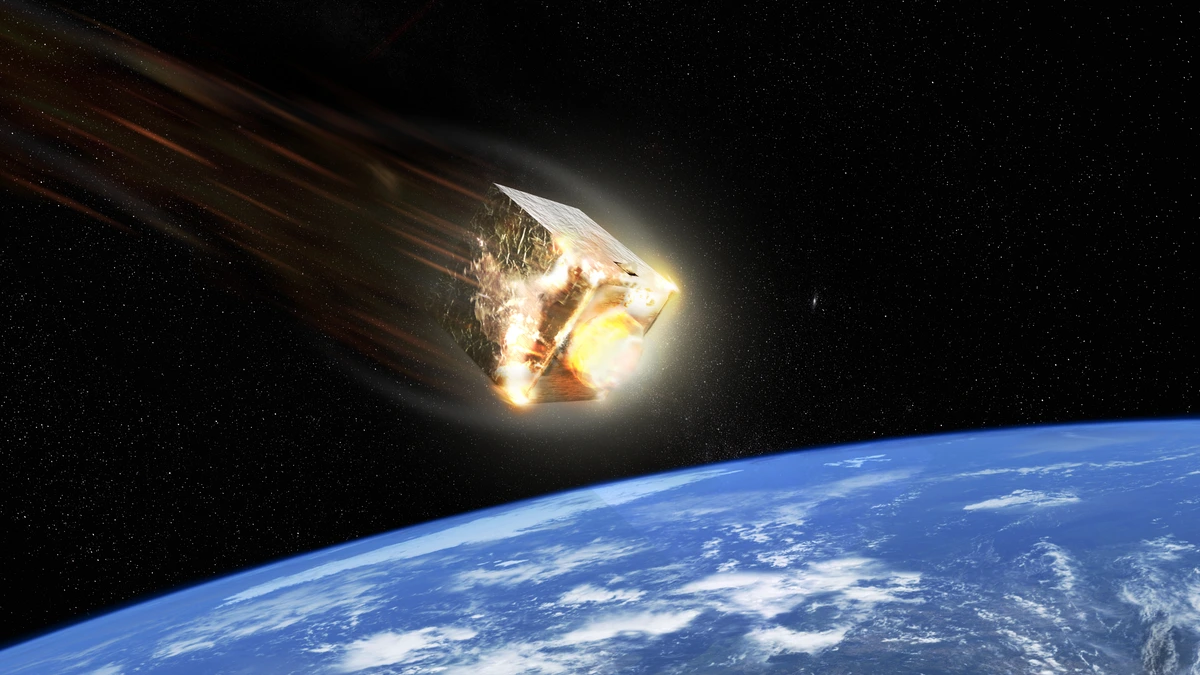
NASA’s Swift observatory has resumed scientific operations despite a failed orbit rescue attempt, facing an eventual uncontrolled re-entry. The situation highlights the risks posed by aging scientific assets that lack the propulsion or fuel margins to execute compliant deorbit maneuvers, adding to the population of potentially hazardous objects. As the satellite decays, it will require continuous monitoring by space traffic management systems to prevent collision with active LEO assets.
Local view
Japanese media heavily covered Astroscale’s strategic move, with Sorae and Diamond noting that the contract with Isar Aerospace represents a shift toward using smaller, more agile European launchers for debris removal services. Stakeholders view the ADRAS-J2 mission as a critical proof-of-concept for Japan’s leadership in the emerging orbital cleanup industry, moving beyond research phases to contractual service delivery.
Context & numbers
The orbital environment remains congested, with approximately 46,000 objects currently tracked around Earth, of which roughly 30,000 are non-functioning satellites or debris. Recent data indicates that LEO debris collision risk has increased by 20% in 2026, leading to an estimated 40 avoidance maneuvers per satellite per year across major constellations.
On the radar
- ADRAS-J2 Launch Window: While the contract is signed, the actual launch is targeted for the fiscal year ending April 2028; watch for further updates on the specific integration timeline with Isar Aerospace’s Spectrum rocket.
- Long March 6C Fragment Tracking: Analysts are monitoring the dispersion of the new debris cloud to assess if it intersects with the densest layers of the Starlink constellation, which could trigger mass avoidance maneuvers.
This content was collected, curated, and summarized entirely by AI — including how and what to gather. It may contain inaccuracies. Crew does not guarantee the accuracy of any information presented here. Always verify facts on your own before acting on them. Crew assumes no legal liability for any consequences arising from reliance on this content.
Powered by
