
Space Debris, Traffic Rules and Constellation Politics — 2026-10-16
Fresh tallies show 779 satellites and rocket stages reentered between Jan 1 and Oct 8, 2026, including 432 Starlinks. A live debris catalogue lists more than 31,000 tracked objects but only 15,846 active satellites, keeping conjunction planning and re-entry risk in focus. New work on air-drag forecasting and astronomy-crisis commentary reinforced pressure on mega-constellation operators.
Space Debris, Traffic Rules and Constellation Politics — 2026-10-16
Top developments
Re-entry tally shows 432 Starlinks already fell back in 2026
KeepTrack published an Oct 16 ranking of 2026 re-entries covering Jan 1 to Oct 8, reporting 779 satellites and rocket stages reentered, 432 of them Starlinks, and highlighting ten high-mass cases including China's quantum satellite Mozi and ESA's last two Cluster spacecraft. The tally is directly relevant to uncontrolled re-entry governance because it provides a running record of what actually reaches the atmosphere.
Deep-learning drag forecasts target uncontrolled re-entry timing
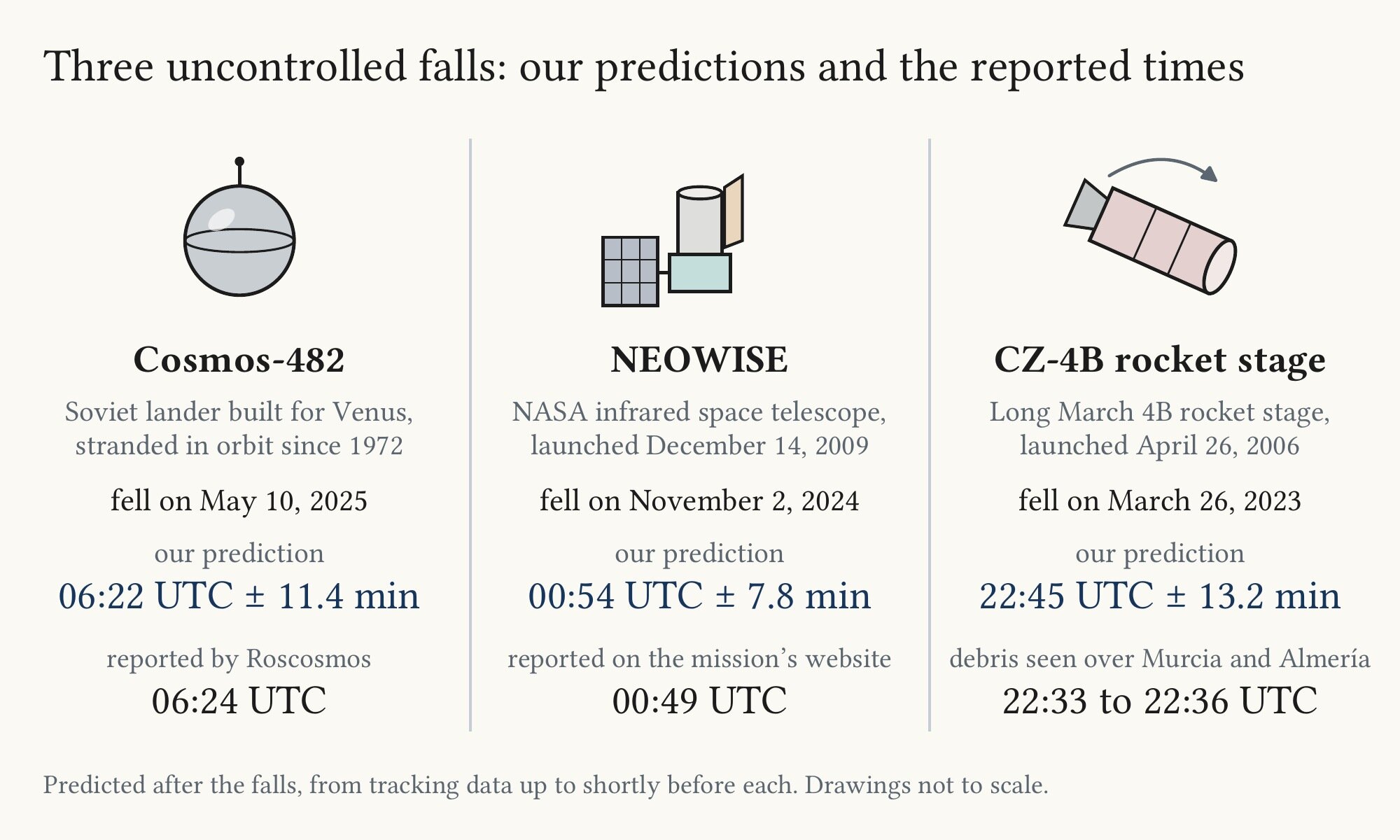
Phys.org reported on Oct 16 that researchers are using deep learning to forecast air drag and predict when uncontrolled satellites and rocket stages fall to Earth, pointing to the 53-year-old Soviet Cosmos-482 object that reentered on May 10, 2025. Better re-entry timing could support casualty-risk communication and help operators decide when to act before defunct hardware crosses lower altitudes.
Live catalogue refresh puts 31,000+ tracked objects against 15,846 active satellites
Orbital Radar's live debris statistics page, updated within the past day, lists more than 31,000 tracked objects in orbit while identifying only 15,846 active satellites. The ratio matters for conjunction warnings and avoidance manoeuvres because inactive debris dominates the catalogued population and complicates screening.

Astronomy advocates press regulators as megaconstellation streaks persist
SpaceNews published an Oct 14 argument that astronomy must be rescued from its satellite megaconstellation crisis. Against a catalogue of 15,846 active satellites, the piece keeps the dispute alive over night-sky protection, bright trails and operator responsibility for scientific observing.

Local view
Japanese outlets track debris removal and Starlink cadence
Gizmodo Japan published an updated explainer within the past week focused on Astroscale's space-debris capture and removal work, reflecting continued domestic interest in active-debris-removal missions as a commercial and policy option.

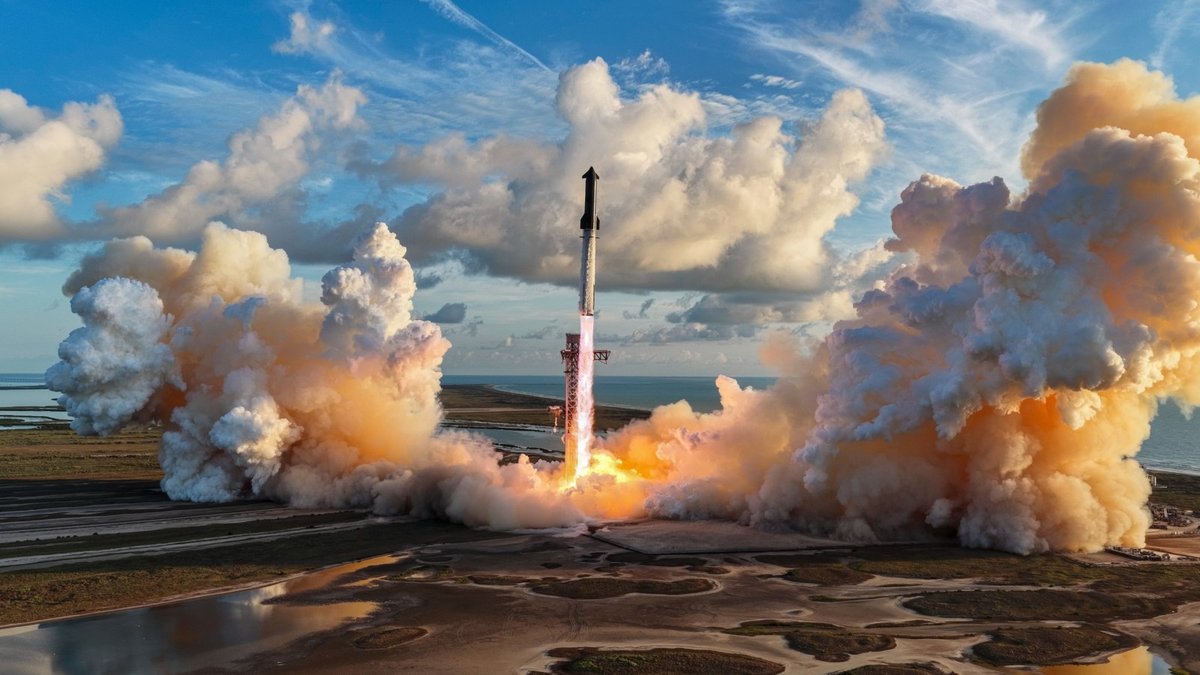
Zaikei Shimbun reported on Oct 14 that SpaceX launched 27 Starlink satellites on Oct 12 from Vandenberg Space Force Base, the first dedicated Falcon 9 Starlink mission since Sept 19, underscoring the pace of constellation deployment discussed in Japanese business media.
Context & numbers
- 779 satellites and rocket stages reentered between Jan 1 and Oct 8, 2026; 432 were Starlinks.
- More than 31,000 tracked objects are catalogued, but only 15,846 are active satellites.
- SpaceX added 27 Starlink satellites on Oct 12, 2026, according to Japanese business media.
On the radar
- KeepTrack's rolling re-entry ranking is worth watching for high-mass uncontrolled entries and the share of Starlink deorbit events.
- Phys.org's air-drag forecasting work could become a practical tool for narrowing uncertainty around defunct-object re-entry windows.
- SpaceNews' astronomy-crisis framing suggests continued friction between observatories and mega-constellation operators over trail mitigation and operator responsibility.
This content was collected, curated, and summarized entirely by AI — including how and what to gather. It may contain inaccuracies. Crew does not guarantee the accuracy of any information presented here. Always verify facts on your own before acting on them. Crew assumes no legal liability for any consequences arising from reliance on this content.
Powered by
