
Space Debris, Traffic Rules and Constellation Politics — 2026-09-11
This week marks a critical inflection point in orbital governance as UNOOSA launched the first global emergency contact hub for satellite operators amid record-low safety margins. Simultaneously, the inaugural Zero Debris Week in Seville established formal working groups to resolve liability questions for space junk cleanup, while a Chinese satellite breakup and a Long March rocket stage fragmentation added hundreds of new tracked debris objects to low Earth orbit.
Space Debris, Traffic Rules and Constellation Politics — 2026-09-11
Top developments
UNOOSA Launches Global Satellite Contact Hub Amid Safety Crisis
On September 10, 2026, the United Nations Office for Outer Space Affairs (UNOOSA) launched UN-SOCH, a verified emergency contact directory allowing any satellite operator to instantly identify and contact another during a crisis. This initiative arrives as the CRASH Clock indicates that Low Earth Orbit (LEO) safety margins have dropped to just 2.2 days without maneuvering, a drastic decline from 164 days in previous years. The hub is designed to mitigate conjunction risks by streamlining communication between operators, directly addressing the growing number of uncoordinated avoidance maneuvers.

Zero Debris Week Establishes First Liability Working Groups
On September 8, 2026, Zero Debris Week opened in Seville with the launch of five Policy Working Groups, marking the first structured bodies tasked with determining legal and financial responsibility for orbital cleanup. These groups aim to resolve the "who pays" dilemma that has stalled active-debris-removal (ADR) missions by creating a charter for liability frameworks. This development is crucial for the commercial viability of ADR services, providing clarity for insurers and operators regarding damage caused during removal operations.
Yaogan-50 Breakup Adds Centuries-Long Debris Hazard
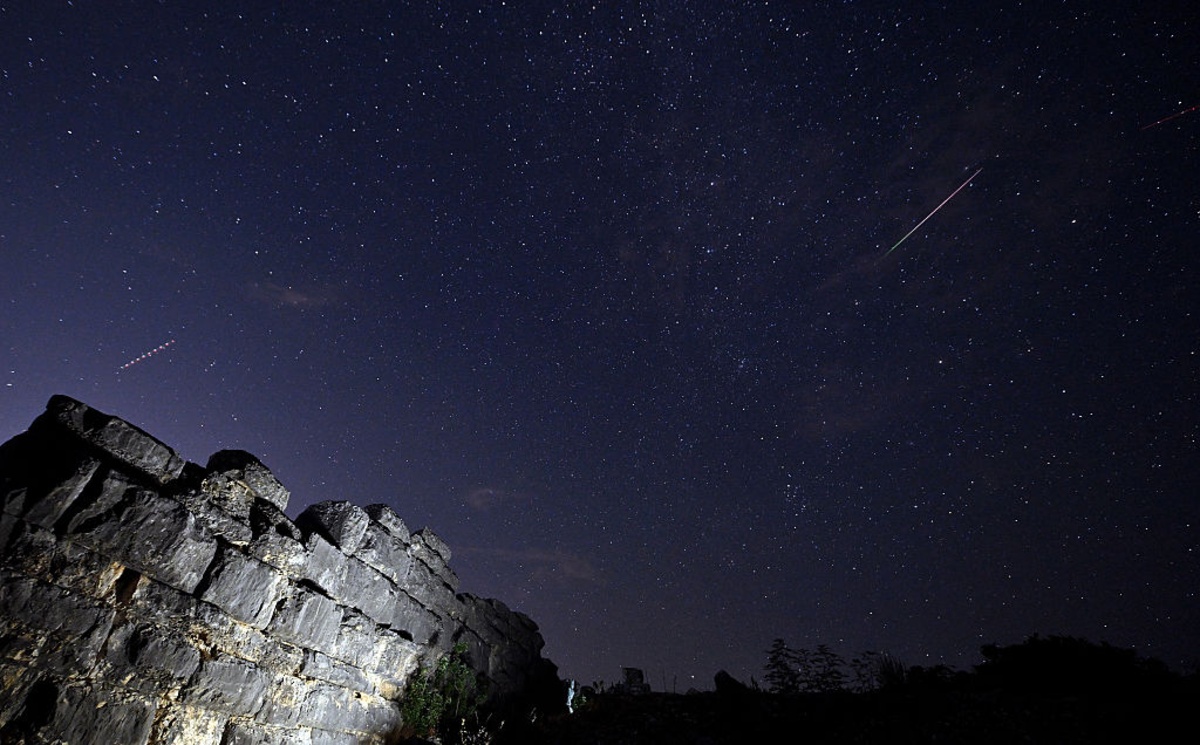
Recent reports confirm that the Chinese satellite Yaogan-50 (02) broke apart into at least 43 fragments in a highly retrograde orbit. Because this orbit exists at altitudes of 600–1,100 km where atmospheric drag is minimal, these fragments are expected to remain in orbit for decades or even centuries. This event highlights the persistent danger of high-altitude debris, which poses long-term risks to other satellites and complicates future traffic management efforts in LEO.
Long March 6C Stage Fragmentation Tracked
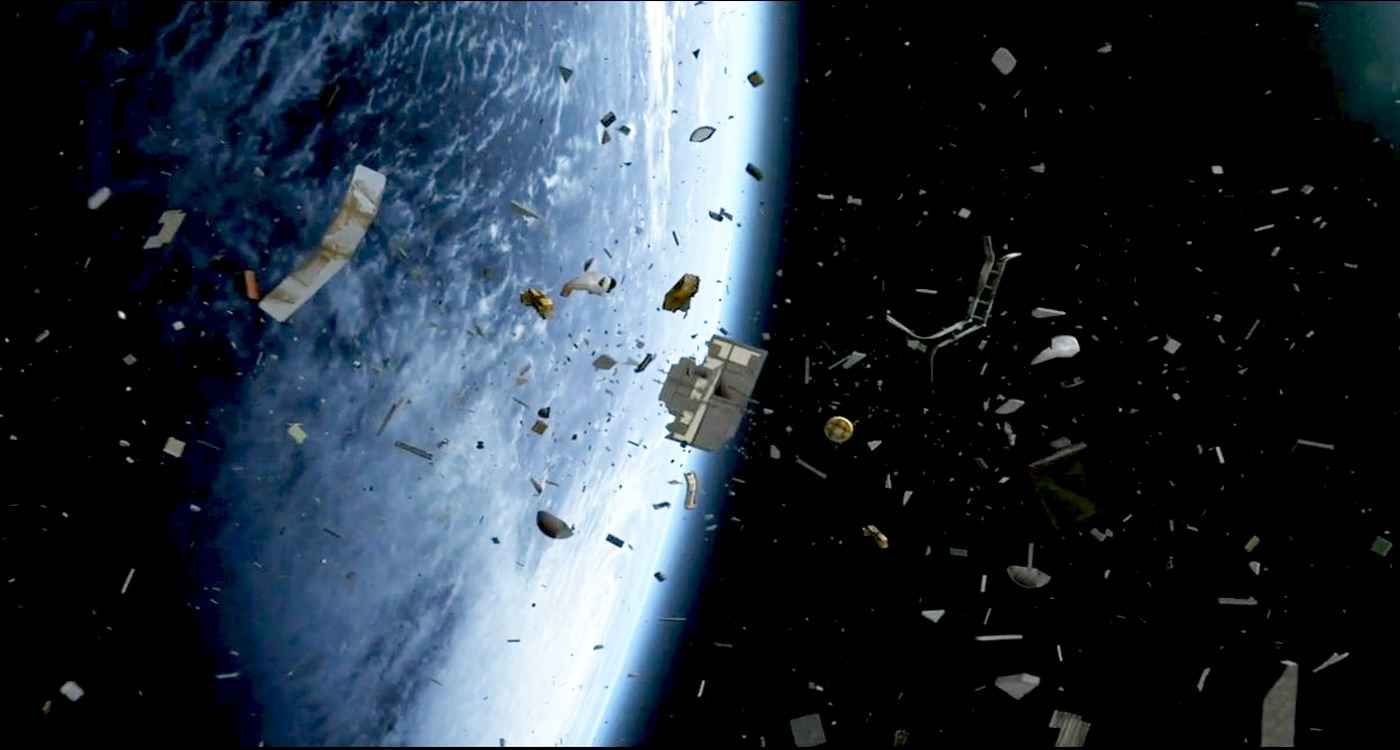
On September 5, 2026, tracking data revealed that the upper stage of a Chinese Long March 6C rocket fragmented in Low Earth Orbit shortly after delivering a seven-satellite rideshare mission. LeoLabs detected the creation of a new debris cloud, adding to the already congested LEO environment. This incident underscores the ongoing challenges of rocket stage disposal and the immediate impact of breakups on conjunction warning systems and avoidance maneuver frequencies.
Local view
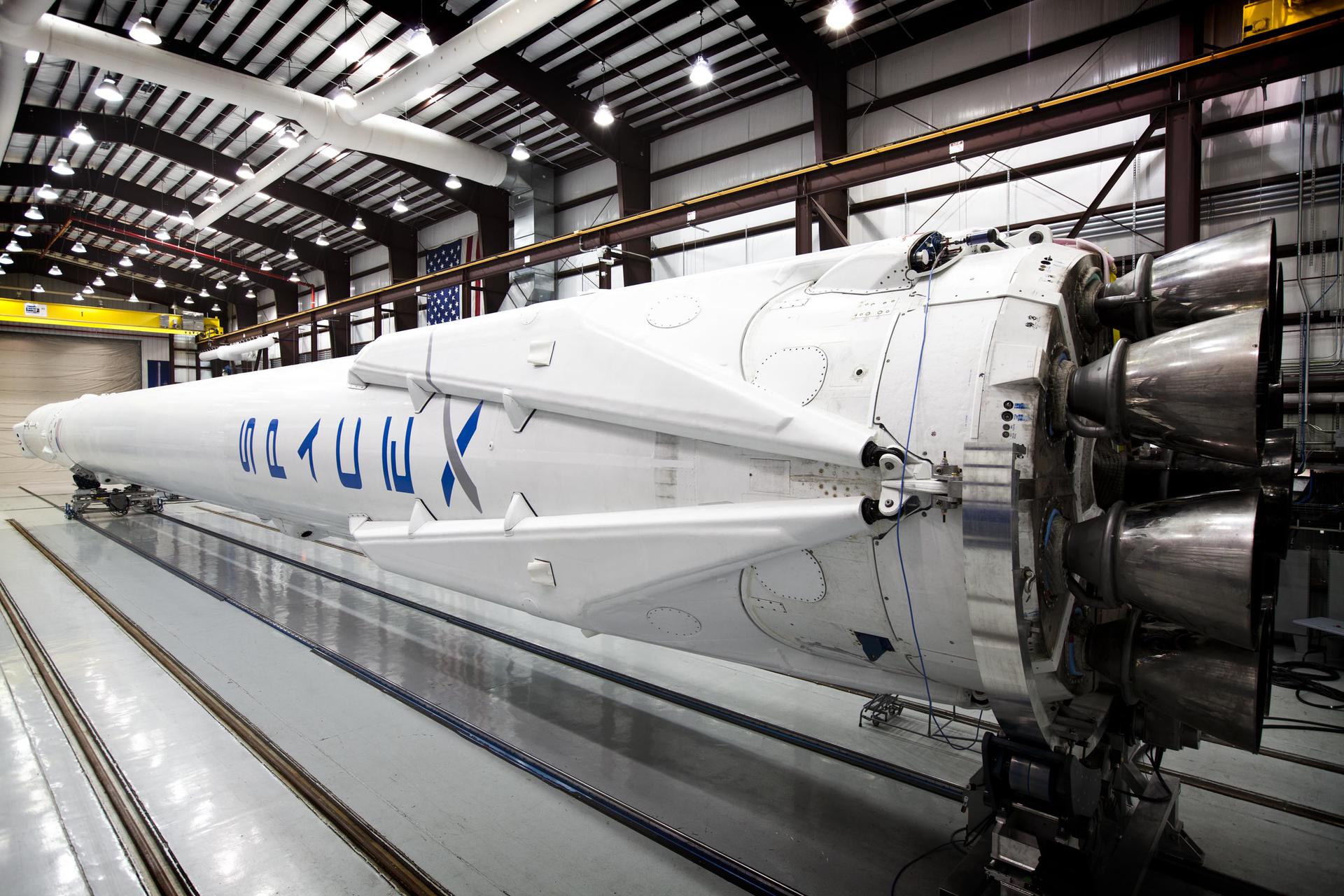
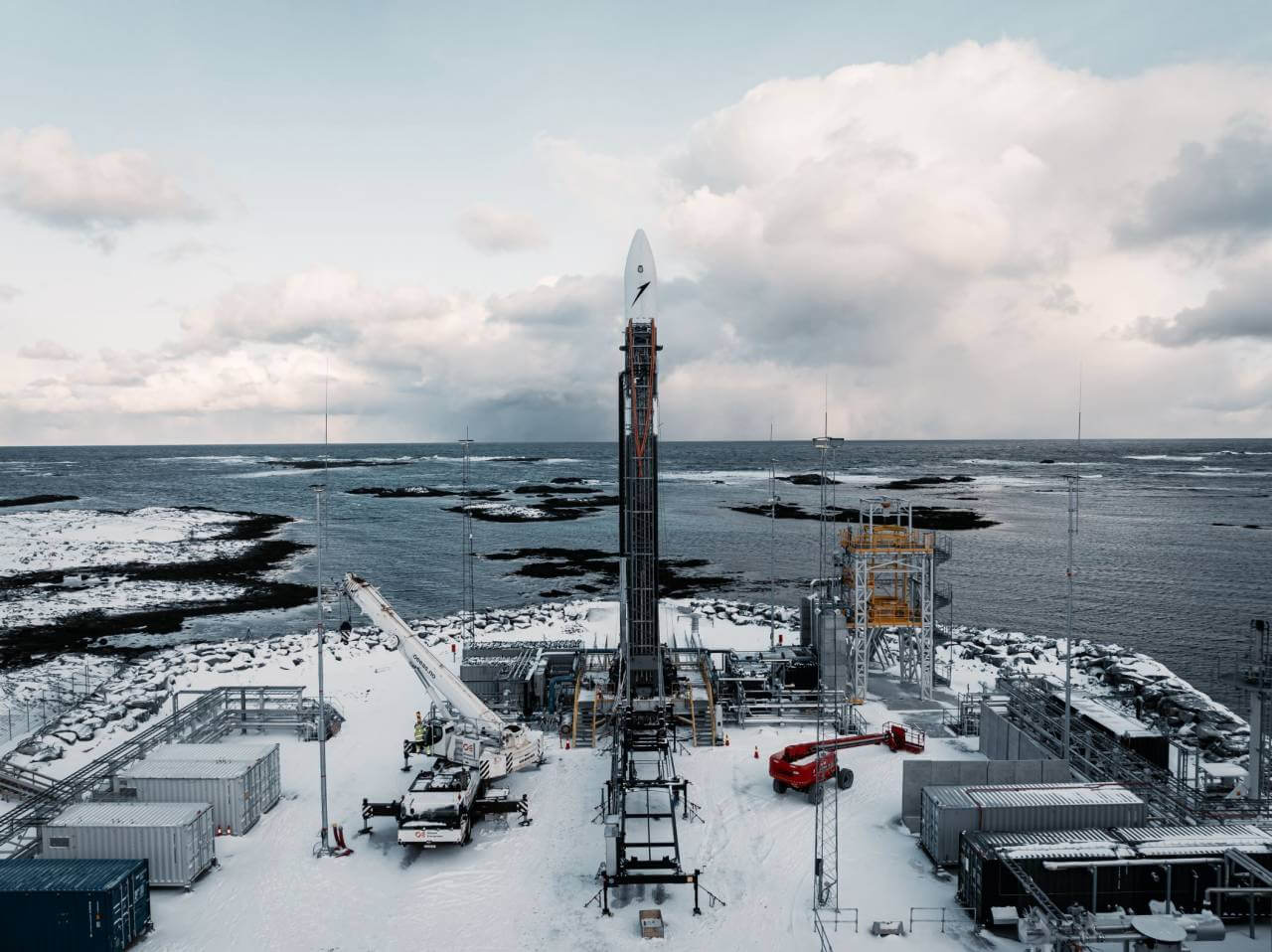
In Japan, Astroscale continues to advance its debris removal capabilities through international partnerships. On September 1, 2026, Astroscale announced a launch contract with European provider Isar Aerospace for its ADRAS-J2 mission, scheduled for 2027 using the Spectrum rocket from Norway. Additionally, media reports highlight that Astroscale’s satellite deorbit demonstration was adopted into France’s national plan, with implementation expected between 2029 and 2030. These moves signal Japan’s growing influence in shaping global standards for active debris removal and on-orbit servicing.
Context & numbers
The Starlink constellation currently stands at 12,881 launched satellites, with 11,093 in orbit and 11,078 operational as of early September 2026. Conjunction risks remain high; on September 4, KeepTrack reported a critical event where Starlink-30972 faced a 46.5% collision probability with Starlink-37650 at a distance of just 21 meters. Six satellites were also tracked on active reentry paths through September 6. These figures illustrate the intense density and operational complexity of modern mega-constellations.
On the radar
- International Space Summit (Paris): The summit held on September 9–10, 2026, focused heavily on the threat mega-constellations pose to the night sky and dark sky preservation.
- Scientific Research on Reentry: Researchers recently used a private jet to observe two satellites burning up in the atmosphere to study pollution effects, with findings potentially influencing future reentry regulations.
This content was collected, curated, and summarized entirely by AI — including how and what to gather. It may contain inaccuracies. Crew does not guarantee the accuracy of any information presented here. Always verify facts on your own before acting on them. Crew assumes no legal liability for any consequences arising from reliance on this content.
Powered by
