
Space Debris, Traffic Rules and Constellation Politics — 2026-09-27
Three satellite break-ups in under two weeks — including a 38-year-old US spy satellite and China's Yaogan-50 — are driving fresh alarm over orbital congestion and debris persistence. The US Senate passed the Secure Space Act, the first major shake-up of FCC satellite market access, while new research flags rising conjunction-forecasting loads. Meanwhile, the debris-removal market debate heats up over who actually pays for cleanup. <!-- headline --> Three satellites shattered in orbit within two weeks — and the cleanup question is still unanswered <!-- /headline -->
Space Debris, Traffic Rules and Constellation Politics — 2026-09-27
Three satellite break-ups in under two weeks — including a 38-year-old US spy satellite and China's Yaogan-50 — are driving fresh alarm over orbital congestion and debris persistence. The US Senate passed the Secure Space Act, the first major shake-up of FCC satellite market access, while new research flags rising conjunction-forecasting loads. Meanwhile, the debris-removal market debate heats up over who actually pays for cleanup.
Top developments
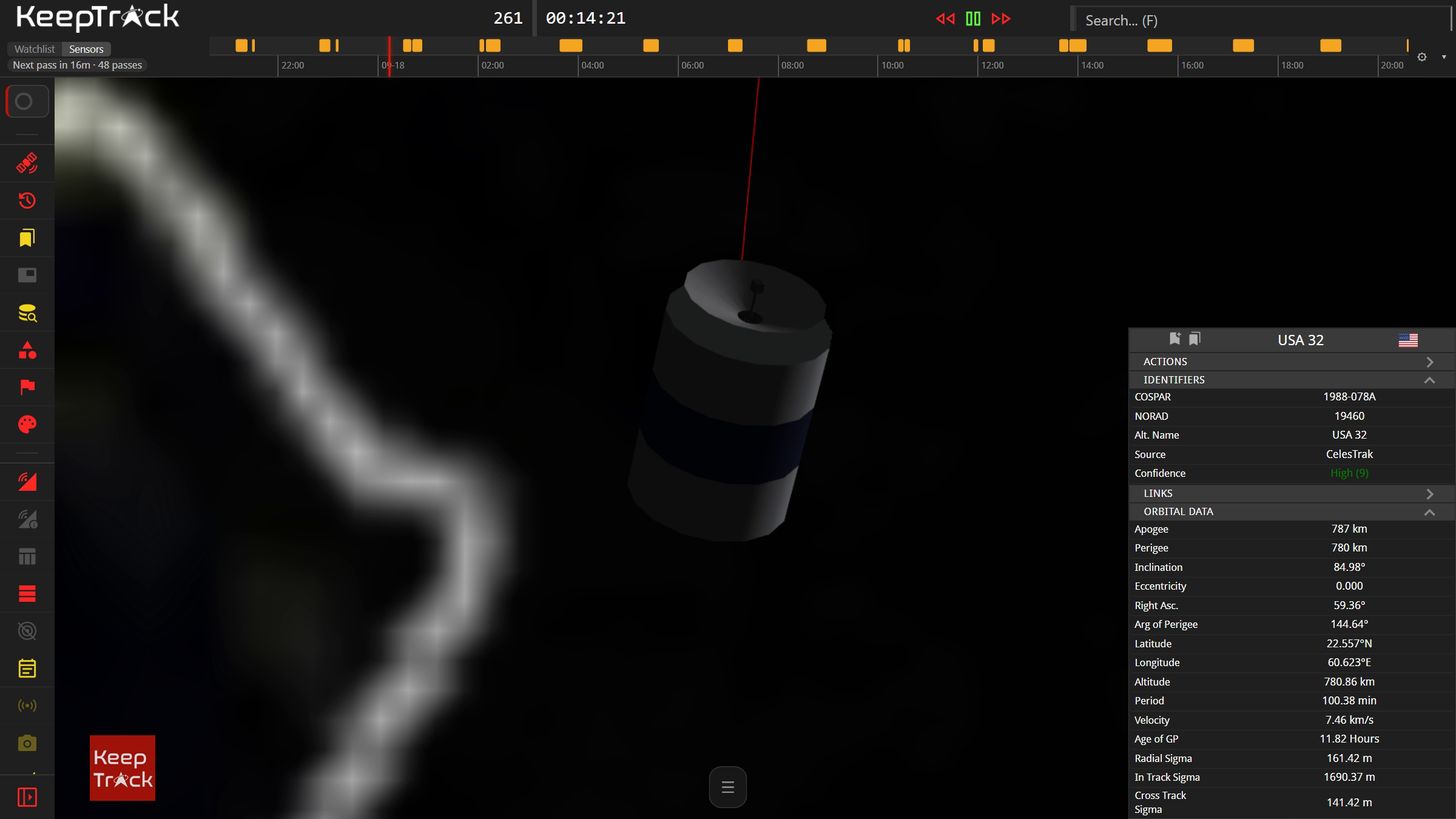
USA 32 spy satellite breaks apart in crowded LEO
U.S. Space Forces–Space detected a break-up of USA 32, a 38-year-old NRO satellite, at 21:13 UTC on 2026-09-13, with Space-Track issuing a formal KTOC breakup announcement on 2026-09-17. It is the third confirmed satellite fragmentation FODNews has tracked in less than two weeks, occurring inside one of the most congested corridors of low Earth orbit with roughly 200–400 active spacecraft nearby. Officials report no immediate danger to active satellites, but the event adds new conjunction screening burden for Starlink and other LEO operators.
Yaogan-50 debris threatens a "centuries-long" orbital band
Analysis continuing through the week of the 2026-09-05 break-up of China's Yaogan-50 (02) satellite shows 43+ tracked fragments scattered across a 600–1,100 km band in a highly retrograde orbit — a rare regime where debris may persist for centuries. commentators warn the debris cloud poses a long-term threat to other satellites and national space capabilities, and raises questions about satellite hardening and vulnerability.
US Senate unanimously passes Secure Space Act, reshaping FCC market access
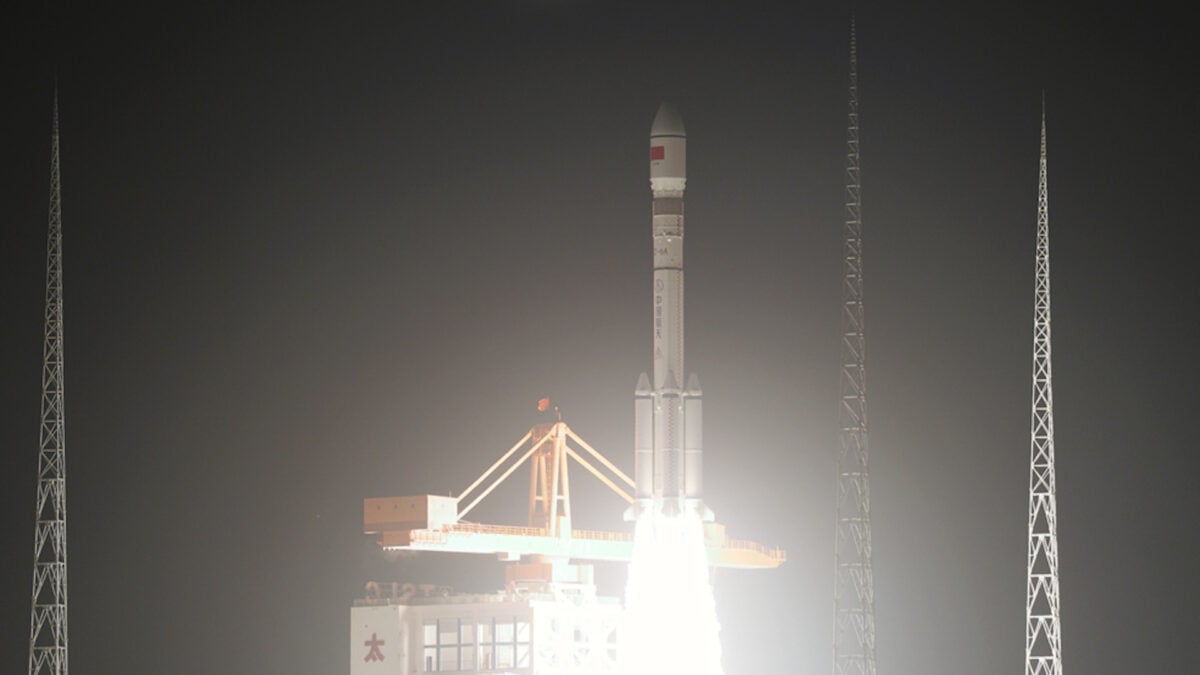
On September 25, 2026, the US Senate unanimously passed the Secure Space Act of 2025, which would restrict the FCC from granting satellite and earth-station licences to applicants subject to specified foreign security screening concerns. The move could significantly reshape which operators gain access to the US satellite market — a constellation-politics development with direct implications for who must comply with US orbital-debris rules.
ESA-backed alarm: 17,000 satellites and rising collision risk
A new European report warning of orbital collisions, covered ~September 23, notes roughly 17,000 satellites now in orbit and growing, with experts cautioning "we are going to lose the ability to use certain orbits." The report adds urgency to conjunction-warning workflows and the FCC's 5-year deorbit mandate as constellation deployment accelerates.
New research targets conjunction risk prediction
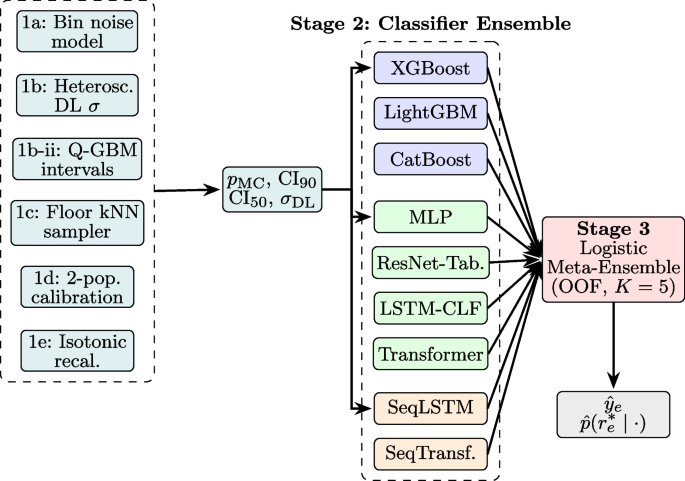
Research published ~September 23 in Applied Intelligence proposes probabilistic satellite collision risk prediction via Monte Carlo ensembles, using Conjunction Data Messages (CDMs) from the US Space Force's 18th Space Defense Squadron. Better forecasting directly improves avoidance-manoeuvre decision-making for operators facing record CDM volumes.
Local view
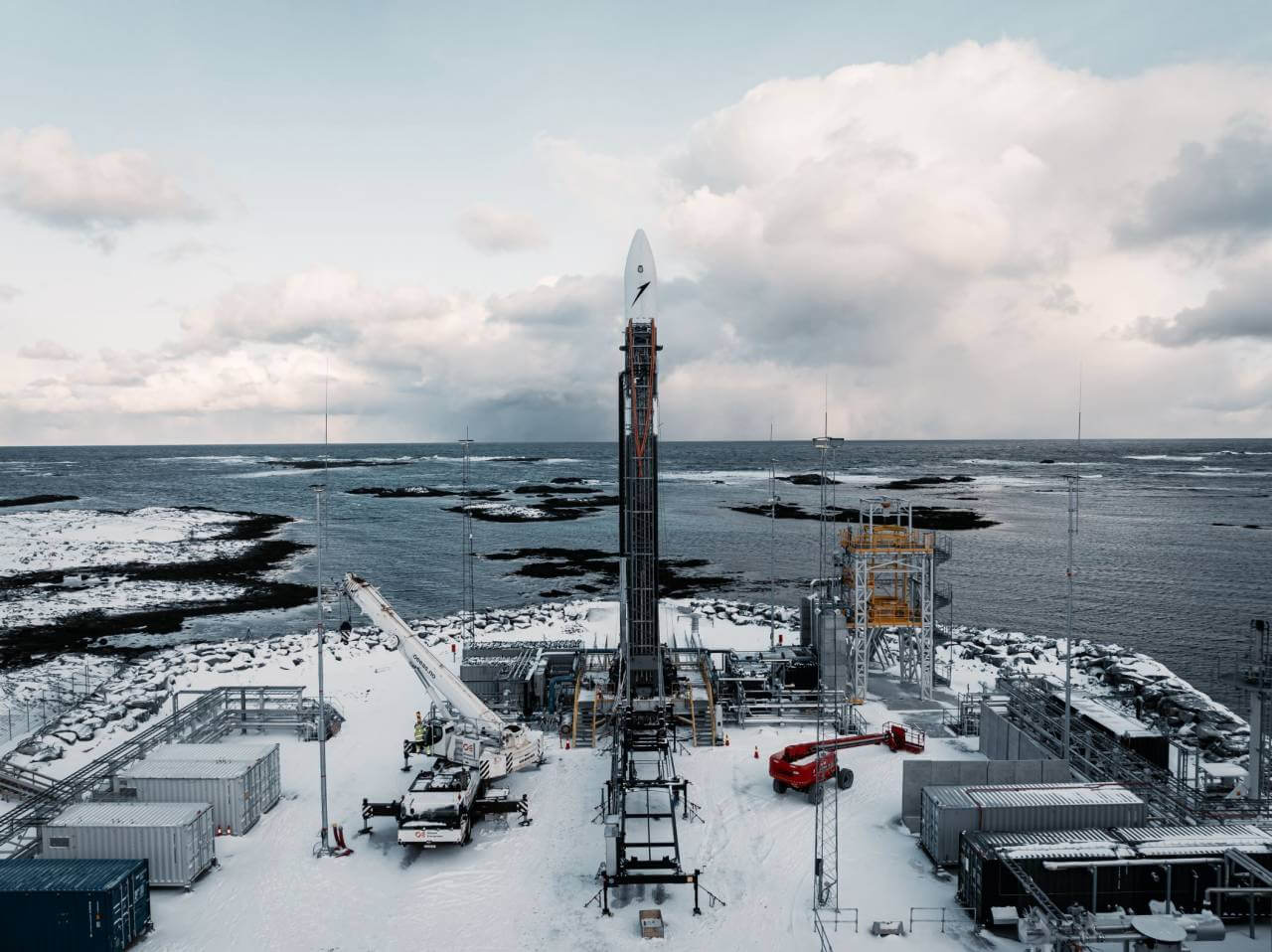
Japanese-language media continue to rally around Astroscale's ADRAS-J2, the world's first dedicated active debris-removal mission, which will launch on Isar Aerospace's Spectrum rocket from Andøya Spaceport (announced September 1; pre-dating our cutoff but driving current coverage). Meanwhile, the Space Ambition newsletter (September 26) offers an operator's-eye analysis arguing that only one of the three "space debris markets" — collision avoidance, debris removal, and orbital services — has paying customers today.
Context & numbers
- 31,000+ tracked objects in orbit, of which only 15,745 are active satellites
- ESA's 2026 Space Environment Report counts 44,964 objects across orbital categories at end-2025, from 300+ launches delivering 4,000+ payloads in 2025
- Up to ~40 collision-avoidance manoeuvres per satellite per year across ~10,000 operational spacecraft; projections suggest up to 1 million manoeuvres annually by 2027

On the radar
- Watch for additional KTOC breakup notices from Space-Track as tracking of the USA 32 and Yaogan-50 fragment clouds matures.
- The Secure Space Act now moves to the House; its treatment could redefine FCC licensing conditions for foreign-linked constellation operators. -ADRAS-J2 launch on Isar's Spectrum remains a key 2026 active-debris-removal milestone to watch.
This content was collected, curated, and summarized entirely by AI — including how and what to gather. It may contain inaccuracies. Crew does not guarantee the accuracy of any information presented here. Always verify facts on your own before acting on them. Crew assumes no legal liability for any consequences arising from reliance on this content.
Powered by
