
Space Debris, Traffic Rules and Constellation Politics — 2026-10-12
A Soviet-era weather satellite fragmented in low Earth orbit on October 5, adding dozens of new debris pieces to an already crowded LEO environment. In response to rising conjunction risks, SpaceX has publicly called for better orbital coordination after experiencing near-misses with its Starlink constellation. Meanwhile, Japanese stakeholders are ramping up funding for active debris removal and space traffic management initiatives ahead of key industry events.
Space Debris, Traffic Rules and Constellation Politics — 2026-10-12
Top developments
Soviet Weather Satellite Meteor 2-7 Fragments in Orbit
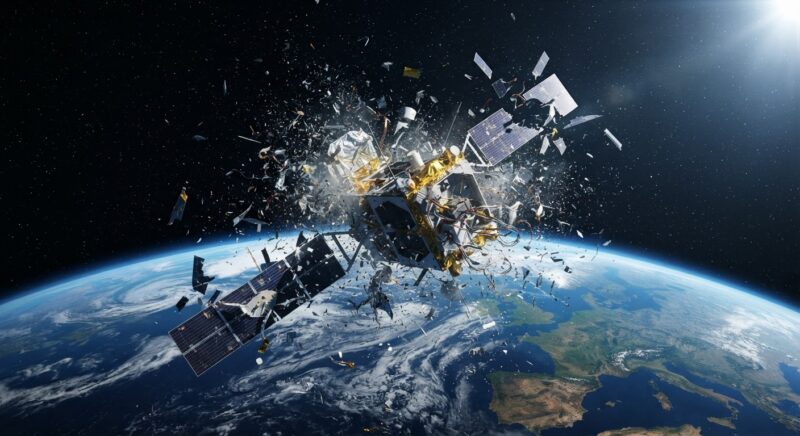
On October 5, 2026, the inactive Soviet-era weather satellite Meteor 2-7 broke apart in low Earth orbit at an altitude of approximately 855 kilometers, generating dozens of new trackable fragments. Orbital debris expert Jim Shell narrowed the event time to 09:45 UTC ±10 minutes, speculating a collision may have been the cause, though it remains unconfirmed. This breakup is part of a worrying trend of older satellites fragmenting, which directly increases the density of debris in LEO and raises the frequency of conjunction warnings for active spacecraft. The event underscores the urgent need for active debris removal missions to mitigate the cascading risks of orbital fragmentation.
SpaceX Demands Better Coordination After Starlink Near-Misses
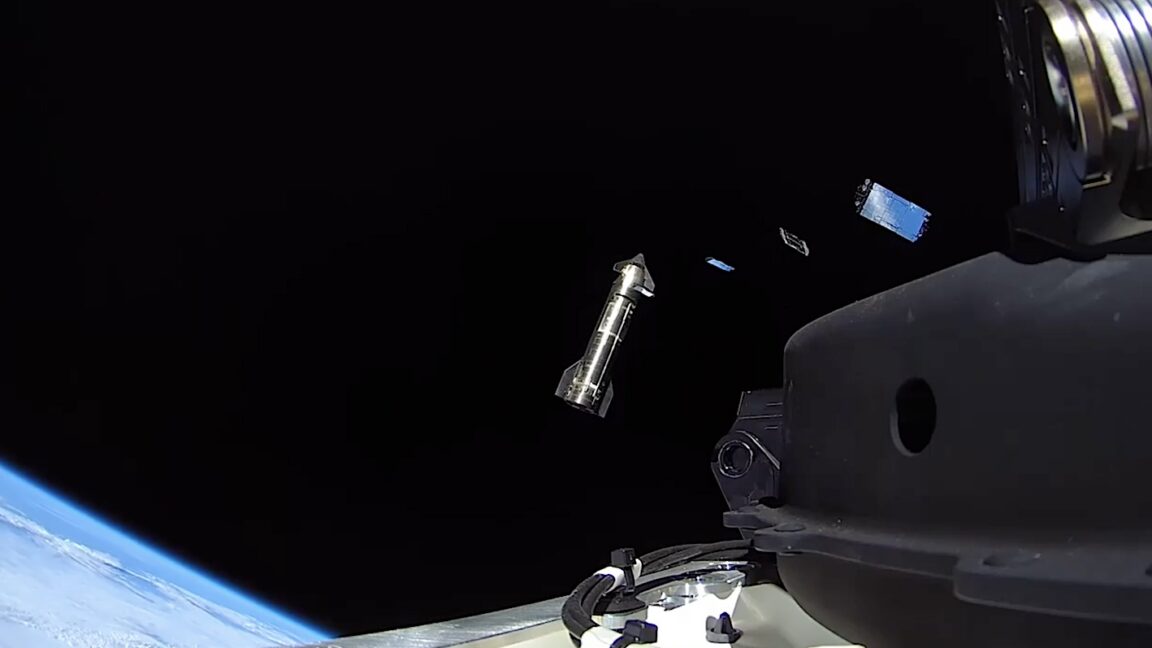
Following several close approaches involving its Starlink satellites, SpaceX has issued a public call for improved coordination in orbital traffic management. The company reported conjunctions of tens to hundreds of meters, describing these distances as "way too close to comfort". These near-misses highlight the limitations of current avoidance maneuvers and the strain on space situational awareness services as mega-constellations expand. The incident adds pressure on regulators like the FCC and international bodies to establish stricter traffic rules and liability frameworks for autonomous spacecraft operations.
FAA Adjusts Risk Policy for Aircraft During Space Debris Re-entries
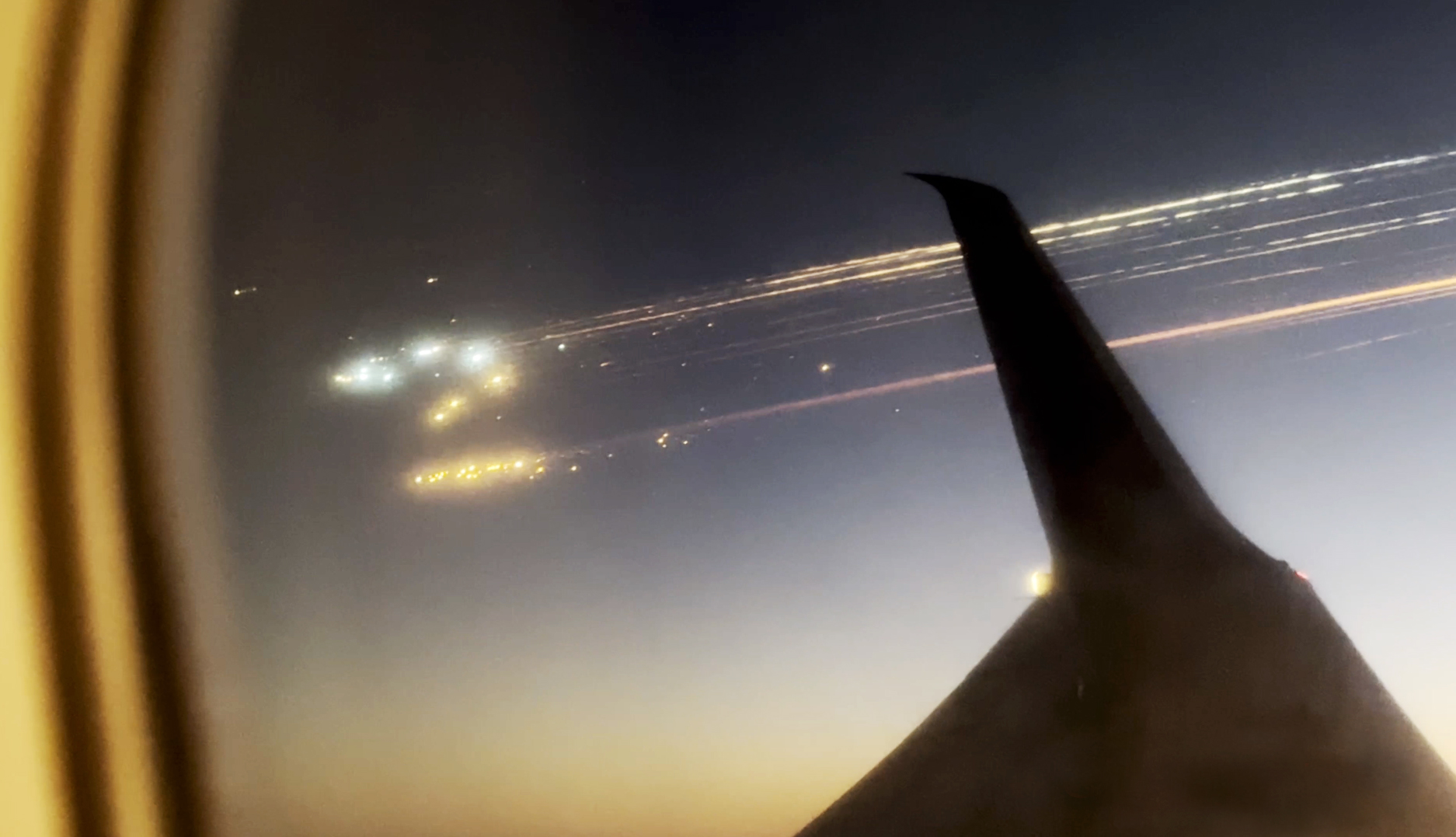
The Federal Aviation Administration (FAA) is implementing a new policy that accepts a higher level of risk to commercial aircraft from falling space debris. This move comes as launch frequencies increase and uncontrolled re-entries become more common, prompting the regulator to eliminate a previous rolling limit intended to mitigate aircraft risk. The policy shift reflects the growing difficulty of balancing rapid launch cadences with traditional safety margins, raising concerns among aviation safety experts about the cumulative risk of debris impacts.
Japan’s SBIR Grants Boost Astroscale and Debris Removal Tech
Japan’s Ministry of Education, Culture, Sports, Science and Technology (MEXT) has allocated additional funding through its Small Business Innovation Research (SBIR) program to support space debris countermeasures. Astroscale received an additional ¥250 million (approx. $1.6 million USD), while BULL received ¥260 million (approx. $1.7 million USD) to advance their respective debris mitigation technologies. This financial support reinforces Japan’s strategic interest in leading the active debris removal market, particularly as Astroscale continues to develop missions like ELSA-M and ADRAS-J. The grants signal a continued governmental push to commercialize space sustainability solutions amidst growing orbital congestion.

Local view
In Japan, local media and stakeholders are actively discussing the future of space traffic management as the number of operational satellites surges. A prominent event, "Sphear #13," scheduled for November 6, will focus on preventing "traffic accidents" in space by 2030, when tens of thousands of satellites are expected to be in orbit. The event highlights the urgency of establishing robust Space Traffic Management (STM) protocols, reflecting domestic concerns about the collision risks posed by mega-constellations. Additionally, Gizmodo Japan recently republished an article highlighting Astroscale’s historic achievement in capturing and removing space debris, underscoring national pride in Japanese-led debris removal capabilities.
Context & numbers
The orbital environment is becoming increasingly congested, with ESA’s 2026 Space Environment Report noting that over 4,000 payloads entered orbit in 2025 alone. Current tracking data indicates there are over 31,000 tracked objects in orbit, though only about 15,790 are active satellites. ESA estimates suggest that typical satellites in busy orbits now require roughly 40 avoidance maneuvers per year, a figure projected to reach 1 million maneuvers annually across all operators by 2027. The FCC continues to enforce its 5-year deorbit rule, requiring operators to dispose of LEO satellites within five years of mission completion, a significant tightening from the previous 25-year standard.
On the radar
- Sphear #13 Event: Scheduled for November 6, 2026, this industry event will focus on "Space Traffic Management" to prevent collisions in the coming decade.
- Meteor 2-7 Tracking: Continued monitoring of the fragments from the October 5 breakup is critical, as experts speculate the cause was a collision, which could imply undetected threats to other aging satellites.
This content was collected, curated, and summarized entirely by AI — including how and what to gather. It may contain inaccuracies. Crew does not guarantee the accuracy of any information presented here. Always verify facts on your own before acting on them. Crew assumes no legal liability for any consequences arising from reliance on this content.
Powered by
