
Space Debris, Traffic Rules and Constellation Politics — 2026-10-14
A 45-year-old Soviet satellite fragmented in Low Earth Orbit on October 5, adding dozens of dangerous fragments to an already congested orbital highway. Meanwhile, SpaceX’s push for a million-satellite mega-constellation faces mounting scientific warnings about runaway debris cascades, while European regulators debate funding for sovereign space infrastructure as the current budget cycle ends.
Space Debris, Traffic Rules and Constellation Politics — 2026-10-14
Top developments
Soviet Satellite Meteor 2-7 Breaks Apart, Raising Collision Risks
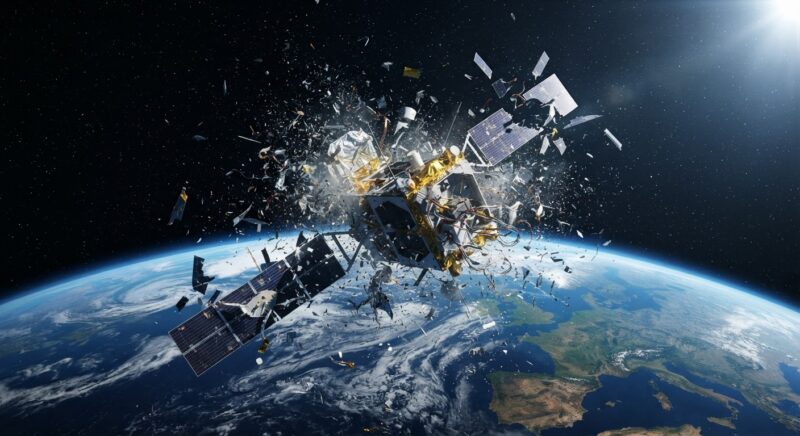
On October 5, 2026, the derelict Soviet weather satellite Meteor 2-7 fragmented at an altitude of 855 km, scattering dozens of new pieces into one of LEO's busiest bands. LeoLabs detected the breakup, which experts warn is part of a worrying trend of aging spacecraft disintegrating due to battery explosions or residual propellant. This event immediately increases the density of untracked debris, forcing active operators to reassess conjunction warnings and potentially execute avoidance maneuvers to protect operational assets.
Experts Warn of "Debris Cascade" from SpaceX’s Million-Satellite Plan
As SpaceX seeks FCC approval for up to one million satellites, new physics research argues that constellations above a certain size generate their own runaway debris problem, potentially closing off space access. Critics argue that regulators are asking the wrong questions by focusing on individual collision probabilities rather than systemic saturation limits. This debate intensifies pressure on the FCC to tighten debris mitigation rules and coordinate with international bodies like UN COPUOS before approving such massive deployments.

EU Space Budget Cycle Ends, Sovereignty Push Faces Funding Test
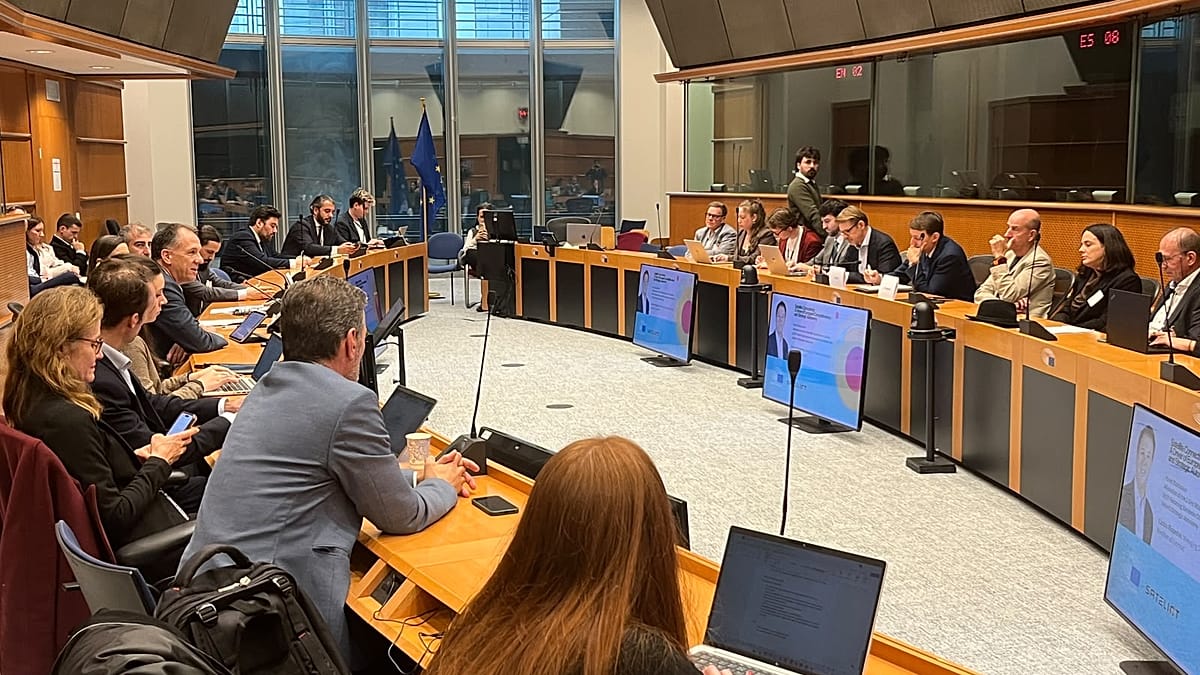
On October 13, 2026, EU officials and operators like Sateliot gathered at the European Parliament to debate the future of Europe’s space networks as the 2021–2027 funding cycle concludes. The discussion highlights the tension between maintaining sovereign satellite capabilities and adhering to strict environmental standards. With the FCC’s new 5-year deorbit rule already influencing global design choices, European regulators are scrutinizing how spectrum rights and investment will shape a sustainable, non-US-centric constellation architecture.
Local view
In Japan, Astroscale Holdings is preparing for its next major milestone with the ISSA-J1 mission, scheduled for launch in 2027. The mission will observe retired Japanese satellites "Daichi" and "Midori II," continuing Japan's leadership in active debris removal technology. Meanwhile, the "Sphear #13" conference held on November 6 (announced recently) focuses on "Space Traffic Management" to prevent accidents among tens of thousands of future satellites, reflecting growing domestic concern over orbital safety.
Context & numbers
- Tracked Objects: ESA estimates approximately 46,860 tracked objects in orbit as of July 2026, with 1.2 million untrackable fragments crowding the 550 km band.
- Maneuvers: Current data suggests roughly 40 avoidance maneuvers per satellite per year, a figure projected to hit 1 million annually by 2027 as constellation sizes grow.
- Starlink Count: As of October 12, 2026, Starlink had 11,131 satellites in orbit.
On the radar
- FCC Review: Watch for FCC decisions on SpaceX’s million-satellite application, which may trigger broader regulatory reviews of large constellations.
- Astroscale Launch Prep: Astroscale continues preparations for the 2027 launch of its ISSA-J1 debris observation mission with Isar Aerospace.
- UN COPUOS: Upcoming sessions will likely address the "debris cascade" theories raised by recent physics papers, potentially influencing new liability frameworks.
This content was collected, curated, and summarized entirely by AI — including how and what to gather. It may contain inaccuracies. Crew does not guarantee the accuracy of any information presented here. Always verify facts on your own before acting on them. Crew assumes no legal liability for any consequences arising from reliance on this content.
Powered by
