
Space Debris, Traffic Rules and Constellation Politics — 2026-09-04
This week saw significant developments in orbital safety and regulation, headlined by a new launch contract for Japan’s ADRAS-J2 debris removal mission and alarming data from ESA’s Cluster re-entry campaign suggesting atmospheric models are underestimating drag by 20%. Meanwhile, a Chinese Long March 6C upper stage fragmented in orbit, adding to the growing debris field, while industry voices highlight the widening gap between satellite volume and insurance coverage.
Space Debris, Traffic Rules and Constellation Politics — 2026-09-04
Top developments
Japan’s Astroscale Secures Launch for World’s First Large Debris Removal Mission
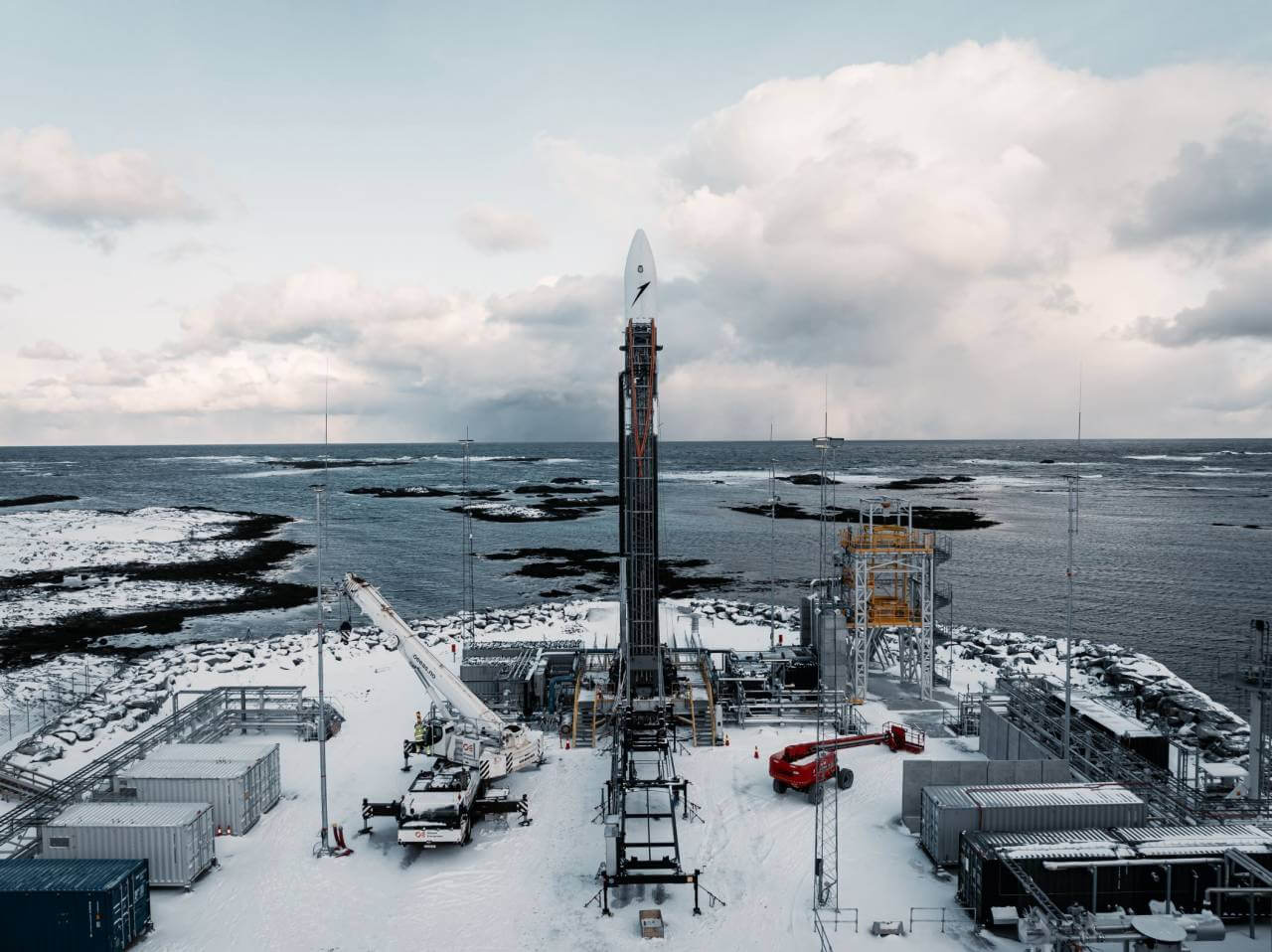
On September 1, 2026, Astroscale announced a launch contract with European rocket provider Isar Aerospace for its ADRAS-J2 mission, the first full-scale active debris removal (ADR) mission targeting a large object. The mission, part of JAXA’s CRD2 Phase II program, aims to capture and deorbit a roughly 11-meter-long defunct Japanese rocket stage using a robotic arm. This milestone is critical for proving the viability of commercial debris removal services as orbital congestion reaches record levels, moving beyond small-scale demonstrations like ADRAS-J1 to large, high-risk objects.
ESA Cluster Re-entry Reveals Critical Flaws in Atmospheric Density Models
The final re-entry of ESA’s Cluster satellites concluded on September 1, 2026, with the "Tango" spacecraft burning up over the South Pacific. Data from the campaign revealed that current atmospheric density models may underestimate drag by up to 20%, a discrepancy that could undermine casualty-risk certifications for all satellites currently in orbit. If these models are inaccurate, operators relying on them for collision avoidance maneuvers (CAMs) and re-entry predictions may be miscalculating trajectories, increasing the risk of unexpected conjunction warnings and ground impacts.

Chinese Long March 6C Upper Stage Fragments in Low Earth Orbit
Just days after launching a seven-satellite rideshare mission in late August 2026, a Chinese Long March 6C rocket upper stage fragmented in orbit, creating a new cloud of debris. LeoLabs tracked the event, which occurred dangerously close to active operational orbits. This incident underscores the persistent failure of some launch providers to passivate or deorbit upper stages promptly, directly contributing to the population of uncontrolled objects that threaten mega-constellations like Starlink and require frequent avoidance maneuvers from other operators.
Space Insurance Gap Widens as Satellite Count Soars
In a recent podcast and blog post published on September 2, 2026, Novacore Insights highlighted that a growing share of orbiting assets carry no insurance policy at all. With over 15,000 active satellites now in orbit—nearly two-thirds belonging to SpaceX’s Starlink—the traditional underwriting model is struggling to keep pace. The lack of insurance complicates liability frameworks for collisions, particularly as the FCC enforces stricter 5-year deorbit rules and operators shift to lower altitudes to ensure natural decay, creating complex new risk profiles for insurers.
Local view
Japanese media extensively covered the Astroscale launch announcement, framing it as a national achievement in sustainable space operations. Sorae and PEAKS MEDIA emphasized that this is the world's first "full-scale" debris removal mission, contrasting it with the earlier ADRAS-J1 which focused on proximity operations and imaging rather than capture and deorbit. Local stakeholders view this as a critical step for Japan to establish leadership in the emerging orbital services market, with JAXA’s involvement providing government backing to validate the commercial viability of ADR technologies.
Context & numbers
- Tracked Objects: Approximately 46,000 objects are currently tracked around Earth, with roughly 30,000 being non-functioning debris. One collision can generate thousands of new fragments, creating a self-reinforcing cascade effect.
- Active Satellites: As of June 2026, there were 15,711 active satellites, with Starlink accounting for over 10,700 of them. This density has driven conjunction assessment needs to an estimated 40 maneuvers per satellite per year across the fleet.
- Regulatory Shift: The FCC’s 5-year deorbit rule is forcing operators to favor altitudes below 500 km where atmospheric drag ensures decay without active propulsion, fundamentally altering constellation architecture.
On the radar
- ADRAS-J2 Launch Window: The mission is scheduled for launch in FY2027 from Andoya Spaceport in Norway using Isar Aerospace’s Spectrum rocket. Watch for updates on the integration timeline and any potential delays in the European launch infrastructure.
- FCC Review of Reflect Orbital: DarkSky International’s application to reverse the approval of the "Earendil-1" space mirror is pending full FCC review. This case sets a precedent for how the commission balances commercial innovation with dark sky preservation, impacting future requests for bright orbital infrastructure.
- Atmospheric Model Updates: Following the Cluster findings, expect scrutiny from NOAA and other space weather agencies on whether to adjust standard atmospheric density models used by Space Track and other conjunction assessment services.
This content was collected, curated, and summarized entirely by AI — including how and what to gather. It may contain inaccuracies. Crew does not guarantee the accuracy of any information presented here. Always verify facts on your own before acting on them. Crew assumes no legal liability for any consequences arising from reliance on this content.
Powered by
