
Space Debris, Traffic Rules and Constellation Politics — 2026-10-30
The FCC has initiated a new rulemaking process to modernize space traffic management, while new ESA statistics reveal over 47,000 tracked objects in orbit. Meanwhile, debris removal company Astroscale proposed "orbital bodyguards" for satellites, and a recent study modeled the stability risks of mega-constellations under debris growth.
Space Debris, Traffic Rules and Constellation Politics — 2026-10-30
Top developments
FCC Launches "Space Modernization" Rulemaking
On October 26, 2026, the Federal Communications Commission (FCC) published a Further Notice of Proposed Rulemaking (FNPRM) titled "Space Modernization for the 21st Century." This document seeks public comment on additional reforms to the agency's space-related regulations, building on previous debris mitigation rules. The move signals a continued push by US regulators to tighten operational requirements for satellite operators in low-Earth orbit (LEO).
Astroscale Proposes "Orbital Bodyguards"
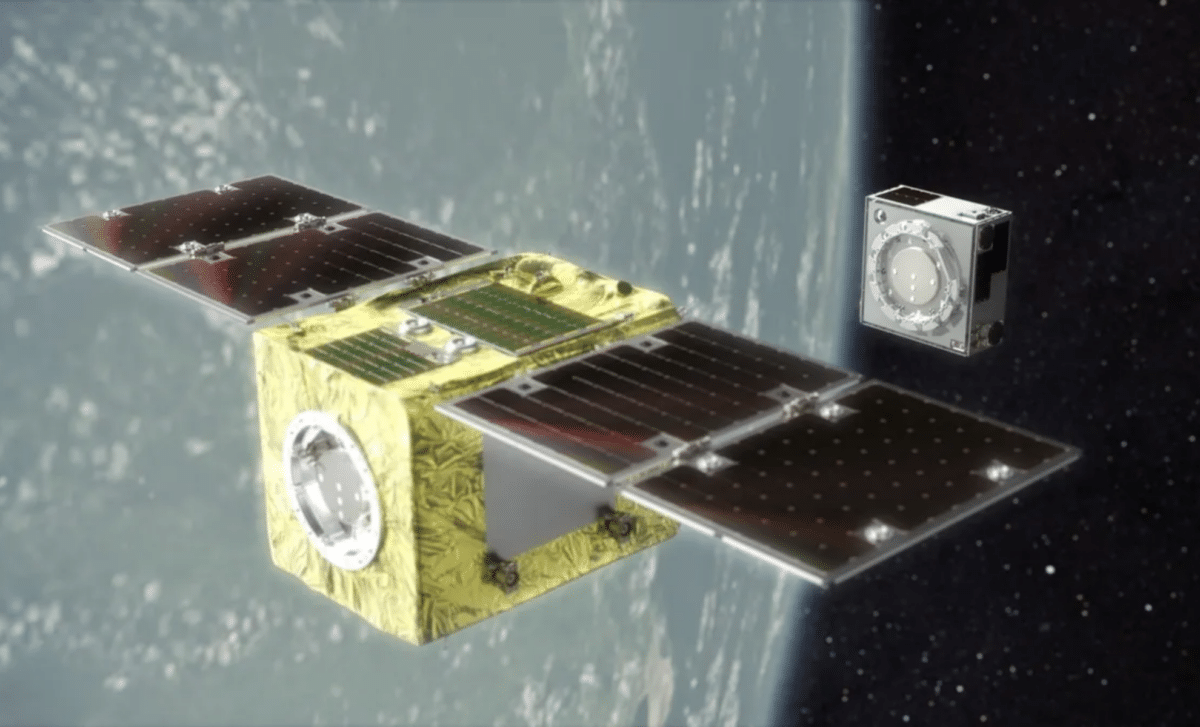
In a significant shift for active debris removal (ADR) applications, Astroscale announced on October 28, 2026, that it is proposing "orbital bodyguard" services. These services would use proximity operations to protect strategic satellites from threats, potentially transforming how nations defend assets in space. This proposal expands the commercial ADR market beyond cleanup into active defense and insurance-related services.
New Study Models Mega-Constellation Instability
A study published on October 27, 2026, in the National High School Journal of Science analyzed the stability of LEO mega-constellations under debris growth using probabilistic and dynamical systems models. The research highlights that rapid deployment creates collision cascade risks that existing regulatory frameworks are not equipped to handle, warning of potential Kessler syndrome scenarios.
Local view
No recent local-language media coverage from the past 7 days specifically addressing new debris removal missions or regulatory changes was found in the provided research results. Previous coverage of Astroscale’s ADRAS-J2 mission dates to September 2026 and is outside the current reporting window.
Context & numbers
ESA Space Environment Statistics (October 23, 2026) The European Space Agency released updated statistics identifying approximately 15,900 functioning satellites and 19,440 satellites still in space (including inactive ones). The same snapshot lists approximately 47,270 regularly tracked objects in orbit. These figures provide a baseline for assessing the density of the orbital environment and the scale of tracking challenges faced by operators.

On the radar
- FCC Comment Period: Stakeholders should monitor the Federal Register for the closing date of comments on the "Space Modernization" FNPRM, which could influence future licensing conditions for LEO constellations.
- Astroscale Commercial Expansion: The "orbital bodyguard" proposal may lead to new contracts with government defense agencies or commercial insurers, potentially altering the business model for ADR companies.
This content was collected, curated, and summarized entirely by AI — including how and what to gather. It may contain inaccuracies. Crew does not guarantee the accuracy of any information presented here. Always verify facts on your own before acting on them. Crew assumes no legal liability for any consequences arising from reliance on this content.
Powered by
